


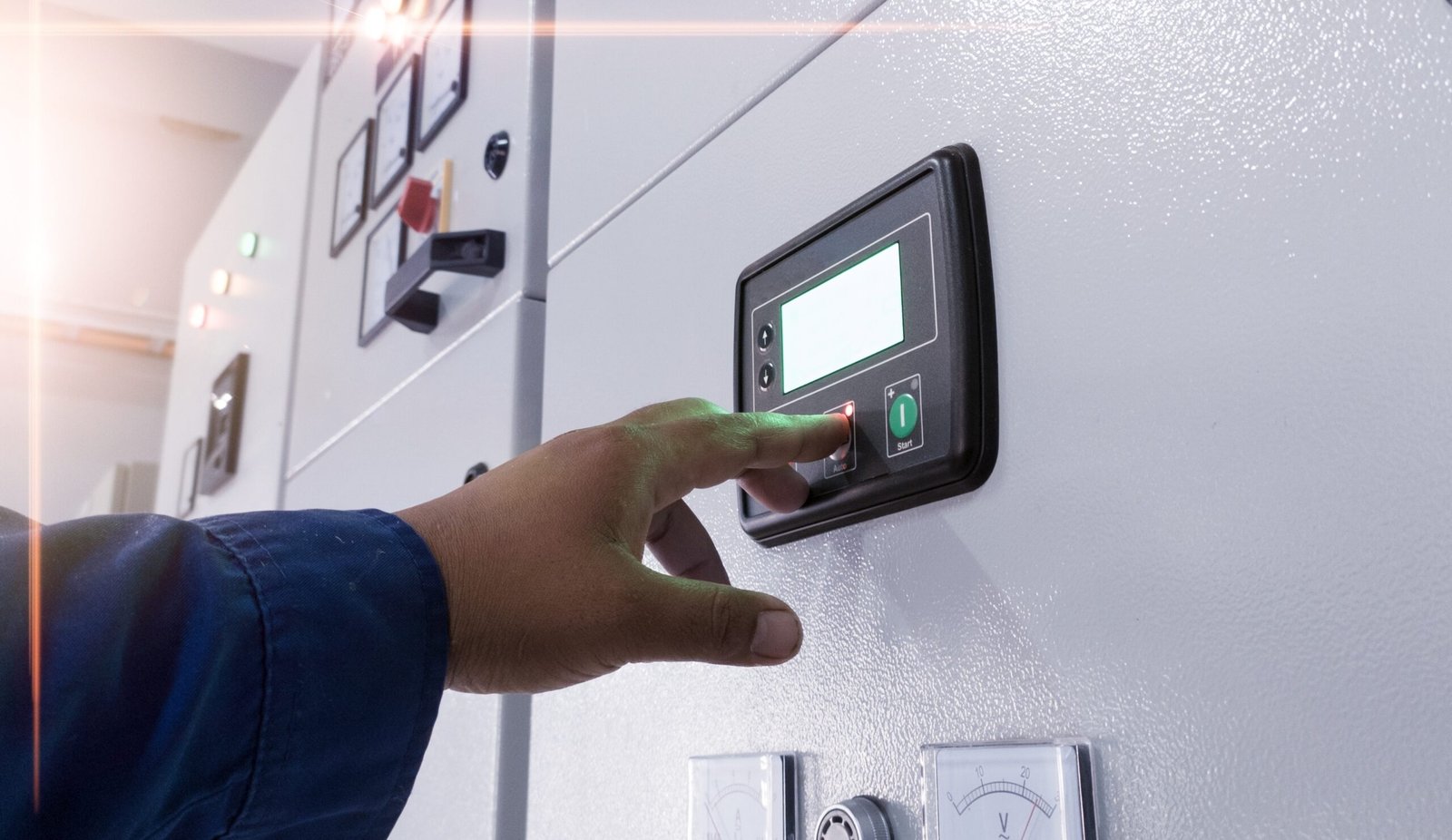
Having a power backup for electricity is very helpful for all households. It keeps the lights on, phones working, and important appliances running during a power outage. Because of this, many homeowners install generators to avoid disruptions to their daily lives.
When planning to install a generator, people usually consider how much a whole-house generator costs and which type is best for their home. But it is just as important to use the generator safely to protect yourself and your house.
Growing interest in home generators highlights the importance of proper generator safety practices before and during use. Proper handling of fuel, good ventilation, and safe electrical connections are essential when using a generator.
Below are five simple safety tips to help reduce risks and keep generator use safe and dependable.
Essential Safety Practices for Home Generators
Place the Backup Generator for Home Use at a Safe Outdoor Distance
It is very important to place the generator in the right place outside your home. Generators produce exhaust gases that contain carbon monoxide. This gas is hard to see and smell, but it can be deadly if it gathers in closed spaces.
Keep the generator at least twenty feet away from your house. This distance helps the exhaust gases spread out safely in the open air. Also, ensure all windows, doors, and vents are away from where the exhaust goes.
Having enough space around the generator also helps it get enough air and stay cool. Placing it in an open space helps it work better during long use. Good placement makes the generator safer and more efficient.
Install Carbon Monoxide Alarms for Early Detection
Carbon monoxide alarms are important safety devices. They can detect small amounts of carbon monoxide and sound an alarm if levels get too high. Put alarms on each floor of your home and near bedrooms.
Many alarms have batteries, so they keep working even during a power failure. This way, residents get early warnings and can open windows or turn on fans to ventilate the house. Having alarms helps keep indoor air safer during power outages and when using a generator.
Along with installing them, it helps to check the alarms regularly to ensure they are working properly. A quick monthly test and timely battery replacement can give everyone in the home greater peace of mind.
Use a Transfer Switch to Prevent Backfeeding
While connecting a generator to your home’s electrical connection, safety is very important. Sometimes, electricity from the generator can flow back into the city’s power lines. This can be risky for utility workers and others nearby.
A transfer switch, installed by a professional, helps control where the electricity goes. It disconnects your home from the city grid before the generator provides power. This way, electricity flows only where it is supposed to go.
Getting professional help to install the transfer switch helps keep your home safe and your system working well for a long time. When choosing a generator, such as a 5000-watt generator for home backup, consider the cost and required installation. A proper electrical setup is key for safety and durability.
Refuel the Generator Only After the Engine Has Cooled
When handling fuel, safety is very important. Generators run on flammable fuel and get very hot when working for a long time. Allow the engine to cool down for a few minutes before adding fuel.
This prevents fuel vapors from catching fire from hot engine parts. Always use the right containers for fuel and store them away from your living spaces. Good fuel habits help keep everyone safe and help your generator last longer.
Keep the Generator Dry During Operation
Outdoor generators can be affected by weather, including rain, snow, and humidity. It is best to place the generator on a dry, flat surface. You can use a canopy or cover to protect it from rain, but make sure the cover still allows air to circulate.
Keeping the generator dry helps prevent electrical problems and keeps it running smoothly for a long time. Maintaining a dry environment for the generator makes it safer and more reliable.
Conclusion
Having backup power at home is very useful. It keeps your house lights on, appliances running, and charges electronics when the power is out. Many homeowners consider the cost of a whole-house generator and plan for a reliable power supply.
Safety is just as important as selecting the correct generator. The location of the generator, ventilation, electrical connections, and fuel handling are among the safety considerations. With safety measures properly implemented, the generator will perform well while ensuring safety for added peace of mind.