


The Dawn of AI in 3D Modeling
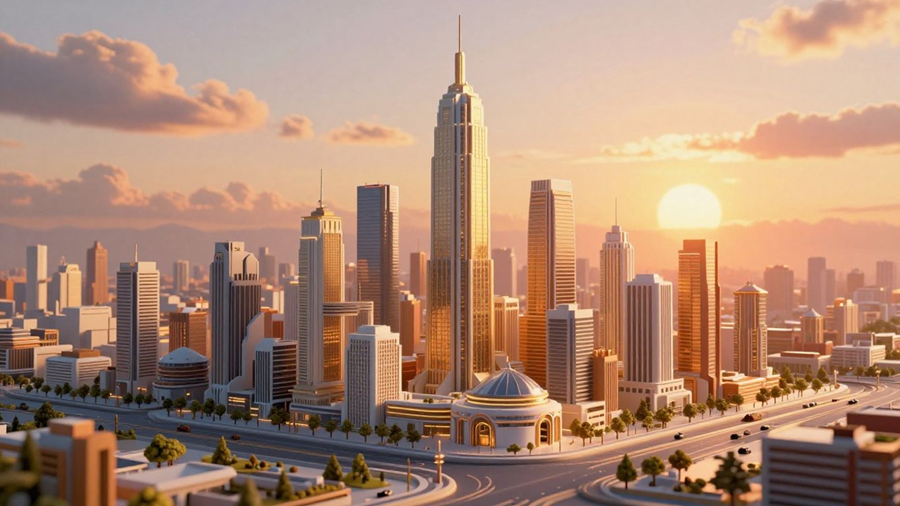
Artificial intelligence is changing how we make 3D models. It’s not just a new tool; it’s a whole new way of thinking about design. Before, making 3D models took a lot of time and skill. Now, AI helps speed things up and makes it easier for more people to get involved. This shift means we can create more complex and detailed models than ever before.
3D AI Studio is at the forefront of this change. It uses smart technology to help creators bring their ideas to life faster. Think of it as having a super-smart assistant that handles the tricky parts of 3D design. This allows artists and designers to focus on the creative vision, rather than getting bogged down in technical details.
This new era of AI in 3D modeling is exciting. It’s opening doors to new styles and possibilities that were hard to imagine just a few years ago. The way we approach 3D creation is fundamentally changing, and 3D AI Studio is a big part of that evolution.
Transforming Traditional Workflows
Old methods for 3D modeling often involved many steps and required specialized knowledge. Tasks like cleaning up models or adding textures could take days. This slowed down the whole process, from initial idea to final product. Many creative projects were limited by the time and effort needed for these technical jobs.
3D AI Studio changes this by automating many of these time-consuming tasks. For instance, AI can now handle complex processes like retopology and texturing with just a few clicks. This means designers can move from a rough concept to a polished model much faster. It’s a big step away from the traditional, manual way of doing things.
The integration of AI into 3D design tools is making the entire creation pipeline more efficient. This allows for quicker iterations and more ambitious projects.
This transformation means that projects that once seemed too difficult or time-consuming are now within reach. It’s about making the creation process smoother and more productive for everyone involved.
Unlocking New Creative Possibilities
With AI handling the more technical aspects of 3D modeling, creators are free to explore new artistic directions. The speed and ease offered by tools like 3D AI Studio allow for more experimentation. Designers can try out different ideas, textures, and forms without the usual time constraints.
This freedom leads to more innovative and unique 3D content. Imagine creating intricate character designs or complex environmental scenes that were previously too difficult to produce. AI helps break down those barriers, letting imagination take the lead. It’s about pushing the boundaries of what’s possible in digital art and design.
AI-powered tools are not just about making things faster; they are about enabling new forms of expression. This allows for a richer and more diverse landscape of 3D creations. The future of 3D modeling is about combining human creativity with the power of artificial intelligence.
Key Features Empowering Creators
AI Model Segmentation for Precision Editing
This feature breaks down complex 3D models into manageable parts. Think of it like having a digital toolkit that can automatically identify and separate different components of a model. This makes detailed adjustments much simpler. AI model segmentation allows creators to focus on specific areas without affecting the rest of the model. It’s a big step up from manually selecting every single polygon.
AI Retopology for Flawless Models
Getting a clean, usable mesh from generated 3D models can be tough. AI retopology steps in to fix that. It rebuilds the model’s surface with a better structure, making it suitable for animation and real-time applications. This process is vital for creating game-ready assets. Without good retopology, models can be difficult to work with.
AI Texturing for Realistic Detail
Adding textures can be time-consuming. AI texturing automates much of this process. It can generate realistic surface details based on simple inputs, giving models a lifelike appearance. This means creators can achieve high-quality visuals faster. The quality of AI texturing is improving rapidly.
AI Rigging for Effortless Animation
Animating 3D models often requires complex rigging. AI rigging simplifies this by automatically creating a skeleton and controls for a model. This allows for easier posing and animation. AI rigging significantly speeds up the animation pipeline. It makes bringing characters and objects to life much more accessible.
Accelerating the Design Process
Rapid Prototyping with 3D AI Studio
Creating prototypes used to take ages. Now, with tools like 3D AI Studio, designers can whip up initial models much faster. This means more ideas get tested, and the best ones move forward quicker. It’s a big change from the old days of waiting weeks for a single version.
This speed allows for more experimentation. Designers can try out different looks and functions without a huge time commitment. This rapid iteration is key to innovation. It helps catch problems early and refine concepts before full production begins.
Think about it: instead of one or two prototypes a month, you might get five or ten. That’s a huge jump in how much you can learn and improve. The whole design cycle gets a serious boost.
Automating Repetitive Tasks
Let’s be honest, some parts of 3D modeling are just plain boring. Stuff like cleaning up geometry or making sure all the polygons are in the right place can eat up so much time. AI is stepping in to handle a lot of that grunt work.
Tools are now smart enough to fix common issues automatically. This frees up designers to focus on the creative parts, the stuff that really needs a human touch. It’s about working smarter, not just harder.
This automation isn’t just about saving time; it’s about making the whole process less of a chore. When the tedious bits are handled, people can actually enjoy the creative process more.
Streamlining Workflows for Efficiency
Putting it all together, 3D AI Studio and similar tech really streamline how things get done. By speeding up prototyping and automating tasks, the entire workflow becomes much smoother. This efficiency boost is a game-changer for teams and individuals alike.
It means projects can be completed faster, and with fewer resources. This makes 3D creation more accessible and practical for a wider range of applications. The impact on project timelines and budgets can be significant.
Ultimately, streamlining workflows with AI means creators can spend less time on the mechanics of modeling and more time on bringing their unique visions to life. It’s about making the journey from idea to finished product as direct as possible.
The Impact of AI on 3D Rendering
Enhancing Realism and Immersion
Artificial intelligence is really changing how 3D scenes look. It’s not just about making things faster; it’s about making them feel more real. AI algorithms can look at a scene and figure out the best way to light it, add textures, and even place objects to make it feel like you could step right into it. This means that the final rendering is more believable, pulling viewers into the digital world.
AI-driven tools can analyze complex lighting scenarios and simulate how light would behave in the real world, leading to more convincing shadows and reflections. This level of detail was once incredibly time-consuming to achieve manually. Now, AI helps speed up this process, making photorealistic results more accessible for a wider range of projects. The impact of AI on 3D rendering is profound, pushing the boundaries of what’s visually possible.
Faster Rendering Speeds
One of the biggest wins with AI in 3D rendering is speed. Think about how long it used to take to render a single frame of an animation or a complex architectural visualization. AI can cut that time down significantly. It does this by being smarter about how it calculates all the light, shadows, and materials. Instead of brute-forcing every calculation, AI can predict and optimize, making the whole process much quicker.
This speed boost is a game-changer for creators. It means they can iterate on designs more quickly, try out different ideas without waiting hours for a preview, and meet tighter deadlines. For studios, this translates directly into cost savings and increased output. The efficiency gained from AI in rendering is a major reason why it’s becoming so popular.
AI-Driven Scene Composition
Beyond just making things look good and fast, AI is also helping with the creative side of putting a scene together. It can suggest camera angles, help balance the composition of elements within a scene, and even assist in placing objects in a way that feels natural or aesthetically pleasing. This is like having a virtual assistant that understands visual design principles.
This capability is particularly useful for less experienced users who might not have a strong background in art or cinematography. AI can guide them towards better compositions, helping them create more impactful visuals. It’s about making sophisticated scene setup more intuitive and less of a hurdle. The overall effect is a more polished final product, achieved with less effort, thanks to AI’s intelligent assistance in scene composition.
Accessibility and Ease of Use
Intuitive Interfaces for All Skill Levels
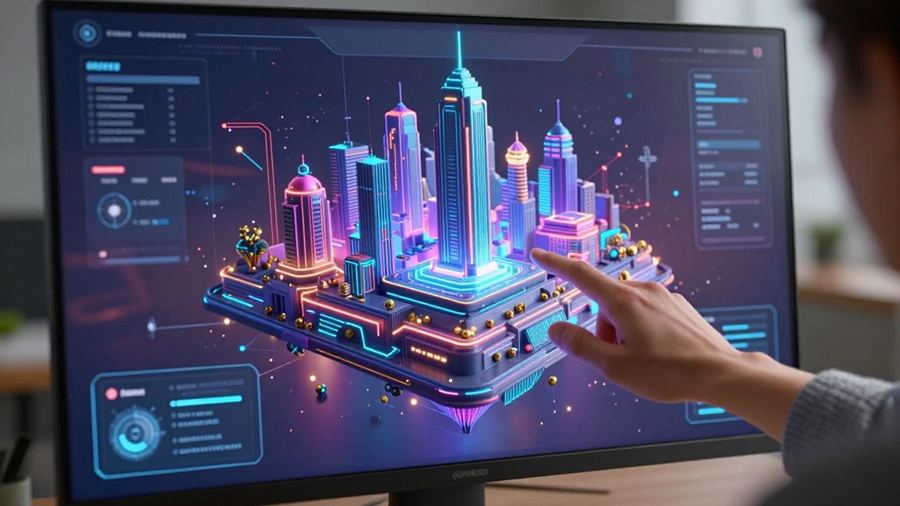
Forget those complicated programs that take ages to learn. 3D AI Studio is built with everyone in mind. The interface is clean and straightforward, making it simple to jump right in, whether you’re a seasoned pro or just starting out. This focus on user-friendliness means less time wrestling with software and more time actually creating. It’s about making powerful tools available without a steep learning curve.
Generating Models from Text and Images
Imagine describing your idea and seeing it come to life in 3D. With 3D AI Studio, that’s not science fiction anymore. You can generate models just by typing in a description or even by uploading an image. This feature really lowers the barrier to entry for 3D creation, letting anyone with an idea bring it into the third dimension. It’s a game-changer for quick concepting.
Lowering the Barrier to Entry for 3D Creation
Historically, getting into 3D modeling meant investing a lot of time and money into learning complex software and techniques. 3D AI Studio changes that narrative. By simplifying the process and offering intuitive tools, it opens up the world of 3D to a much wider audience. This democratization means more people can experiment, innovate, and contribute to the growing 3D space. It’s about making 3D accessible to everyone, not just a select few.
The Future of 3D Content Creation
The Next Generation of 3D Rendering Design
The landscape of 3D content is shifting. We’re moving beyond the limitations of traditional tools, and AI is at the heart of this change. Think about it: what used to take days of complex work can now be initiated in minutes. This isn’t just about making things faster; it’s about fundamentally rethinking how we approach 3D. The next generation of 3D rendering design will be defined by this new era of AI-assisted creation, making sophisticated outputs accessible to more people than ever before.
Expanding the Creator Economy
With tools like 3D AI Studio, the barrier to entry for 3D creation is dropping significantly. This means more individuals and small teams can now participate in the creation of 3D assets. This expansion directly fuels the creator economy, opening up new avenues for income and innovation. Imagine a world where anyone with an idea can bring it to life in three dimensions, contributing to a richer and more diverse digital world. This democratization of 3D tools is a game-changer.
Collaboration Between Human Creativity and AI
The future isn’t about AI replacing human artists; it’s about a powerful partnership. AI handles the repetitive, time-consuming tasks, freeing up creators to focus on the artistic vision and conceptualization. This synergy allows for a level of detail and complexity previously unattainable for many. The true potential lies in combining human ingenuity with the computational power of AI, leading to creations that are both innovative and technically sound. This collaborative approach is what will shape the future of 3D content.
The Future is Now
So, what does all this mean for the world of 3D creation? Basically, tools like 3D AI Studio are really shaking things up. They’re making it easier and faster for anyone to jump in and start making 3D models, which is pretty wild. It feels like we’re just at the beginning of this AI and 3D modeling thing, and it’s going to be interesting to see where it all goes next. It’s definitely changing how we think about making 3D stuff, opening doors that weren’t really there before.