


But what does that actually look like in practice? And how do these services fit into everyday routines, homes, and communities? Let’s break it down in a simple, human way.
Understanding What “High Care” Really Means in the NDIS
When people hear the term “high care,” it can sound clinical or even intimidating. In reality, it simply refers to a higher level of support for individuals who need regular or complex assistance due to disability, health conditions, or mobility challenges.
This might include help with personal care (like showering, dressing, or eating), medical-related support (such as medication management or monitoring), or assistance with communication and daily decision-making. It can also involve support workers being present for longer periods or across multiple parts of the day.
For example, imagine an older adult living with a progressive neurological condition. They may need help getting out of bed safely in the morning, support with preparing meals, and assistance with mobility throughout the day. High care services ensure these needs are met consistently and respectfully, without forcing the person into a hospital or institutional setting.
Or think of a young adult with a significant physical disability living at home with family. High care support might involve trained support workers coming in each morning to help with personal care and then returning in the evening to assist with bedtime routines. This allows the person to remain in their community while still receiving the level of care they need.
The NDIS funds these supports based on individual goals and assessed needs, not a one-size-fits-all model. That’s what makes it flexible and person-centred.
What High Care Support Looks Like in Real Life
High care services are not just about medical tasks—they’re about enabling everyday life to continue with dignity and independence as much as possible.
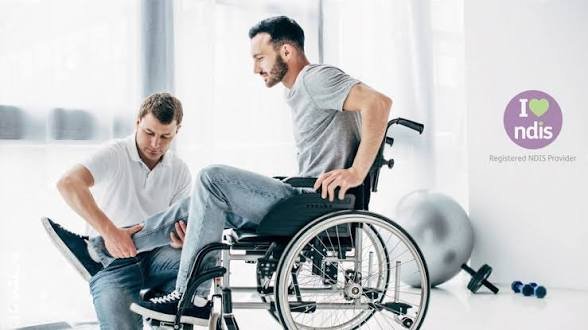
In a home setting, this could mean a support worker helping someone prepare breakfast safely if they have limited hand movement. It might involve assistance with transferring from a bed to a wheelchair using specialised equipment. In some cases, it also includes overnight support for people who need monitoring or help during the night.
Outside the home, high care can extend into community participation. For instance, a person might be supported to attend a job training program, go grocery shopping, or even travel to a social event. The support worker isn’t there to take over, but to make participation possible.
To make this more relatable, consider how support roles exist in other industries. In hospitals, nurses and care staff work together to ensure patients receive continuous monitoring and assistance. In aviation, cabin crew are trained to support passengers with special needs throughout a flight. Even in hospitality, staff often make adjustments for guests with accessibility requirements. High care services under the NDIS operate in a similar spirit—supporting people so they can safely participate in daily life.
Importantly, these services are tailored. Two people with similar diagnoses might have completely different support plans depending on their lifestyle, goals, and personal preferences.
How Participants Access and Navigate High Care Supports
Accessing high care support under the NDIS starts with an approved plan. This plan outlines what supports are funded and why, based on a participant’s functional needs and goals.
Once approved, participants (or their nominees or carers) can choose providers who deliver the right level of care. This flexibility is important because it allows people to select services that feel comfortable and aligned with their routines.
Now, here’s where things can get a bit more structured: providers usually have trained support workers with experience in complex care needs. They may also coordinate with allied health professionals such as occupational therapists or physiotherapists to ensure supports are delivered safely and effectively.
For example, someone recovering from a serious injury might have a plan that includes physiotherapy sessions, daily mobility support, and assistance with household tasks. Over time, as their condition improves, their level of support may change.
This is where understanding In-Home Complex Care Support becomes especially important for participants and families. It’s not just about receiving help—it’s about understanding how that help is structured, funded, and adjusted over time so it continues to meet real-life needs.
A helpful way to think about it is like a personalized service ecosystem. Just as businesses rely on different teams—customer service, logistics, operations—to function smoothly, NDIS participants often rely on a coordinated group of supporters working together. When done well, it feels seamless rather than fragmented.
Building Confidence, Independence, and Everyday Stability
One of the most important goals of high care support is not just safety, but quality of life. Even when someone requires significant assistance, they still deserve autonomy, routine, and connection.
That might look like a support worker helping someone prepare their own coffee in the morning rather than doing everything for them. Or it could mean supporting a person to attend a weekly community group where they can build friendships and social confidence.
In workplace settings, we often talk about “reasonable adjustments” that allow employees to perform their roles effectively. High care support operates on a similar principle—removing barriers so people can participate fully in life, whether that’s at home, in the community, or in education and employment.
Families also benefit significantly from structured support. Caring for a loved one with high support needs can be emotionally and physically demanding. Having trained professionals involved often brings relief, stability, and reassurance that care is being delivered safely and consistently.
Over time, many participants find that the right support helps them achieve goals they didn’t think were possible—whether that’s learning new skills, increasing independence, or simply having more control over their daily routine.
High care services under the NDIS are ultimately about more than assistance—they’re about creating a framework where people can live with dignity, safety, and choice. While the level of support may be higher, the intention is always the same: to empower individuals to live life in a way that feels meaningful to them.
And when everything is coordinated well, those supports become less about “care” in a clinical sense and more about everyday living made possible.