


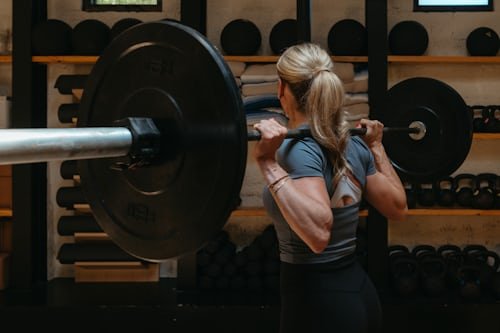
Walk into almost any gym, yoga studio, or even a busy public park in the early morning, and you’ll notice something consistent: activewear has become part of everyday life, not just something reserved for workouts. Among all the pieces people wear, sports bras quietly do some of the most important work. They’re not just about appearance—they directly affect how you move, breathe, and feel during physical activity.
And yet, many people still underestimate how much difference the right sports bra can make. It’s one of those things you don’t really think about until something feels off—like a strap digging in during a run, or a band that shifts every time you stretch. When it’s right, though, you barely notice it at all, and that’s exactly the point.
Let’s break down what makes a great sports bra and why comfort, support, and performance are all connected in ways that matter far beyond the gym floor.
Comfort: What Your Body Notices First
Comfort is usually the first thing you feel when you put on a sports bra, even before you start moving. It’s also the first thing your body complains about if something isn’t right.
A comfortable sports bra starts with fabric. Most modern designs use moisture-wicking materials, which simply means the fabric pulls sweat away from your skin instead of trapping it. That might sound minor, but think about a humid commute, a crowded fitness class, or even a quick workout before heading to work. Without breathable fabric, things can get sticky and distracting fast.
Then there’s the fit. A good sports bra should feel secure without squeezing too tightly. If you’ve ever finished a workout and immediately rushed to take your bra off just to breathe again, that’s a sign it’s not the right fit. On the other hand, if you’re constantly adjusting it during movement, it’s likely too loose.
Comfort also shows up in small design details. Seam placement, tag-free interiors, and soft edging all reduce friction. These are the kinds of things you don’t notice when they’re done well—but absolutely notice when they’re not.
To put it in perspective, think of healthcare workers or retail staff who are on their feet for long shifts. Many of them rely on sports bras not just for exercise but for all-day wear because they offer a balance of comfort and flexibility. When your day involves constant movement, comfort becomes less about luxury and more about functionality.
Support: Built for Movement, Not Restriction
Support is where sports bras become more than just clothing—they become a piece of functional design. At its core, support is about controlling movement so your body can move naturally without discomfort or strain.
Different activities require different levels of support. Low-impact activities like stretching, walking, or Pilates usually only need light support. These bras are softer and more flexible, allowing a full range of motion.
High-impact activities like running, aerobics, or intense circuit training require more structured support. In these cases, the goal is to minimize bounce and reduce strain on the body. This is especially important during repetitive movement, where even small amounts of instability can become uncomfortable over time.
There are two main types of support structures used in sports bras. Compression bras hold everything close to the body, reducing movement by gently pressing against it. Encapsulation bras, on the other hand, support each side individually, similar to how a traditional bra works. Many modern designs combine both approaches for balanced support.
To make it more relatable, imagine a dance instructor leading multiple classes a day. In a morning yoga session, they might prefer light support for flexibility. But by the afternoon, during a high-energy dance workout, they’ll switch to something more structured. The same person, the same day—just different demands on the body.
Support isn’t only important in fitness environments either. Warehouse workers, delivery riders, and even chefs often benefit from supportive activewear because their jobs involve long hours of standing, lifting, and moving. In those cases, a well-designed sports bra can reduce fatigue and help maintain posture throughout the day.
Performance and Everyday Versatility: Beyond the Gym Floor
Performance is where everything comes together—comfort, support, and design all working in harmony. But performance isn’t just about athletic output. It’s about how a piece of clothing fits into your life as a whole.
A well-performing sports bra adapts to different situations. You might wear it during a morning run, keep it on while grabbing coffee, and then continue your day without needing to change. That kind of versatility has become increasingly important in modern lifestyles where people are constantly transitioning between activities.
Breathability plays a big role in performance. Features like mesh panels or lightweight fabrics allow air to circulate, helping regulate body temperature. If you’ve ever finished a workout feeling overheated and uncomfortable, you already understand why airflow matters.
Flexibility is another key factor. A good sports bra moves with your body instead of resisting it. Whether you’re stretching in a yoga class, reaching for something on a high shelf, or cycling through a workout routine, your clothing should support movement—not interrupt it.
Style also quietly contributes to performance in a psychological way. When you feel good in what you’re wearing, you’re more likely to stay consistent with physical activity. It’s not about vanity—it’s about motivation. Something that looks and feels good can make it easier to show up again the next day.
This is where modern activewear really shines, especially with designs like activewear sports bras. These pieces are designed not just for workouts but for real life. You’ll see them paired with leggings in yoga studios, layered under oversized shirts for casual outings, or worn during travel days when comfort is the top priority. That kind of adaptability is what makes them so widely used across different lifestyles and industries.
In fields like fitness training, hospitality, and even content creation, versatility matters. Professionals are often moving between physical activity, client interaction, and long hours on their feet. Clothing that supports all those transitions without needing constant changes becomes more than just convenient—it becomes essential.
Finding the Right Fit for Your Lifestyle
Choosing a sports bra isn’t just about picking the “best” one on the rack—it’s about understanding your own routine. What works for one person might not work for another, and that’s completely normal.
For example, someone training for long-distance running will prioritize high support and durability. A yoga enthusiast will likely focus more on softness and flexibility. Meanwhile, someone balancing workouts with a busy schedule might look for something that transitions easily into daily wear.
It’s also worth remembering that bodies change over time. Fitness levels, weight, and even posture can affect how a sports bra fits. A size that felt perfect a year ago might not feel the same today, and adjusting accordingly is part of maintaining comfort and support.
Many people find it helpful to own a small rotation of sports bras rather than relying on just one. Having options for high-impact workouts, low-impact movement, and everyday wear makes it easier to match your outfit to your activity without overthinking it.
At the end of the day, the right sports bra should make movement feel easier, not more complicated. It should support you quietly in the background while you focus on your workout, your workday, or simply your life in motion.
When comfort, support, and performance come together properly, you stop thinking about what you’re wearing—and start focusing on what you can do.