


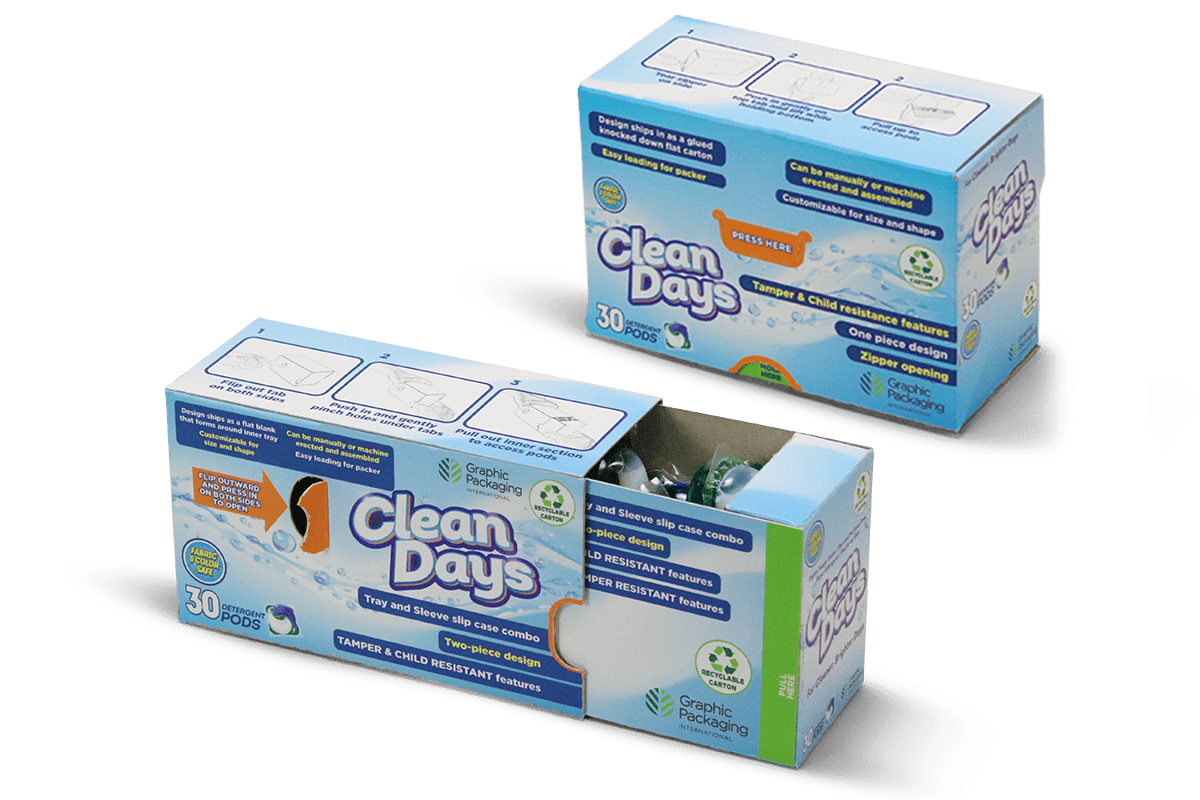
Products that may be harmful if opened by children need packaging that does more than look good on a shelf. They need packaging that supports safety, compliance, freshness, convenience, and brand trust. Whether your company sells supplements, household products, cannabis or hemp goods where legally permitted, nutraceuticals, or other high-risk items, choosing the right child resistant packaging is a critical part of product development.
Child resistant packaging is designed to make it difficult for young children to open while still allowing adults to access the product properly. For growing brands, the challenge is finding packaging that meets safety expectations without sacrificing usability or visual appeal. The package still needs to protect the product, communicate your brand, fit your operations, and create a positive customer experience.
ePac helps brands create flexible packaging solutions that support safety-focused product lines. With custom printing, multiple pouch formats, and options for resealable and specialty packaging, ePac makes it easier for companies to build packaging that feels professional, functional, and aligned with the needs of regulated or sensitive products.
Understanding ASTM and CPSC Requirements for CR Compliance
Before choosing a child resistant format, brands need to understand the role of compliance. In the United States, child resistant packaging requirements are commonly associated with standards and regulations involving the Consumer Product Safety Commission, often called the CPSC, and testing standards such as ASTM D3475. These guidelines help define whether a package can be considered child resistant based on testing, performance, and intended product use.
It is important to understand that “child resistant” does not mean “child proof.” No package can guarantee that a child will never open it. Instead, compliant child resistant packaging is intended to make access significantly more difficult for children under normal conditions while still being usable by adults.
Brands should work with packaging partners and legal or compliance professionals to confirm which rules apply to their specific product category. Requirements may vary depending on what is inside the package, where the product is sold, and whether state-level or industry-specific rules apply. For example, products such as certain medications, nicotine products, cannabis products, household chemicals, and supplements may face different packaging expectations.
Testing is another key consideration. A package may look secure, but that does not automatically mean it meets child resistant standards. The closure, material, pouch structure, and opening mechanism all matter. Brands should ask whether the packaging format has been tested, whether documentation is available, and whether the selected design is appropriate for the product’s risk profile.
Clear labeling and consumer instructions can also support safe use. If adults cannot understand how to open and reclose the package correctly, the child resistant feature may not work as intended after first use. That is why packaging design should consider both compliance and real-world behavior.
Pouch Formats, Closures, and Materials That Protect High-Risk Products
Once compliance needs are understood, the next step is choosing the right pouch format. Flexible packaging can be a strong option for high-risk products because it is lightweight, space-efficient, customizable, and available with specialized features. Stand-up pouches, lay-flat pouches, and specialty formats can all be designed around product size, serving count, shelf presence, and consumer convenience.
Materials matter because high-risk products often need protection from moisture, oxygen, light, odor transfer, or contamination. Many brands consider mylar bags because they can provide strong barrier protection and a durable feel. Depending on the product, the package may need to preserve freshness, prevent leakage, block light exposure, or maintain potency over time.
Closures are especially important for child resistant packaging. A resealable child resistant zipper or closure helps keep the package secure after the first opening. This is critical for products that are consumed over multiple uses. If the package cannot be reclosed properly, the product may become easier for children to access, and freshness may also suffer.
Brands that want safety and strong shelf appeal may choose custom resealable bags with logo to combine secure functionality with branded design. Custom printing allows companies to include usage instructions, warnings, product details, compliance information, and brand storytelling while maintaining a polished retail look.
The right packaging should also fit your production and fulfillment process. Consider how the product will be filled, sealed, shipped, stored, and displayed. A pouch that works well for a small batch may need to scale as demand grows. Working with a flexible packaging provider can help ensure that the chosen format supports both current operations and future growth.
Brand experience should not be overlooked. Adult consumers should be able to open the package without frustration, reclose it with confidence, and understand how to store it safely. A package that is too difficult for adults to use may lead to improper closure, damaged packaging, or poor repeat purchase behavior. The best child resistant packaging balances security with practical usability.
Choosing the right child resistant packaging for your product line requires careful planning. Compliance, testing, materials, closures, printing, and consumer use all need to work together. For brands selling high-risk products, packaging is not just a container. It is a safety feature, a compliance tool, and a brand touchpoint.
With the right flexible pouch format, durable materials, and child resistant closure system, companies can protect consumers, support responsible product use, and present their products with confidence. ePac gives brands the tools to create packaging that meets serious functional needs while still helping products stand out in a competitive marketplace.