


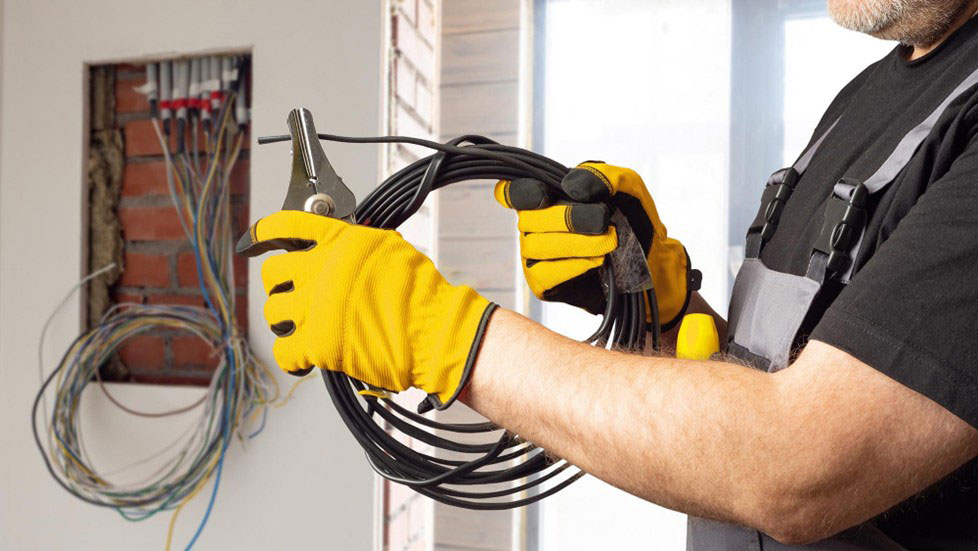
Most people only think about wiring when something goes properly wrong. A light starts flickering, a switch feels warm, or a fuse trips just when the kettle is on and the toast is nearly done. Annoying? Absolutely. A warning sign? Quite possibly.
Old or dodgy wiring is one of those household issues that tends to hide in plain sight. It sits behind plaster, above ceilings, and under floorboards, quietly doing its job until one day it really, really does not. Across Australia, older homes in suburbs with post-war builds, weathered coastal properties, and renovated places with a few too many “creative” fixes can be especially prone to this sort of trouble.
If a home has been around for decades, the wiring may be keeping up out of sheer determination rather than safety. That is not the kind of surprise anyone wants.
1. Circuit breakers keep tripping
A breaker tripping now and then is not always a disaster. Sometimes a circuit is simply carrying too much at once. A hairdryer, heater, toaster, and vacuum all fighting for space can make any board throw a wobbly.
But if it happens often, or with very little load, that is worth paying attention to. Repeated tripping can point to wiring that is worn, overloaded, or damaged somewhere out of sight. In many older Australian homes, circuits were never designed for the number of appliances people rely on now. Back when the wiring was put in, no one was worrying about air fryers, gaming setups, and three phones charging at once.
If the breaker keeps shutting things down, it is trying to say something. Best not to ignore it.
2. Lights flicker or dim without reason
A bit of flicker during a storm or when a major appliance kicks in is one thing. Random dimming, buzzing, or lights that seem to pulse for no clear reason is another story.
This can happen when connections are loose, circuits are strained, or wiring has degraded over time. It is easy to shrug off at first. People often blame the globe, the lamp, or the power company. Fair enough. That is usually the simplest answer. Still, if the problem keeps cropping up, the wiring may be sending up a red flag.
In homes with older fittings, this can show up in strange ways. One room acts up, another behaves fine, and the whole thing feels a bit haunted. Not ideal, and definitely not something to leave simmering.
3. Power points feel warm or look discoloured
This one deserves attention straight away. A power point should not feel warm to the touch under normal use. Nor should it be brown around the edges, cracked, loose, or showing scorch marks.
Heat around outlets often points to poor wiring, worn terminals, or internal arcing. That is the sort of problem that can turn nasty quickly. In some cases, the issue may start small, just a faint warmth or a faint smell near the socket. Before long, it can become a genuine fire risk.
If a socket looks tired, it probably is. If it looks like it has been arguing with electricity and lost, that is an even better reason to get it checked.
4. You notice a burning smell or strange odours
A burning smell near walls, switches, or outlets is not something to brush off as dust or old carpet. Sometimes the scent is sharp and plastic-like. Sometimes it is faint, almost easy to miss. Either way, it can point to overheating wires or melting insulation.
Wiring that has been damaged by age, pests, moisture, or poor connections can produce smells long before visible signs appear. Homes in humid coastal areas or properties with roof leaks can be more vulnerable, as moisture and electricity are never a charming pairing.
If there is a smell and no obvious source, treat it seriously. Sniffing around and hoping for the best is not a strategy anyone should rely on.
5. Switches or outlets spark when used
A tiny spark when plugging in a device may happen occasionally, especially with certain appliances. Still, regular sparking, popping sounds, or little flashes from switches and outlets can indicate unsafe wiring.
This can be caused by loose connections, damaged sockets, or old components that have seen better decades. In homes with ageing electrical systems, even a small fault can cause bigger headaches later. A switch that crackles every now and then is not being dramatic. It is complaining for a reason.
If a switch feels loose or makes an odd noise, that is not a quirk to get used to. It is a clue.
6. The home still has old wiring materials
Some wiring systems are simply past their prime. If a property still has very old rubber-insulated wiring, cloth-covered cabling, or other ageing materials, a closer look is sensible. These materials can degrade, crack, or become brittle over time.
Older homes in Australia, especially those renovated in stages, often hide a mix of old and new wiring. That patchwork approach can be risky if the work was not done properly. One section might be up to standard while another is clinging on by a thread. A bit like a family car that somehow still runs, but only because nobody wants to ask too many questions.
When a home has had several owners, extensions, or quick fixes, the electrical setup may be more interesting than it should be. That is usually a polite way of saying messy.
7. You rely on too many extension leads and adaptors
This one is not the wiring itself, but it often points to a wiring problem in the background.
If every room needs power boards, double adaptors, and extension leads just to function, the home may not have enough properly placed outlets for modern use. Sometimes that is a convenience issue. Other times it is a sign that the original wiring system is not coping with current demands.
Loads of adaptors can hide an overloaded circuit, and overloaded circuits are never a good look. They also tend to make homes feel cluttered and a bit chaotic. Cords snaking across rooms are a trip hazard, sure, but they can also mask a deeper electrical issue.
When should the wiring be checked?
If any of these signs appear, a licensed electrician should inspect the property sooner rather than later. Waiting for a bigger problem usually costs more, and it adds unnecessary risk. For anyone searching for a level 2 electrician near me , it helps to choose someone properly qualified for the job, especially where older homes, meter issues, or more complex repairs are involved.
In Australia, electrical safety standards are strict for good reason. A house may look perfectly fine on the surface, yet still have wiring that belongs in another era. Homes in regional towns, outer suburbs, and older inner-city pockets can all carry hidden electrical issues that only show up once a professional takes a proper look.
What makes older wiring risky?
Age alone is not the villain. Some older wiring has been maintained well and checked regularly. The trouble starts when decades of wear, DIY tinkering, and changing power demands all pile up.
Modern households use far more electricity than homes were originally designed for. Air conditioning, dishwashers, gaming consoles, chargers, ovens, laptops, and all the rest can put older circuits under pressure. Add in heat, moisture, pests, and ordinary wear, and wiring can deteriorate faster than people expect.
It is a bit like an old pair of shoes. They may still look alright from a distance, but once the sole starts separating, the cracks are hard to ignore.
How to stay on top of wiring safety
Regular inspections are a smart move, especially in homes that are more than a few decades old. Keep an eye out for changes, even small ones. A switch that used to work fine but now feels off. A light that flickers only in one room. An outlet that suddenly smells unusual. These details matter.
Also, resist the temptation to keep adding more power boards to solve a shortage of outlets. That is usually a patch, not a fix. If a home needs more capacity or safer wiring, the proper solution is a professional assessment and the right upgrades.
Electrical problems have a habit of starting quietly. By the time they are loud, they have usually been around for a while. A bit of attention now can spare a lot of trouble later.
Final thought
Outdated wiring does not always announce itself with drama. Often, it starts with something small, like a flicker, a smell, or a socket that seems a touch too warm. Easy to dismiss, easy to postpone, and easy to regret later.
Keeping an eye on these warning signs gives a home a much better chance of staying safe and steady. And if something feels off, that usually means it deserves a proper look. Electricity is handy, no doubt about it, but it is not the sort of thing to treat casually.