


Choosing Your Destination
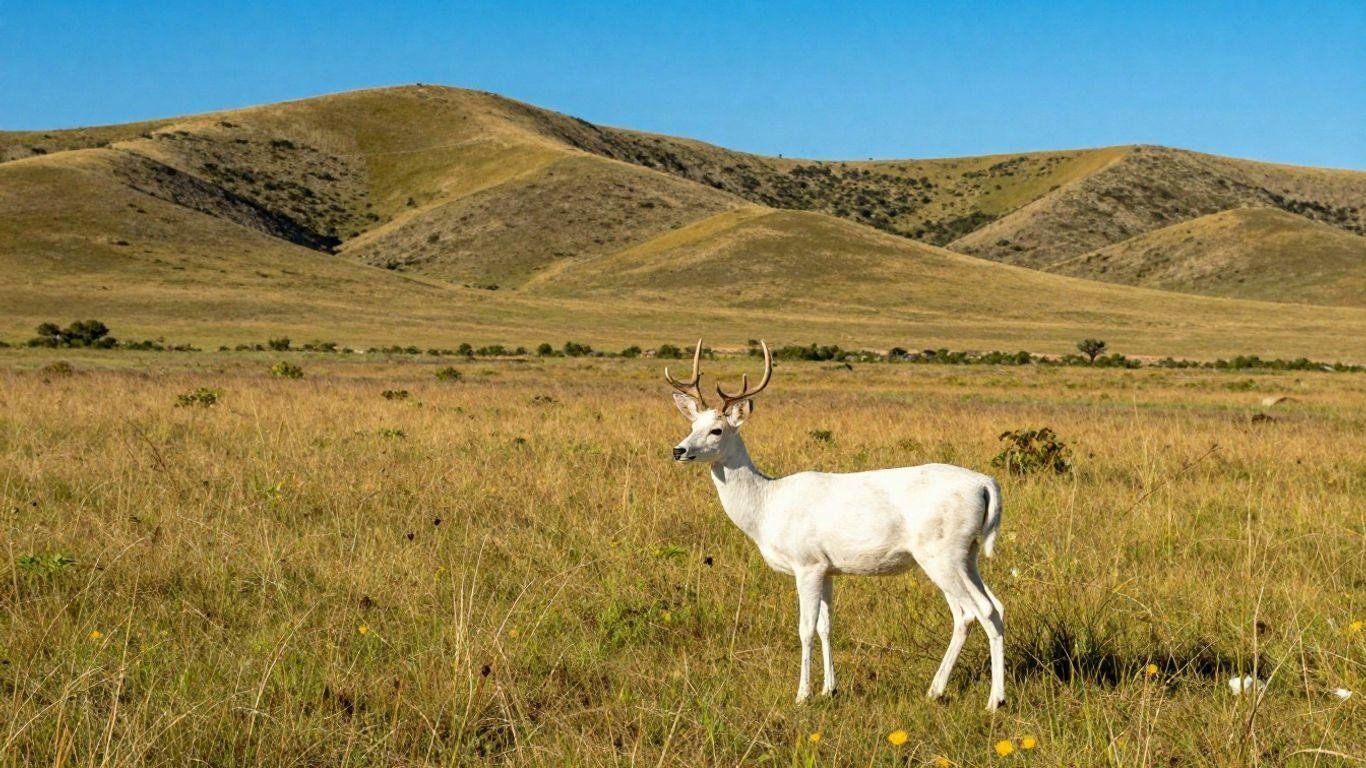
Texas is a big state, and its wildlife viewing opportunities are just as vast. From the rugged mountains of West Texas to the rolling hills of the Edwards Plateau, each region offers a unique experience. Consider what kind of animals you hope to see and the type of landscape that appeals most. Big Bend National Park, for instance, is famous for its desert bighorn sheep and diverse birdlife, while the Panhandle offers chances to spot bison. Planning your Texas wildlife adventure starts with picking the right spot.
Best Times for Wildlife Viewing
Timing is everything when it comes to spotting wildlife. Spring and fall generally offer the most comfortable weather for exploring and are prime times for bird migrations. Many animals are also more active during the cooler hours of dawn and dusk. Researching the specific habits of the animals you wish to see in your chosen destination will help you maximize your chances. For example, seeing the bat flight at Carlsbad Caverns is a seasonal event, so checking the timing is important for this particular Texas wildlife experience.
Essential Packing List
Proper preparation makes for a better trip. For any Texas wildlife adventure, sturdy hiking boots are a must. Layers of clothing are recommended, as temperatures can fluctuate significantly, especially in West Texas. Don’t forget sun protection like a hat, sunglasses, and sunscreen. Binoculars are invaluable for spotting distant animals, and a good field guide can help identify what you see. A reusable water bottle is also key, as staying hydrated is important in Texas’s often dry climate. Remember to pack insect repellent, especially if visiting during warmer months.
A well-planned trip means more time enjoying nature and less time worrying about what you might need. Think practical and pack smart for your Texas wildlife journey.
West Texas Wonders: Big Bend National Park
Big Bend National Park is a vast and remote destination, offering a true escape into the rugged beauty of West Texas. This park is a place where you can truly disconnect and immerse yourself in nature. Planning your visit to Big Bend National Park is key to making the most of its expansive landscapes and diverse ecosystems.
Scenic Drives and Canyon Hikes
Exploring Big Bend National Park often starts with its scenic drives. The Ross Maxwell Scenic Drive is a must-do, winding through dramatic desert scenery and leading to the Rio Grande. Along this route, you’ll find numerous pull-offs for photo opportunities and short walks. A highlight is the hike into Santa Elena Canyon, where the towering canyon walls create a breathtaking natural amphitheater. This area of Big Bend is perfect for those who love to explore by car and on foot.
Exploring the Chisos Basin
The Chisos Basin offers a different perspective, with its higher elevation and cooler temperatures. It feels like a world apart from the desert floor. Hiking trails here, like the Lost Mine Trail, provide stunning panoramic views. The basin is also home to the park’s only lodge and restaurant, making it a convenient base for exploration. Birdwatching is also popular in this lush environment within Big Bend National Park.
Stargazing and Desert Landscapes
Big Bend is renowned for its incredibly dark night skies, making it a prime location for stargazing. Far from city lights, the Milky Way is often visible in stunning detail. During the day, the desert landscapes are equally captivating. The Fossil Discovery Exhibit offers a glimpse into the ancient past of Big Bend, showcasing fossils of creatures that once roamed this land. It’s a reminder of the deep history embedded in the park’s geology.
Panhandle Plains: Palo Duro and Caprock Canyons
The Panhandle Plains of Texas offer a dramatic shift in scenery, presenting vast, colorful canyons that feel worlds away from the usual Texas landscape. This region is home to two spectacular state parks, Palo Duro Canyon and Caprock Canyons, each providing unique opportunities for wildlife viewing and exploration.
Iconic Lighthouse Trail at Palo Duro
Palo Duro Canyon, often called the “Grand Canyon of Texas,” is a must-visit. The most famous hike here is the Lighthouse Trail. It’s a moderately challenging 5-mile round trip that rewards hikers with a stunning, naturally formed rock pillar. The vibrant colors of the canyon walls are particularly striking during sunrise and sunset. This trail is a prime example of the unique geological formations found in the Panhandle Plains, making it a highlight for any Texas wildlife adventure.
Bison Encounters at Caprock
Just a few hours away, Caprock Canyons State Park offers a more rugged and less crowded experience. This park is renowned for its resident Texas State Bison Herd. Visitors often have close encounters with these magnificent animals as they roam freely. Driving the park’s roads provides excellent opportunities to spot the bison. It’s a truly wild experience, and seeing these powerful creatures in their natural habitat is unforgettable.
Exploring Clarity Tunnel
Another gem within Caprock Canyons is the Clarity Tunnel. This is a walk-through bat tunnel, and during certain times of the year, it becomes a roosting site for thousands of bats. While access can be seasonal and requires checking park conditions, it offers a unique wildlife spectacle. The tunnel itself is an interesting geological feature, carved through the rock. For those interested in the diverse wildlife of the Panhandle Plains, Clarity Tunnel is a fascinating stop.
Hill Country Wildlife and Exotic Hunts in Texas
Discovering Guadalupe Mountains National Park
The Hill Country offers a different kind of Texas adventure, blending rugged mountains with unique wildlife viewing opportunities. Guadalupe Mountains National Park, though technically just outside the traditional Hill Country boundaries, is a must-visit for its dramatic landscapes. It boasts the highest peak in Texas, Guadalupe Peak, offering challenging hikes for those seeking a strenuous workout and rewarding views. The park’s diverse terrain supports a variety of wildlife, from mule deer to elusive cougars, making it a prime spot for patient observers.
The park’s trails range from easy strolls to multi-day backpacking routes. For a unique geological experience, the Devil’s Hall Trail provides a chance to scramble over rocks and explore a narrow canyon. Remember to check weather conditions before heading out, as mountain weather can change rapidly. This area is a fantastic place to see Texas wildlife in a mountainous setting.
Exploring Carlsbad Caverns
Just a short drive from Guadalupe Mountains, Carlsbad Caverns National Park in New Mexico presents an entirely different, yet equally captivating, natural wonder. This park is famous for its vast underground chambers, including the immense Big Room. Exploring these caves offers a glimpse into a world shaped by water and time, with stunning stalactites and stalagmites. While not primarily a wildlife destination in the traditional sense, the park is renowned for its nightly bat flight program during warmer months, a truly spectacular natural event.
Wildlife sightings here are more about what you might encounter on the surface or during the bat emergence. Keep an eye out for desert bighorn sheep on the drive into the park. The contrast between the arid landscape above and the cool, dark caverns below makes for a memorable experience. It’s a good idea to book tours in advance, especially during peak season.
Opportunities for Exotic Hunts in Texas
The Hill Country is also well-known for its opportunities related to exotic hunts in Texas. Many private ranches in the region offer guided hunts for non-native species like axis deer, blackbuck antelope, and aoudad sheep, which have thrived in the Texas landscape. These hunts provide a unique sporting experience and a chance to sample game meat that differs from native Texas species. These ranches often focus on conservation and sustainable management of these introduced populations.
Planning an exotic hunt in Texas requires research into reputable ranches and understanding the regulations. It’s an activity that appeals to hunters looking for a different challenge and the chance to pursue species not typically found in North America. The success of these hunts often depends on the ranch’s management practices and the time of year. Many ranches provide lodging and guide services, making it a convenient getaway for sportsmen.
North Texas Escapes: Wichita Mountains
Wildlife Spotting in the Refuge
Just a few hours north of Dallas lies a surprising pocket of rugged beauty: the Wichita Mountains Wildlife Refuge. This area offers a fantastic escape for anyone looking to see wildlife up close without a long drive. It’s a place where you can truly feel like you’ve gotten away from it all. The refuge is home to a variety of animals, making it a prime spot for wildlife viewing.
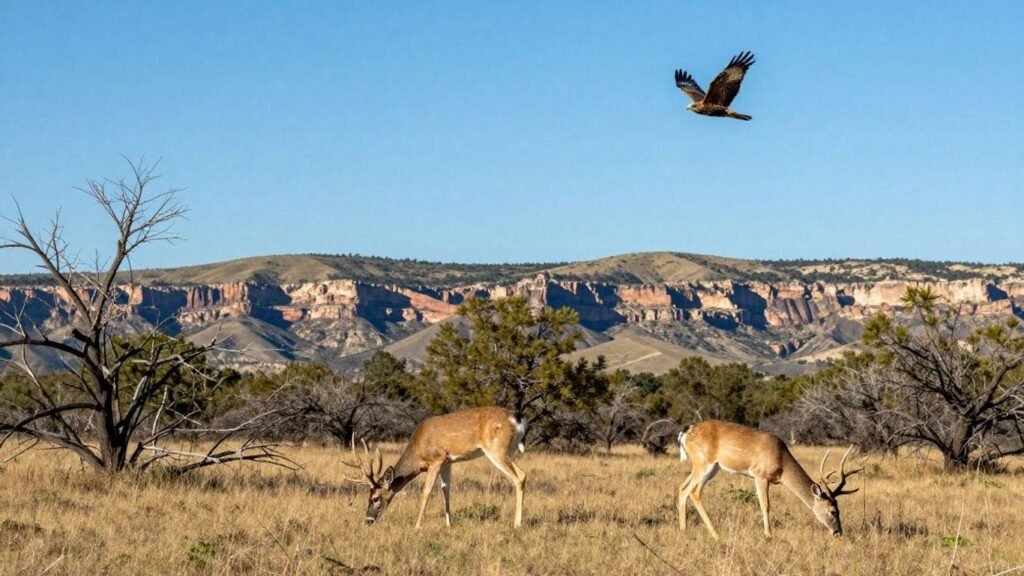
The star attraction here is undoubtedly the bison herd. These magnificent creatures roam freely across the plains, and seeing them is a highlight for many visitors. Keep your eyes peeled for other residents too, like elk, prairie dogs, and various bird species. Remember to keep a safe distance and never feed the animals. The Wichita Mountains Wildlife Refuge provides a genuine glimpse into the natural Texas landscape.
Panoramic Views from Mount Scott
For breathtaking vistas, a drive up Mount Scott is a must. This prominent peak offers sweeping views of the surrounding refuge and beyond. The road winds its way to the summit, providing stunning overlooks at every turn. It’s an accessible way to get a sense of the vastness of the area.
Once at the top, you’re rewarded with a 360-degree panorama. On a clear day, you can see for miles, taking in the rolling hills, the shimmering lakes, and the open prairie. It’s a perfect spot for photos or simply to sit and soak in the scenery. This is one of those places that makes you appreciate the natural beauty of North Texas.
Relaxing by Lake Lawtonka
After a day of exploring and wildlife spotting, Lake Lawtonka offers a peaceful place to unwind. This scenic lake is surrounded by the rugged beauty of the Wichita Mountains, creating a serene atmosphere. It’s an ideal spot for a picnic or just to enjoy the quiet.
Visitors can enjoy the calm waters, watch for waterfowl, or simply relax on the shore. The lake provides a different kind of natural beauty compared to the open plains and mountain peaks. It’s a great way to round out your visit to the Wichita Mountains, offering a moment of tranquility before heading back.
Beyond Texas Borders: Nearby Wildlife Destinations
Petit Jean State Park Waterfalls
Sometimes, the best wildlife adventures are just a short drive away. For those looking to extend their Texas exploration, Petit Jean State Park in Arkansas offers a refreshing change of scenery. It’s a place where natural beauty truly shines, with stunning waterfalls and scenic overlooks that make for a perfect weekend escape. The park is known for its family-friendly trails, making it accessible for all kinds of travelers.
Getting to Petit Jean from Dallas is a straightforward drive, usually taking around 5.5 to 6 hours. The route is mostly highway, making it an easy trip to plan. Inside the park, Mather Lodge provides the best views and a convenient location, though cabins and hotels in nearby Morrilton are also options if you’re looking for different accommodations. This park is a great spot for seeing wildlife in a lush, green environment.
The park’s highlights include the iconic Cedar Falls, accessible via a short but steep trail, and the unique Bear Cave Trail with its interesting rock formations. Other notable spots are the Seven Hollows Trail, featuring a natural bridge and caves, and the Stout’s Point overlooks, offering expansive views. Petit Jean State Park is a fantastic addition to any wildlife itinerary, providing a different kind of natural beauty just outside of Texas.
Exploring Arkansas’s Natural Beauty
Arkansas is full of natural wonders, and Petit Jean State Park is a prime example. It’s a place that feels both wild and accessible, perfect for a weekend getaway. The park’s diverse landscape means there’s always something new to discover, whether it’s the sound of rushing water or the sight of local fauna.
When planning your visit, consider the best times for wildlife viewing. Spring and fall often offer pleasant weather and increased animal activity. Remember to pack comfortable hiking shoes, water, and a camera to capture the beauty. Exploring Arkansas’s natural beauty here is a rewarding experience for any nature enthusiast.
Unique Lodging Options
Beyond the standard hotel stays, consider the unique lodging options available near and within Petit Jean State Park. Mather Lodge, situated right in the park, offers unparalleled views and easy access to trails. For a more rustic experience, park cabins provide a cozy retreat. These options allow visitors to immerse themselves more fully in the natural surroundings, making the trip feel even more special. This is a great way to experience the local flavor and truly connect with the environment during your wildlife trip.
Ready for Your Texas Wildlife Adventure?
So there you have it – a few ideas to get you started on planning your next weekend escape into the wild heart of Texas. Whether you’re drawn to the rugged canyons of Palo Duro, the unique landscapes of Big Bend, or the abundant wildlife at Wichita Mountains, these itineraries offer a solid starting point. Remember, the best trips are often the ones that allow for a little spontaneity, so feel free to tweak these plans to fit your pace and interests. Texas has so much to offer right in its own backyard, proving you don’t always need a plane ticket for an unforgettable adventure. Now, go pick a weekend and hit the road!