


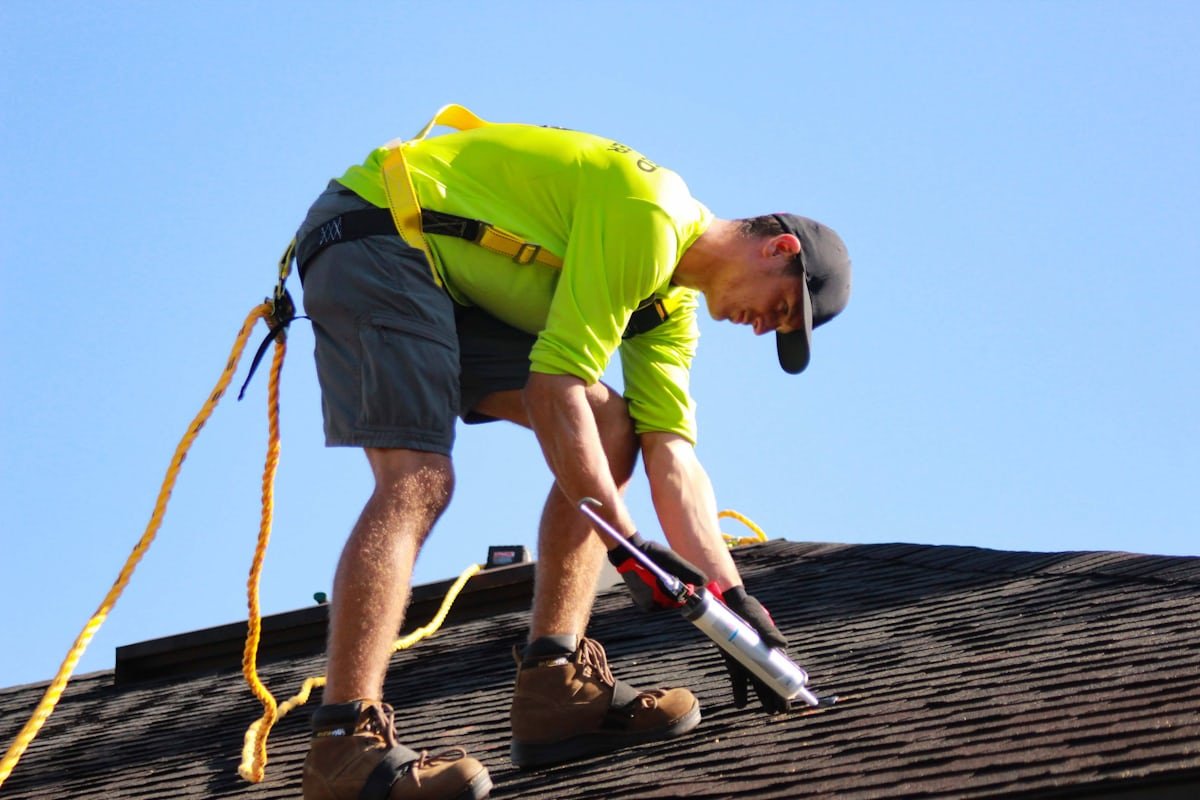
In Toronto’s real estate and property maintenance market, there is a dangerous misconception that “no drip means no problem.” As we navigate the erratic weather patterns of 2026—marked by intense “flash” freeze-thaw cycles and increasingly violent windstorms—the philosophy of roofing has shifted. Property owners are moving away from reactive patching and toward a more sophisticated, diagnostic approach to maintenance.
If you are only looking for a roof repair service toronto after you see a water stain on your ceiling, you are already months too late. By the time water penetrates your interior, it has likely already compromised your attic insulation, fostered mold growth, and begun the silent process of rotting your roof deck.
1. The Anatomy of a Toronto Roof Failure
Toronto roofs face a “perfect storm” of stressors that are unique to the Great Lakes basin. In 2026, the primary culprit for premature failure isn’t age—it’s thermal fatigue.
When the temperature swings from -15°C at night to +5°C during a sunny February afternoon, your roofing materials expand and contract at different rates. This movement stresses the “critical junctions” of your roof:
- The Flashing: The metal transitions around chimneys and dormers.
- The Sealants: The caulking around vents and skylights that becomes brittle over time.
- The Shingle Granules: Which act as the UV “sunscreen” for your roof; once lost, the underlying asphalt dries out and cracks.
2. Advanced Diagnostics: The 2026 Repair Standard
The days of a roofer just “eyeballing” a leak from the ground are over. Leading specialists like The Roof Technician now utilize Diagnostic Inspections to find the source of a leak before it becomes a catastrophe.
A modern repair assessment often includes:
- Attic Borescope Inspections: Checking for “stealth leaks” along the underside of the roof deck that haven’t reached the ceiling yet.
- Ventilation Analysis: Ensuring your attic isn’t “suffocating,” which causes shingles to bake from the inside out.
- Moisture Mapping: Identifying areas where insulation has become saturated, even if the drywall looks dry.
3. The “Repair vs. Replace” Matrix
Homeowners often fear that calling a repair service will automatically result in a quote for a full replacement. However, in 2026, many roofs can be saved through Targeted Restorations.
| Sign of Damage | Immediate Repair Possible? | Replacement Recommended? |
|---|---|---|
| Missing Shingles | Yes, if localized. | Only if >20% are missing. |
| Chimney Leaks | Yes, usually a flashing issue. | Rarely needed for this alone. |
| Widespread Granule Loss | Temporary fix only. | Yes, the roof is “expired.” |
| Internal Deck Rot | No. | Yes, this is a structural risk. |
4. Why Seasonal Proactivity Saves Thousands
In Toronto, the cost of an emergency “winter patch” can be 50% higher than a scheduled fall tune-up. By addressing minor issues—like a loose ridge cap or a clogged downspout—during the spring or autumn, you prevent the formation of Ice Dams.
An ice dam acts as a physical wall, trapping melting snow and forcing water under the shingles. A proactive roof repair service toronto can install high-temperature ice and water shields in these vulnerable zones, effectively “winterizing” your home against the worst of the GTA’s climate.
Conclusion: Protecting Your Equity
Your roof is the most significant “unseen” asset in your home’s value. A well-documented history of professional repairs and maintenance doesn’t just keep you dry; it provides the “Home Inspection Confidence” that is critical in the 2026 real estate market. Don’t wait for the drip—invest in the integrity of your shelter today.