


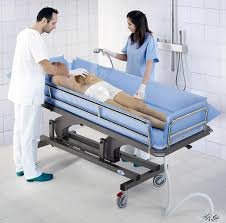
Care is often discussed in emotional terms. Compassion. Patience. Respect. All of it matters. But real care is also physical. It happens in bathrooms, hallways, bedrooms, and tight spaces where bodies are supported, lifted, turned, washed, and dried. It happens when someone is tired, sore, anxious, or simply not in the mood to be handled by the world that day. And in those moments, equipment stops being background detail and becomes part of the relationship.
A Shower Trolley sits right in the middle of that reality. It supports people who cannot safely stand, it protects workers who perform physically demanding tasks day after day, and it shapes whether a shower feels calm or rushed, steady or unsettling. That’s why shower trolley services matter more than most brochures ever explain. They don’t just supply something on wheels. They quietly influence comfort, safety, workflow, and trust. When the right system is in place, nobody really talks about it. Care flows. When it isn’t, everyone feels it.
The Part Of Care Nobody Really Advertises
Many people imagine a Shower Trolley as a simple item. Something ordered, delivered, and ticked off a list. In real care environments, it is rarely that straightforward. Bathrooms differ. Bodies differ. Support needs change. A hospital ward does not function like an aged care home. An SDA residence does not move like a rehab unit. In-home care brings its own challenges altogether.
Door widths, drainage layouts, turning circles, carer access, storage limits, infection-control routines, privacy requirements. These things are not footnotes. They are the environment in which the trolley must work every single day. This is where experienced shower trolley services step out of the role of supplier and into the role of problem solver. They walk spaces. They observe routines. They listen to the staff. They factor in the person being supported, not just their mobility, but their comfort, their anxiety triggers, their tolerance for movement, and their sense of control. A Shower Trolley chosen this way becomes part of the care plan, not an obstacle within it.
Why Environments Matter More Than Equipment Lists
A catalogue can show dimensions. It cannot show what happens at 6:30 am when two staff members are working in a narrow bathroom with wet floors and a person who slept badly. This is why service-driven providers focus less on features and more on fit. They look at how a Shower Trolley moves through corridors, whether it aligns with hoists, whether it parks without blocking workflows, and whether it positions the body to reduce constant micro-adjustments. These are not technical details. They are fatigue factors. They decide whether showers take ten calm minutes or twenty tense ones. Over time, these differences shape staff confidence, client comfort, and the overall feel of the care environment.
The Quiet Impact On Staff Safety And Energy
Care work is physical, even when done gently. Reaching, leaning, stabilising, guiding, repeating. A poorly matched Shower Trolley adds strain in small ways that stack up. A handle that forces awkward wrist angles. Brakes that don’t hold cleanly. Height adjustments that hesitate. Over weeks, those things change how people move. Shower trolley services that understand this design around the worker as much as the client. They think about carer access from both sides, controlled positioning, smooth rolling, and predictable locking. When a trolley supports the worker properly, movement becomes slower, more deliberate, and less defensive. That changes the emotional tone of the room. When staff don’t feel rushed by the equipment, they create space for conversation, reassurance, and genuine presence. And that presence is often what people receiving care respond to most.
Comfort Is Not Optional In A Bathroom
Bathrooms are vulnerable spaces. Sound echoes. Temperatures shift. Bodies feel exposed. The surface someone lies on. The way water moves. The sense of stability underneath them. All of it registers quickly. A Shower Trolley that is cold, noisy, unstable, or difficult to position makes the shower something to endure. Shower trolley services that spend time in real care environments understand how much comfort influences behaviour. They pay attention to padding systems, surface response, drainage flow, and how the trolley feels when someone shifts their weight. Comfort reduces resistance. It shortens routines not by rushing them, but by removing tension. Over time, this changes how people approach personal care. Familiarity grows. Anxiety softens. What once required constant reassurance starts to settle into normality.
Why Service Does Not End At Delivery
Care needs rarely stay still. People age. Conditions progress. Support models shift. Staffing patterns change. A Shower Trolley that suited a service two years ago may no longer match today’s reality. This is where ongoing service becomes part of care quality. Regular inspections, preventive maintenance, responsive repairs, and staff refreshers keep equipment aligned with real use. Shower trolley services that stay involved tend to notice issues before they disrupt routines. They hear when something feels off. They adjust, update, or replace components so care environments are not forced to adapt around failing tools. Reliability builds predictability. Predictability reduces anxiety. And in care, anxiety is often heavier than any piece of equipment.
When More Voices Shape Better Outcomes
One of the healthiest shifts in care environments has been widening who participates in equipment decisions. Support workers, therapists, coordinators, and families all see different sides of the same routine. A carer knows whether a Shower Trolley manoeuvres smoothly. A therapist understands how positioning affects tone and comfort. Families notice emotional responses. The person receiving care knows whether they feel secure. Shower trolley services that invite these perspectives tend to deliver solutions that last longer and frustrate less. Ownership grows. Staff use equipment more confidently. People being supported settle into routines more easily. Equipment stops being “what we were given” and becomes “what works here.”
How Shower Trolleys Quietly Shape Reputation
Care organisations are often judged on culture and communication, but daily experience leaves the deepest impression. Families notice whether showers feel calm. Whether the staff look confident. Whether the equipment looks maintained. Whether their loved one seems more settled afterward. A Shower Trolley influences all of this. It affects how many people are needed. How long do routines take? How often do problems occur? Over months, those impressions become stories. Stories become reputation. Shower trolley services that understand this position themselves not as suppliers, but as long-term partners in care delivery. They support consistency. And consistency is what most families are really searching for.
More Than Equipment, Part Of The Care Relationship
At its core, a shower trolley from CHS Healthcare is a bridge between vulnerability and support. It carries more than weight. It carries trust. When thoughtfully selected, properly maintained, and integrated into real routines, it fades into the background. Conversation flows. Movement steadies. Care feels less clinical and more human. That is the quiet work shower trolley services do every day. Not dramatic. Not visible. But deeply felt.