


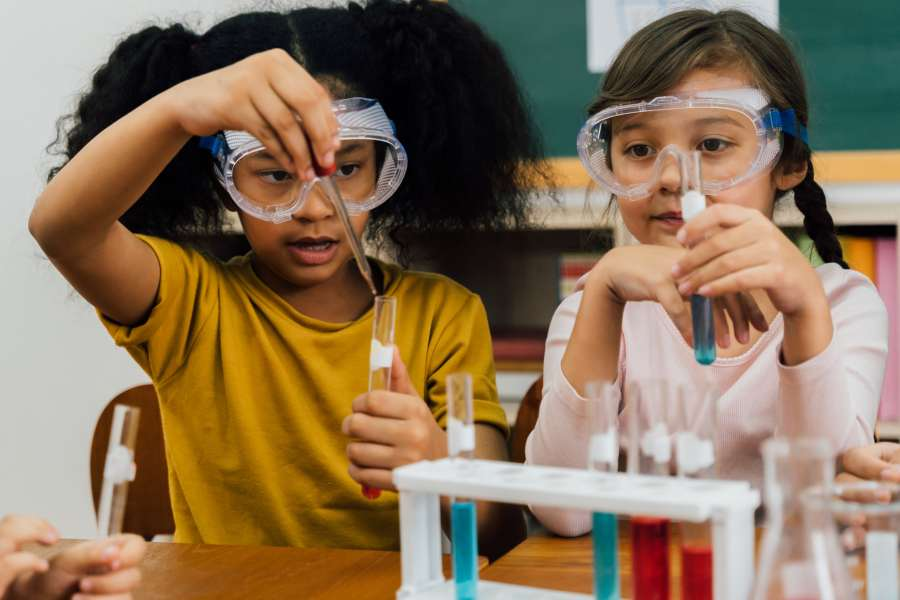
Students learn best when they can see, touch, and experience what they’re studying. Educational trips offer a break from routine while giving students a fresh perspective on real-world applications. These outings are more than just picnics; they’re curated learning adventures filled with excitement and discovery.
The best part? Many educational trip ideas for students can be both informative and fun. With the right planning, educators can give students experiences that stick with them for life. This blog explores a variety of student-friendly educational trip ideas that perfectly balance learning outcomes with engaging, hands-on fun.
Engaging Educational Trip Options for Students
These trips are designed to help students understand concepts beyond textbooks while keeping their curiosity alive. Here are thoughtfully planned educational trip options that combine meaningful learning with enjoyable experiences:
1. Marine Learning at Aquarium Paradise
One of the most immersive and interactive educational destinations today is Aquarium Paradise, located in Bengaluru. Designed to blend entertainment with marine education, this unique experience is a hit among students of all ages.
Learning Highlights:
- Students observe marine life in real time, including rare species like Black Tip Sharks, Moray Eels, and Lemon Sharks.
- The 180° underwater tunnel offers a walk-through ocean experience, ideal for discussing aquatic food chains, ecosystems, and species interactions.
- On-site guides provide insights into marine conservation, animal adaptations, and underwater habitats.
What Makes It Fun:
- The Jellyfish Room creates a surreal, glowing environment that fascinates young minds.
- The Mermaid Show, performed by skilled swimmers, adds a magical element to the trip.
- Students can join interactive fish-feeding sessions that are both educational and exciting.
Aquarium Paradise brings textbooks to life and is the perfect example of how an educational trip can be both thrilling and meaningful.
2. Science Museums: Where Theory Meets Discovery
Science museums provide hands-on exposure to concepts often restricted to the pages of a textbook. These spaces are designed to let students explore topics like physics, space, biology, and chemistry through interactive exhibits and models.
Why They Work:
- Children and teens engage deeply with cause-and-effect learning by pressing buttons, moving levers, and conducting basic experiments.
- Many museums feature live science shows, robotics demos, and space simulations.
- Exhibits often include augmented reality and multimedia storytelling for better understanding.
Trips to a science museum allow educators to align field experiences with classroom topics, offering fun and clarity in one go.
3. Snow Zones: Chilling Out with Physics
Ever thought of teaching thermodynamics inside a snow dome? Indoor snow parks offer a unique environment for students to learn about temperature regulation, insulation, artificial climate systems, and even states of matter.
What Students Learn:
- How snow is artificially created and maintained in a tropical climate.
- Principles of freezing points, heat exchange, and cold storage.
- Environmental science through artificial climate models.
Fun Elements:
- Snowball fights, ice slides, and igloos.
- Dressing in snow gear for photos and team activities.
- A chance to experience snowfall without leaving the city.
It’s a brilliant blend of winter wonder and scientific learning, all wrapped in snow.
4. Historical Walks: Learning Through Stories
Textbook history can sometimes feel dry, but visiting a heritage site changes that. Exploring monuments, palaces, or ancient ruins helps students connect emotionally with the stories of the past.
Learning Opportunities:
- Learn about architecture, governance systems, and lifestyles of past eras.
- Understand key historical events and their long-term impact.
- Discuss the symbolism and cultural practices of different dynasties.
Make It Fun:
- Turn it into a treasure hunt with clues based on architectural elements.
- Let students take up roles as historical characters and share facts in costume.
- Encourage sketching monuments or writing historical diaries after the trip.
History is often best told through the walls that witnessed it.
5. Nature Parks and Eco-Trails: Biology in Action
Taking students into the natural world is an excellent way to teach environmental science, botany, and conservation. Whether it’s a forest trail, a butterfly conservatory, or a bird sanctuary, these spaces offer real-life encounters with biodiversity.
What to Focus On:
- Identification of local flora and fauna
- Conservation practices and ecological balance
- Climate zones and habitat-based learning
What Students Enjoy:
- Safari-style rides, nature games, and wildlife spotting
- Nature journaling and eco art activities
- Interaction with eco-guides or forest officers
A day in nature nurtures both environmental awareness and scientific curiosity.
6. Art Galleries and Museums: Creative Reflections
Art-based educational trips are an excellent way to encourage observation, critical thinking, and cultural literacy. Galleries offer exposure to techniques, narratives, and artistic movements that complement both history and language lessons.
How They Educate:
- Showcase India’s cultural timeline through artworks and installations.
- Help students interpret the messages and stories behind each piece.
- Teach visual communication and symbolism across different art styles.
How They Entertain:
- Students can recreate art styles using their own materials.
- Interactive quizzes or scavenger hunts inside galleries.
- Group projects to build mini exhibitions back at school.
Art opens up a different channel of learning through emotion, expression, and perspective.
7. Innovation Labs and Tech Centres: The Future of Education
For students interested in STEM (Science, Technology, Engineering, and Maths), visiting an innovation centre or tech incubator offers direct exposure to the tools of tomorrow.
Educational Value:
- Real-life exposure to AI, robotics, space tech, and coding platforms.
- Interaction with developers, engineers, and researchers.
- Inspiration for future careers and project-based learning.
Fun Inclusions:
- Hands-on demos with smart devices, drones, or automation tools.
- Gamified tech activities or simulations.
- Innovation quizzes and coding games.
Such visits transform technology from a concept into a curiosity-driven experience.
8. Eco-Farms and Agricultural Visits: From Soil to Plate
Agricultural trips help students understand food systems, sustainability, and the importance of organic farming. These experiences are perfect for schools focusing on health, environment, and entrepreneurship.
Academic Takeaways:
- Life cycles of crops and interdependence in ecosystems.
- Techniques like drip irrigation, composting, and crop rotation.
- Challenges faced by farmers and the role of technology in agriculture.
Student Activities:
- Harvesting crops or feeding farm animals.
- Creating compost or seed-bombing in green areas.
- Farm games, tasting sessions, or recipe ideas using grown produce.
Students gain respect for the food they eat and the people who grow it.
Tips for Planning an Engaging Educational Trip
Planning a successful school trip requires more than just choosing a destination; it’s about creating a meaningful learning experience. Here are a few practical tips that help educators ensure students stay engaged, safe, and curious throughout the journey.
Before the Trip
- Select destinations aligned with the syllabus or project themes.
- Share basic reading material or videos to prep students.
- Organise parent briefings and form student buddy teams.
During the Trip
- Provide worksheets or scavenger challenges to maintain focus.
- Schedule both learning and relaxation breaks.
- Assign teachers to small groups for easier supervision.
After the Trip
- Encourage group presentations or trip journals.
- Host an exhibition day with photos, posters, or models made by students.
- Celebrate student participation with certificates or prizes.
Well-planned trips leave lasting impressions on young minds.
Conclusion
When designed thoughtfully, educational trips can open students’ minds far beyond what classroom instruction can offer. These experiences help connect theory with practice, spark interest in new subjects, and boost team spirit among students.
From walking under the ocean at Aquarium Paradise to decoding physics on thrilling rides or digging into soil at an eco-farm, each trip becomes an opportunity for students to explore, learn, and laugh.
So if you’re looking for meaningful educational trip ideas for students, choose experiences that blend knowledge with excitement. Because when fun and learning go hand in hand, the journey is never forgotten.