


Every business starts somewhere. Maybe you’ve got a great product, a solid service, or a genuinely useful idea. But here’s the thing: if your brand doesn’t look credible online, people won’t stick around long enough to find out how good you actually are.
Your online brand presence is essentially your first impression. It tells people who you are, what you stand for, and whether you’re worth trusting all within seconds.
Building that presence properly means starting from the ground up, and that means getting your logo right before anything else. Working with a professional logo design company gives you a visual foundation on which everything else can be built, from your website to your social media profiles and beyond.
Why Your Brand Identity Comes Before Your Website
A lot of people make the mistake of rushing to build a website before they’ve figured out their brand identity. The website ends up looking generic, the colors feel random, and nothing really connects. Then they have to redo it all six months later.
Your brand identity, the logo, color palette, typography, and overall visual style should be locked in first. It’s the DNA of everything that comes after.
What Brand Identity Actually Includes
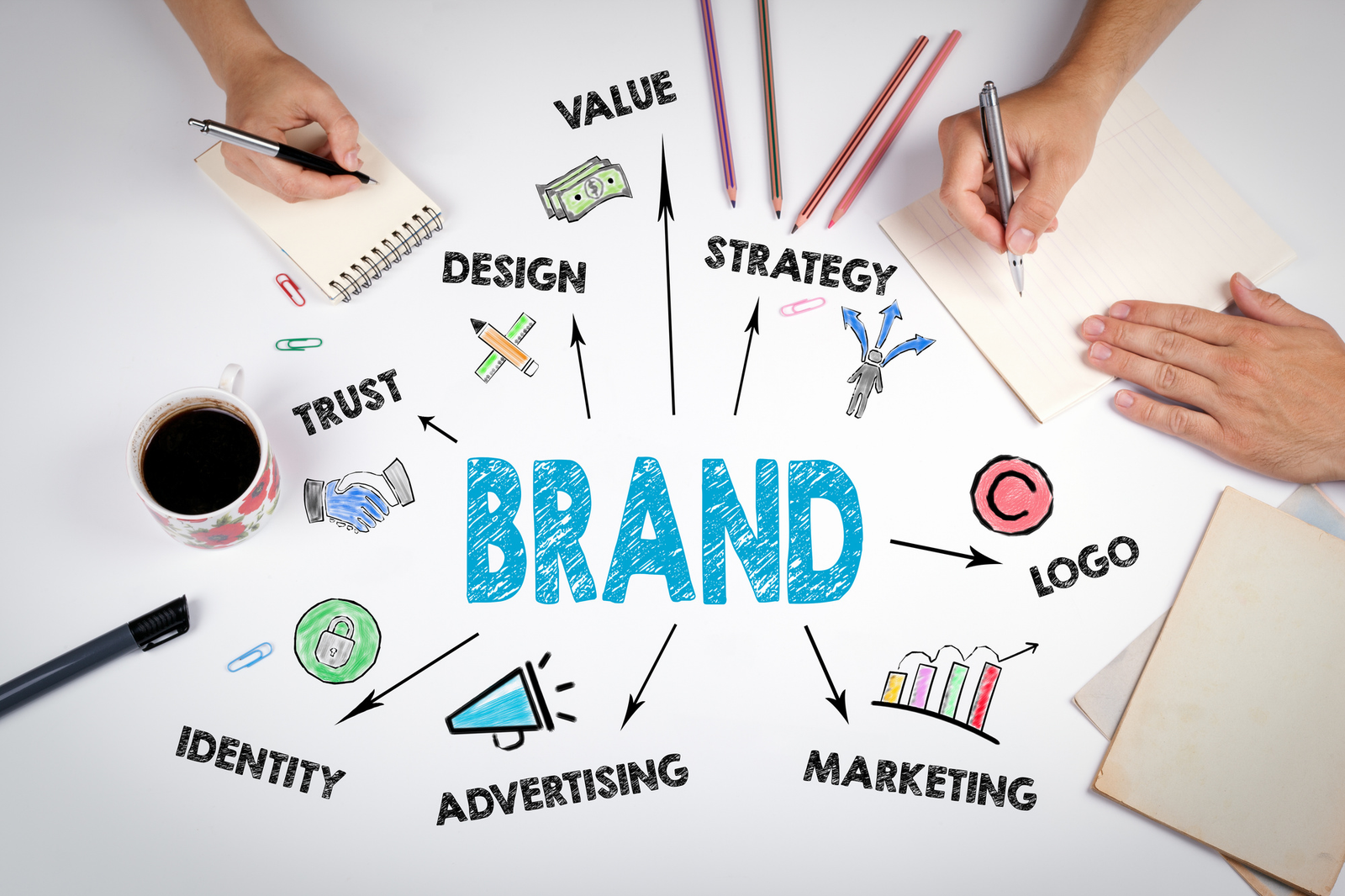
Brand identity isn’t just a logo. It’s the full package.
Your logo is the anchor. It’s what people recognize first and remember longest. It should work in multiple sizes, across different backgrounds, and in both color and black-and-white.
Your color palette sets the emotional tone. Blues feel trustworthy. Greens feel fresh. Reds create urgency. These are deliberate choices that shape how people perceive your brand.
Typography matters more than most people realize. Whether you use a clean sans-serif or a classic serif font says something about your personality as a business.
If you’re unsure where to start, Google’s guide to brand building covers the foundational principles in a clear, practical way.
Getting Your Logo Right
Your logo is the most visible element of your brand. It’ll show up on your website, social profiles, business cards, email signatures, and packaging. So it’s worth getting right from day one.
What Makes a Good Logo?
Simplicity. The best logos are easy to recognize even at a small size. Think of the Nike swoosh or the Apple icon; nothing complicated about them, and that’s exactly why they work.
Relevance. Your logo should reflect something about your industry or brand personality. A law firm and a kids’ toy brand shouldn’t feel the same visually.
Versatility. A good logo scales up to a billboard and down to a favicon without losing clarity.
Timelessness. Trendy designs date quickly. Aim for something that’ll hold up for years without needing a constant refresh.
From Logo to Full Visual Brand System
Once your logo is done, the next step is building out the rest of your visual identity. A lot of small businesses get a logo made and stop there; that’s a mistake.
A real brand system includes specific hex codes for your brand colors so every designer uses exactly the same shades. It includes font pairings for headings and body text. It includes guidelines for how the logo should and shouldn’t be used. Some call this a style guide or a brand kit.
Having this locked down before you build your website makes the whole process faster, smoother, and more consistent.
Building a Website That Actually Represents Your Brand
Now we get to the part most people are excited about: the website. But a website built without a solid brand foundation is like putting a roof on a house with no walls.
Your website needs to do several things at once: look good, load fast, be easy to navigate, communicate your value clearly, and guide visitors toward taking action, whether that’s making a purchase, filling out a form, or picking up the phone.
Design That Reflects Your Brand
Every design decision on your website, the layout, color scheme, fonts, and imagery should flow directly from your brand identity. Consistency is what builds trust. When someone sees your website, your Instagram profile, and your business card, they should all feel like they belong to the same brand.
This is where generic templates fall short. They’re designed to look decent for everyone, which usually means they look special for no one.
Why Professional Web Design Makes a Difference
There’s a reason growing businesses eventually turn to a web design agency rather than sticking with a template. A professional team understands not just how to make things look good, but how to structure the user experience so visitors actually convert into customers.
They think about page speed, mobile responsiveness, SEO structure, and accessibility, all things that are genuinely hard to get right without real experience.
Key Pages Every Brand Website Needs
Homepage: This is your digital storefront. It should communicate who you are and what you offer within about five seconds.
About page: People buy from people. A well-written about page builds trust and humanizes your brand.
Services or Products page: Clear, specific, and benefit-focused. Not just what you do, but why it matters to the customer.
Contact page: Make it easy for people to reach you. Every friction point here costs you leads.
SEO and Content: Making Sure People Can Find You
You can have the most beautiful website in the world, but if nobody can find it, it doesn’t help your business much. That’s where SEO comes in.
Basic on-page SEO means using relevant keywords naturally in your page titles, headings, and content. It means writing meta descriptions that actually describe the page. It means making sure your images have alt text and your site loads quickly.
For a solid foundation, Moz’s Beginner’s Guide to SEO is one of the best free resources available.
Beyond the technical side, content is what builds long-term visibility. Blog posts, guides, case studies — anything that genuinely answers questions your target audience is searching for.
Social Media: Extending Your Brand Beyond the Website
Your website is your home base, but social media is where much of the discovery happens. And here, consistency is everything.
Use the same logo, the same color palette, the same tone of voice across every platform you’re active on. When someone finds you on Instagram after visiting your website, it should feel like a seamless continuation of the same brand.
You don’t need to be everywhere. It’s far better to show up consistently on two or three platforms than to be scattered and inactive across six.
Putting It All Together
Building a strong online brand presence isn’t something that happens overnight. It’s a process that starts with a clear visual identity, flows through a well-designed website, and continues through consistent content and social presence.
The brands that do this well aren’t necessarily the ones with the biggest budgets. They’re the ones who took the time to think carefully about who they are and what they want to communicate, and then executed that consistently across every touchpoint.
Start with your logo. Build your brand system. Then build your website. Get those three things right, and you’ve got a foundation that can support real, lasting growth.