


A Journey Through Mythological Landscapes
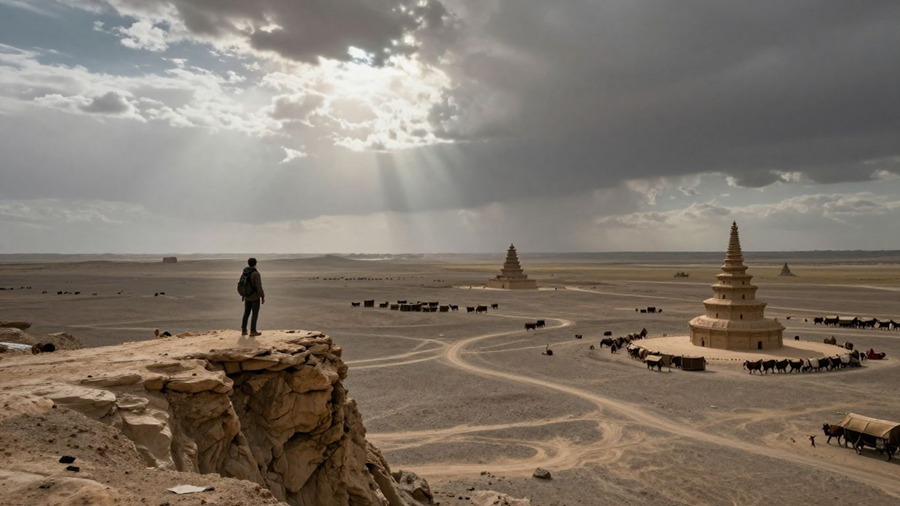
Silkroad Online drops players into a world steeped in history and myth. It’s not just a backdrop; it’s a character in itself. The game pulls from the rich tapestry of the ancient Silk Road, blending historical settings with fantastical elements. This creates a unique atmosphere that pulls you in. You’re not just leveling up; you’re exploring a place that feels ancient and alive.
This world draws heavily from Far Eastern mythology. Think ancient China, with its distinct architecture and cultural motifs. It’s a departure from the typical Western fantasy settings many MMORPGs offer. The Asian aesthetics are front and center, giving the game a look and feel that’s both familiar and exotic. It’s a visual feast that sets Silkroad Online apart.
The game’s environments feel vast and full of secrets. From bustling cities to desolate deserts, each area has its own story. Exploring these mythological landscapes is a core part of the experience. It’s this sense of discovery that keeps players coming back, even years later. The world itself is a major draw for Silkroad Online.
Character Progression And Specialization In Silkroad Online
Weapon-Driven Identity Over Strict Classes
Silkroad Online takes a different approach to character building compared to many modern MMORPGs. Instead of rigid class structures, your initial weapon choice heavily influences your capabilities. For European characters, selecting a weapon often dictates their role on the battlefield, impacting the armor they can equip. Chinese characters, however, enjoy more flexibility, able to equip various armor types regardless of their chosen weapon. This system allows for a more fluid start.
This weapon-first identity means players aren’t locked into a predefined role from the outset. The character progression is built around mastering different weapon types and their associated skills. This allows players to experiment with different combat styles early on, rather than committing to a single class that might not fit their evolving playstyle. It’s a functional system that prioritizes player choice.
The game encourages players to think about how their weapon choice synergizes with their desired playstyle. This initial decision sets the stage for how you’ll approach combat and interact with the world. It’s a system that rewards thoughtful selection and adaptation as you gain experience and unlock new abilities. The focus remains on the player’s agency in shaping their character’s path.
The Signature Job System And Player Conflict
Hunter, Thief, And Merchant Dynamics
Silkroad Online throws players into a world where conflict isn’t just an option, it’s a core mechanic. The game’s signature job system is the engine driving much of this player-versus-player action. Unlike many MMORPGs that silo PvP into specific arenas or battlegrounds, Silkroad Online integrates it directly into the fabric of its economy and progression. Players choose a path: Hunter, Thief, or Merchant. Each role has a distinct purpose and interacts with the others in a constant push and pull.
This system creates a dynamic ecosystem. Merchants aim to transport goods safely across the map, generating wealth. Thieves, naturally, prey on these merchants, attempting to steal their valuable cargo. Hunters exist to protect the merchants and hunt down the thieves. This triangle of roles ensures that player conflict is almost always brewing on the open roads. It’s a constant game of cat and mouse, where alliances can form and shatter in an instant, all driven by the pursuit of profit and the thrill of the chase.
The Risks And Rewards Of Trade Routes
The trade routes are the lifeblood of Silkroad Online’s economy, but they are also the most dangerous places in the game. When a player decides to become a merchant, they are essentially volunteering to become a target. The rewards for successful trade runs can be substantial, offering significant in-game currency and experience. However, the risk is equally high. A single encounter with a skilled thief or a group of them can result in the complete loss of the goods being transported.
This risk-reward loop is what makes the job system so compelling. Players aren’t just mindlessly grinding mobs; they are engaging in high-stakes economic warfare. The tension of escorting a valuable caravan, or the adrenaline rush of successfully ambushing a merchant, adds a layer of excitement that many modern MMORPGs struggle to replicate. The job system in Silkroad Online turns simple trade into an adventure.
Player-Versus-Player Encounters
Player-versus-player (PvP) encounters in Silkroad Online are not confined to designated zones. The job system ensures that PvP can happen anywhere, at any time, especially along the trade routes. When a player reaches a certain job level, they become vulnerable to attacks from players of opposing job roles. This means that even a routine delivery can turn into a desperate fight for survival.
These encounters are often spontaneous and unpredictable. A lone merchant might be ambushed by a band of thieves, or a group of hunters might intercept a thief attempting to make off with stolen goods. The outcome of these battles depends on player skill, preparation, and sometimes, sheer luck. The constant threat of PvP keeps players on their toes and adds a significant layer of challenge to the game.
Questing And Leveling: A Classic MMORPG Grind
The Nature Of Early Game Quests
Getting started in Silkroad Online often means following a familiar quest chain. These early tasks typically involve defeating a set number of monsters or collecting specific items. The game guides players through initial zones, pushing them towards the next area for continued leveling. It’s a straightforward approach, common in many older MMORPGs.
The Role Of Grinding In Progression
Silkroad Online, like many classic MMORPGs, relies heavily on grinding for character progression. Reaching higher levels demands significant time spent defeating enemies to gain experience points. This can become repetitive, especially as quest requirements increase. The core loop of combat and experience gain is central to advancing your character.
Quality-Of-Life Improvements Over Time
While the original Silkroad Online was known for its demanding grind, later updates, like those in Silkroad-R, introduced changes. These adjustments aimed to improve the pace of leveling. For instance, experience requirements per level were reduced, and party play was further encouraged with better experience bonuses. These changes made the leveling process more accessible without completely removing the sense of accomplishment from progression. The game’s approach to questing and leveling reflects a shift seen across the MMORPG genre over the years.
Economic Systems And Player Commerce
The Impact Of Gold Drops
Silkroad Online’s economy has always been a bit of a wild ride. In the original game, gold dropped from monsters like candy. This meant that getting rich was often just a matter of putting in the hours, grinding mobs. It made the economic landscape feel pretty straightforward, maybe even a little too simple for some.
This constant stream of gold from defeated foes directly fueled the player-driven markets. Prices could fluctuate wildly based on how much gold was circulating. It was a system that rewarded persistence, but sometimes at the cost of true economic depth. The sheer volume of gold meant that basic necessities were usually affordable, but rare items could still fetch a fortune.
The economic system was designed to keep players engaged through constant acquisition. This approach, while effective for keeping players playing, sometimes led to inflation issues. The impact of gold drops was undeniable, shaping how players interacted with vendors and each other.
Player-Driven Markets
Forget NPC shops dictating prices; Silkroad Online thrives on player-to-player commerce. The auction house and direct player trading are where the real action happens. Want that epic sword? You’ll likely be buying it from another player who spent hours farming or crafting it.
This player-driven market means supply and demand are king. If a certain item is rare or highly sought after, its price will skyrocket. Conversely, common items flood the market, driving prices down. It creates a dynamic environment where smart traders can make a serious profit.
The economic heartbeat of Silkroad Online is its players. Their actions, their trades, and their market manipulations are what truly define the game’s economy. It’s a constant dance of acquisition and sale.
Cash Shop Integration And Its Effects
As a free-to-play game, Silkroad Online incorporates a cash shop. This is where things get a bit more modern compared to its original release. Players can buy convenience items, boosts, and even powerful gear with real money.
This cash shop integration definitely impacts the player economy. While it offers ways to speed up progression or acquire items faster, it can also create a divide. Players who spend money might have an advantage over those who don’t, especially in acquiring top-tier equipment.
- Convenience Items: Potions, repair kits, and inventory expansions.
- Progression Boosts: Experience scrolls and drop rate enhancers.
- Cosmetics: Outfits and character appearance options.
The cash shop’s presence is a constant factor, influencing the value of items and the pace of progression for all players. It’s a balancing act between monetization and fair play.
Visuals And Audio: A Look Back
Dated Yet Functional Graphics
Silkroad Online’s graphics, by today’s standards, are pretty basic. Think early 2000s MMO. Textures are simple, character models are blocky, and environments can feel a bit repetitive. It’s not going to blow anyone away with its visual fidelity. However, the art style itself has a certain charm. The Asian aesthetics are strong, with pagodas, traditional clothing, and landscapes that evoke a sense of historical fantasy. It’s functional, gets the job done, and for many, it’s part of the game’s nostalgic appeal. The visuals, while dated, still serve the purpose of immersing players in the world.
Serviceable Character Animations
Character animations in Silkroad Online are, well, serviceable. They aren’t fluid or lifelike by any stretch. Attacks can look a bit stiff, and movement might feel a little robotic. When you’re in the thick of combat, dodging attacks and unleashing skills, the animations are clear enough to understand what’s happening. They get the point across without being overly flashy. It’s a trade-off: less visual flair means the game runs better on older hardware, which was a big deal back then. The visuals are a product of their time.
Sound Design In Combat And Environment
The sound design in Silkroad Online is a mixed bag. Combat sounds are punchy enough – sword clashes, spell effects, and monster roars are present and accounted for. They add a layer of feedback to your actions. Environmental sounds are more subtle, often consisting of ambient noises like wind or distant wildlife. Music plays a role too, with themes that fit the various regions and situations. While not groundbreaking, the audio contributes to the overall atmosphere. The sound design, like the graphics, is a clear indicator of the game’s age, but it still functions to support the player experience.
Social Dynamics And Community In Silkroad Online
The Importance Of Guilds And Parties
In Silkroad Online, forming groups is more than just a way to tackle tough monsters. Guilds and parties create a shared experience. Players band together for quests, for trading runs, and especially for the high-stakes job conflicts. These social structures are the backbone of player interaction. Without them, the world can feel a bit empty, even with all the monsters and quests. Building a strong guild means more than just having a lot of members; it’s about trust and cooperation.
Emergent Gameplay And Player Stories
The game’s open-ended nature means players often create their own fun. Think about the thrill of a successful merchant run, protected by a squad of hunters, only to be ambushed by a rival thief group. These moments become legendary tales within the community. The social dynamics of Silkroad Online allow for these kinds of emergent narratives to unfold naturally. Players aren’t just following a script; they’re writing their own adventures.
Navigating The World Through Social Skills
Success in Silkroad Online often depends on more than just combat prowess. Knowing who to trust, who to trade with, and who to avoid is key. Building relationships with other players can open up opportunities for better gear, safer trade routes, and even help in difficult quests. The community aspect of Silkroad Online is a living, breathing part of the game, shaping how players experience its world and its challenges.
Looking Back, Moving Forward
So, what does all this mean? Silkroad Online, and its updated sibling Silkroad-R, definitely feel like games from a different era. They ask a lot from players, with all that grinding and the job system that really makes you think about who you want to be in the game world. Modern MMORPGs often smooth out these rough edges, making things quicker and maybe easier to get into. But for some, that old-school challenge, the need to really work for your achievements and rely on other players, is exactly what makes these older games special. It’s a trade-off, really. You get convenience and speed now, but maybe lose some of that deep connection and sense of accomplishment that games like Silkroad offered back in the day. Whether that’s a good thing or not, well, that’s up to each player to decide.