


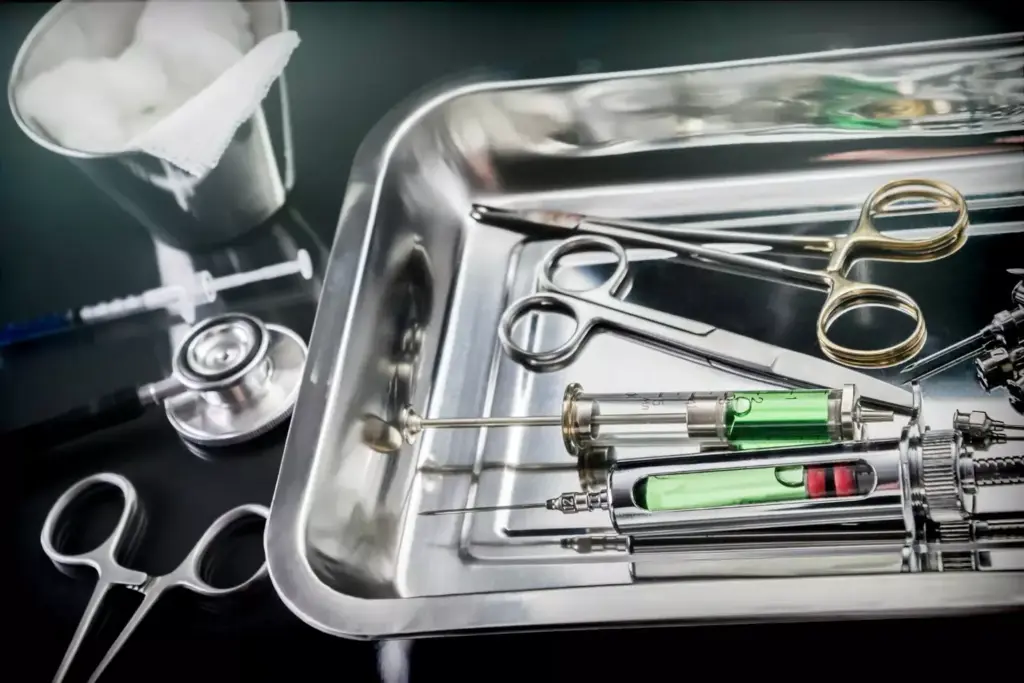
Surgical procedures rely on precision, skill, and the proper use of specialized tools. Inside every operating room, surgical instruments play a critical role in helping medical professionals perform procedures safely and efficiently. From making incisions to controlling bleeding and suturing wounds, each instrument serves a unique purpose that contributes to successful patient outcomes.
For those unfamiliar with the surgical environment, the variety of tools can seem overwhelming. However, understanding the basics of common surgical instruments provides valuable insight into the science and organization behind modern medicine.
The Importance of Surgical Instruments
Surgical instruments are carefully designed to assist surgeons during operations. They improve accuracy, reduce tissue damage, and help maintain sterile conditions throughout procedures. High-quality instruments are essential because even minor flaws can impact surgical precision and patient safety.
Manufacturers use durable materials such as stainless steel to ensure instruments withstand repeated sterilization and heavy use. Advanced production methods, including vacuum heat treating, help strengthen instruments and improve resistance to corrosion and wear.
Cutting and Dissecting Instruments
One of the most recognized categories of surgical tools includes cutting and dissecting instruments. These tools allow surgeons to make precise incisions and separate tissues during procedures.
Scalpels
Scalpels are among the most commonly used surgical instruments. They feature extremely sharp blades designed for accurate cuts. Surgeons often use disposable blades to maintain sterility and ensure maximum sharpness during operations.
Different blade shapes are used depending on the procedure. Some are designed for long incisions, while others allow for delicate and detailed work.
Surgical Scissors
Surgical scissors are another essential cutting instrument. They are used to cut tissues, sutures, and surgical materials. Common types include Mayo scissors for thicker tissue and Metzenbaum scissors for delicate tissue dissection.
The design of surgical scissors allows surgeons to maintain control and minimize unnecessary trauma to surrounding tissue.
Grasping and Holding Instruments
Many procedures require instruments that securely hold tissues or surgical materials in place.
Forceps
Forceps function similarly to tweezers and are used to grasp tissues, dressings, or small objects. Some forceps are designed with teeth for a stronger grip, while others have smooth tips to prevent tissue damage.
Surgeons often rely on forceps for precision handling during delicate procedures.
Hemostats
Hemostats are clamping instruments used to control bleeding by sealing blood vessels temporarily. They feature locking mechanisms that allow them to stay securely in place during surgery.
These instruments are especially important for maintaining visibility in the operating field and reducing blood loss.
Retracting Instruments
Retractors help surgeons hold back tissues, organs, or incisions to improve visibility and access to the surgical site.
Hand-Held Retractors
Hand-held retractors are operated manually by surgical assistants. They are commonly used in smaller procedures where temporary retraction is needed.
Self-Retaining Retractors
Self-retaining retractors can remain in place without continuous assistance. These instruments help improve efficiency during lengthy procedures and allow surgeons to work more freely.
Retractors come in various shapes and sizes depending on the area of the body being treated.
Suturing and Stapling Instruments
Closing wounds properly is a crucial step in surgery. Specialized instruments help surgeons reconnect tissues and promote healing.
Needle Holders
Needle holders are designed to grip surgical needles securely while sutures are placed. They provide stability and precision during stitching.
Because suturing often involves delicate movements, needle holders are carefully engineered for maximum control.
Surgical Staplers
In some procedures, surgical staplers are used instead of traditional sutures. These devices can close wounds quickly and consistently, reducing operation time in certain cases.
Staplers are commonly used in abdominal, thoracic, and gastrointestinal surgeries.
Suction and Visualization Tools
Maintaining a clear surgical field is essential during operations.
Suction Devices
Suction instruments remove blood, fluids, and debris from the surgical area. This improves visibility and helps surgeons work more accurately.
Surgical Cameras and Endoscopes
Minimally invasive procedures often rely on cameras and endoscopes to provide internal views of the body. These tools allow surgeons to perform complex procedures through small incisions, reducing recovery times for patients.
The Role of Sterilization
Sterility is critical in every operating room. Surgical instruments must undergo strict cleaning and sterilization processes to prevent infections and ensure patient safety.
Hospitals and surgical centers follow detailed protocols for handling, storing, and maintaining instruments. Proper sterilization not only protects patients but also extends the lifespan of valuable surgical equipment.
In Conclusion
Surgical instruments are the foundation of every successful operation. From scalpels and forceps to retractors and suction devices, each tool plays an important role in helping surgeons perform with precision and confidence.
Understanding these common instruments offers a greater appreciation for the complexity and organization of modern surgical care. As technology continues to advance, surgical instruments will remain essential in improving efficiency, enhancing safety, and supporting better outcomes for patients around the world.