


Last night you cleaned the kitchen. The trash is out. No crumbs on the counter, and yet somehow you noticed this morning a roach running behind the refrigerator.
Interestingly, this is the annoying fact that pest invasions are rare due to poor hygiene. They occur because pests are quite clever at exploiting vulnerabilities that most homeowners never bother to check. A hairline crack, a frayed door sweep, a clogged gutter, any one of these may be all the invitation a pest requires.
Ideally, the first step to permanently keeping pests out is to understand their actual entry points.
This article will deconstruct six of the most anticipated and underestimated points of entry in residential homes, and what you can do about each one.
1. Foundation Gaps and Hairline Cracks
Pest problems often start at the very base of your home—and for good reason. Tiny gaps and hairline cracks in your foundation can become hidden entry points for insects and rodents. This is especially true in areas like Bel Air, MD, where seasonal weather changes and humidity create ideal conditions for pest activity.
In situations like these, professional pest control in Bel Air, MD, is often necessary to prevent infestations from taking hold.
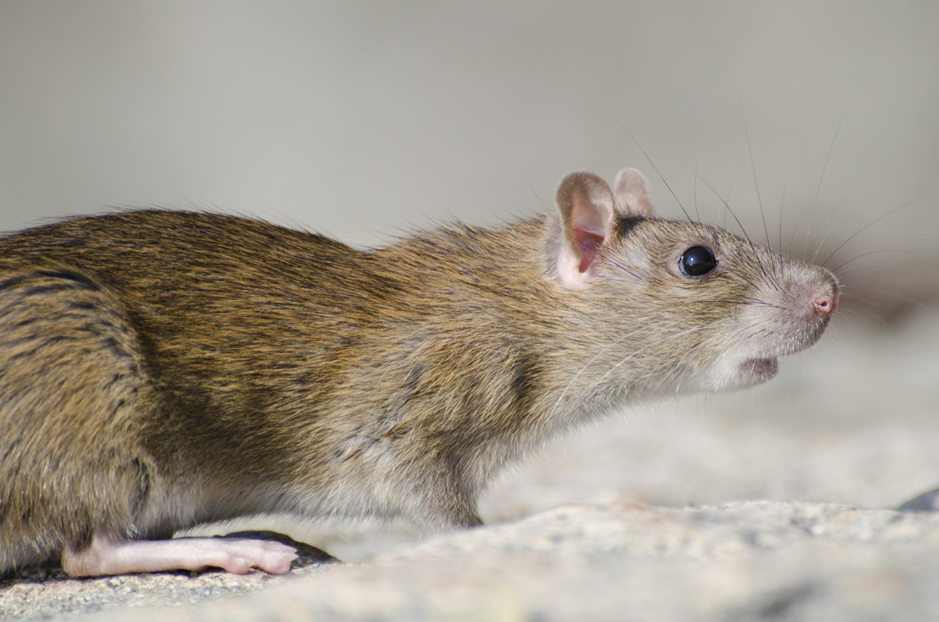
Even a hole as small as 6mm (about the diameter of a pencil) is large enough for a mouse to squeeze through. These openings are often invisible at a glance, making them easy to overlook until a problem develops.
The best way to prevent this is with a thorough exterior inspection. Check your foundation line for cracks, crumbling mortar, or gaps where the foundation meets the structure above. Sealing these early can prevent pests from getting inside.
2. Utility Penetrations — Pipes, Wires, and HVAC Lines
Any of the pipes, wires, cables and HVAC lines that lead to the interior of your home are potential points of entry- and in most homes, the penetrations are much less sealed than they appear.
Older houses that have had their plumbing, internet cables or modern HVAC systems retrofitted throughout the decades are particularly susceptible. With every retrofit, a new route is established that the pests can use directly into the building.
Particularly, rodents are very skilled at taking advantage of such holes. Rats can squeeze through holes as small as 20mm, and once inside a wall cavity, they are free to move about the entire building.
3. Roof and Attic Vents
Some of the least considered pest entry points in residential houses include the roof and attic vents. Attic vents, soffit vents, ridge vents and gable-end vents must include an intact mesh or screening to act as a true barrier.
Gradually, that screening wears out, falls off the frame, or develops cracks at the edges – and when it gets a crack in it, it will invite not only insects but even wildlife.
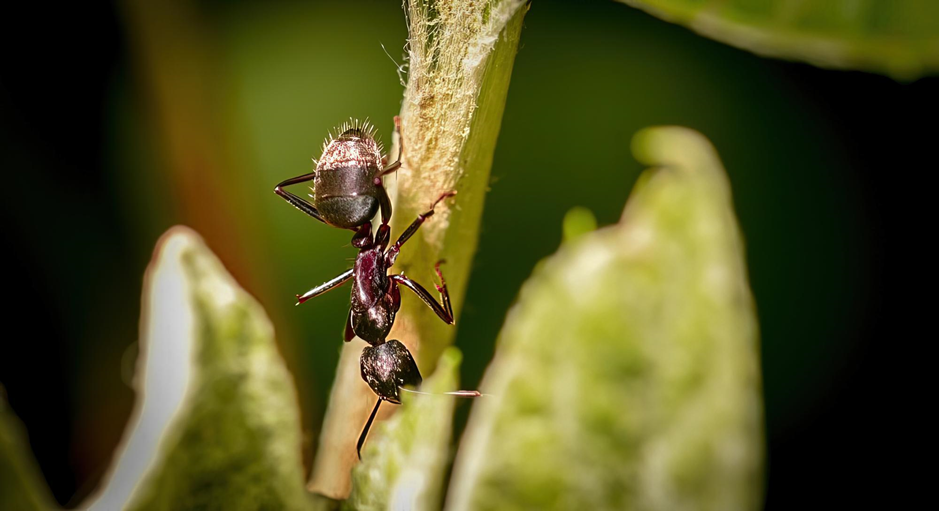
Common attic colonists that can gain access through compromised vent screening include wasps, bees, squirrels, and roof rats.
4. Door and Window Frame Gaps
It might seem ironic, but the frames around doors and windows are among the most consistently productive entry points for pests in any home. Weatherstripping becomes old-fashioned, door sweeps become threadbare, window screens develop small holes, and exterior caulking shrinks and pulls away from the wall over time.
Ants, silverfish, centipedes, and spiders regularly exploit these micro-gaps, which are barely visible to the human eye.
Changes in seasonal temperature and humidity hasten this degradation; for example, a seal that worked fine in the spring might develop a gap in the fall. It is necessary to regularly check all exterior frames.
5. Firewood, Mulch, and Landscaping Stored Against the Home
The sheltered, moist environments sought by termites, ants, rodents, and roaches are created by stacking firewood against an exterior wall, creating deep mulch beds near the foundation, and planting dense decorative plants along the home perimeter.
When the organic matter, mulch, litter, bark, etc., is directly against the foundation, it creates a habitat that is pest-friendly and is only a few inches outside the structural timber of your home.
The regulation is simple: firewood must be stored at least 20 feet from the building and elevated above ground. Pull mulch beds back from the foundation line and trim any vegetation in direct contact with exterior walls.
6. Gutters, Downspouts, and Standing Water
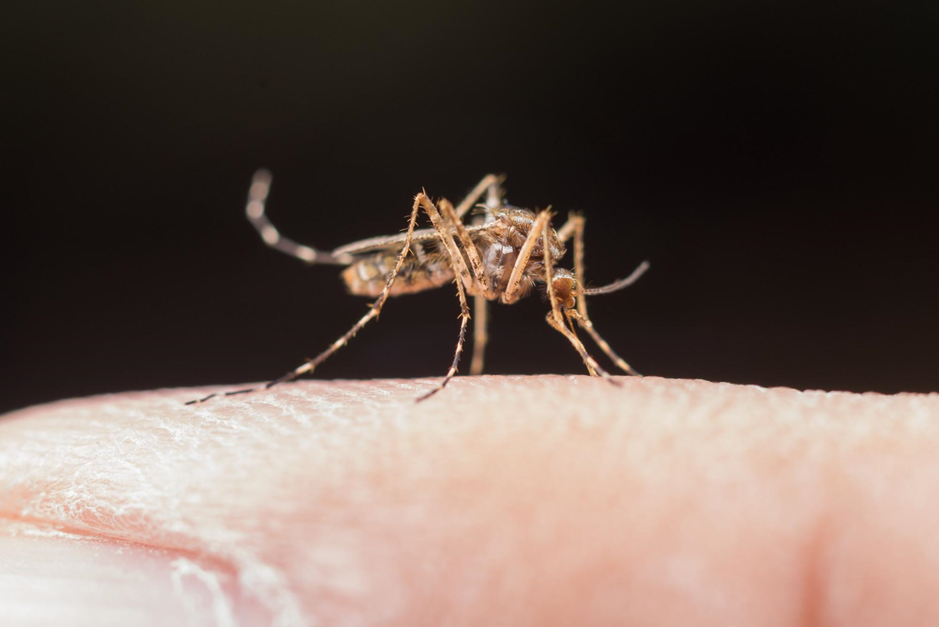
A pest issue that the majority of homeowners fail to recognize as such, and instead identify as a roofing issue, is clogged gutters. Standing water is one of the best breeding environments for mosquitoes that exists around a residential property.
Even a small segment of gutter with as little as half an inch of water can be infested with hundreds of mosquito larvae in 72 hours. Not just mosquitoes, but gutters full of decomposing leaf matter also attract ants, earwigs and moisture-seeking insects, who, in turn, travel along the roofline and into any available gap.
One of the easiest and most effective measures that a homeowner can take is to clean up gutters at least twice a year -and after any heavy seasonal leaf fall.
Final Thoughts
Pests do not require an open door or an obvious hole to enter the house. It requires no more than a worn door sweep, a gap around a pipe, a clogged gutter, or a pile of firewood against the wall. These are the type of little, very easily missed details which quietly become points of entry over time.
A combination of routine home repairs with professional seasonal services that focus on both the points of entry and the exact conditions on the ground in your house.
If you have already noticed the initial signs of a pest infestation, the quickest way to understand what you are dealing with and where it is originating is a professional inspection.