


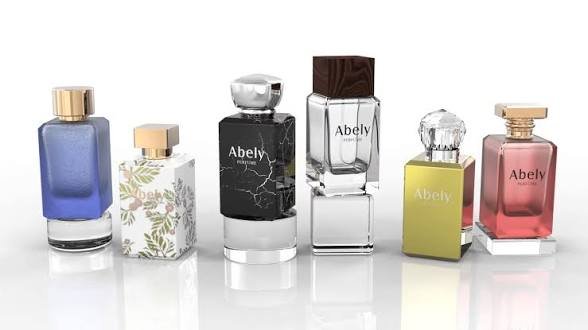
Walk into a perfume boutique in Dubai, New York, or Seoul, and something quietly different greets you in each city, not just the scents, but the objects that hold them. The bottles tell stories before the caps are ever removed. They carry the weight of cultural values, consumer expectations, and aesthetic traditions that have developed over generations. Understanding what makes fragrance packaging resonate in different parts of the world is one of the most fascinating threads in modern design thinking and Jarsking, through two thoughtful explorations on their blog, traces exactly that journey across the Middle East, the United States, and South Korea.
The Middle East: Where Every Bottle Is a Work of Art
The Perfume Bottle Design Trends in the Middle East, as explored through Jarsking’s dedicated blog piece, reveal a market unlike almost any other in the world. Here, packaging is not a commercial afterthought it is an integral part of the fragrance experience, steeped in history, ritual, and cultural pride.
Design inspiration flows directly from the region’s rich architectural heritage. Falcons draw on Islamic geometry, incorporating the arched forms of mosques, the latticed elegance of historic palaces, and the intricate symmetry that defines centuries of regional artistry. Moroccan-influenced bottles may feature delicate floral arabesques, while designs rooted in Gulf aesthetics often reflect the stark, commanding grandeur of desert architecture. Arabic calligraphy inscribed with poetry, blessings, or the perfume’s narrative transforms the surface of a bottle into a form of literature.
Materials and finishes are chosen to communicate opulence without restraint. Gold inlay, engraved glass, filigree metalwork, precious stones, and enamel detailing are standard considerations in the luxury tier not aspirational ones. Artisan post-processing techniques such as frosting, metallization, hot stamping, and intricate lacquering are especially resonant with regional consumers, for whom the richness of a finish signals the quality of what lies within.
Perhaps most distinctively, Middle Eastern consumers often treat their fragrance bottles as treasured objects to be displayed, collected, and even passed down as heirlooms. A bottle in this market is not discarded when empty it becomes part of the home, part of the family. That relationship between object and owner elevates packaging design into something closer to craft and legacy.
The United States: Brand Identity in Every Line
Across the Atlantic, Perfume Bottle Design Trends in the United States and South Korea tell a different story, one where the visual language of packaging is shaped less by ceremonial tradition and more by the demands of a fast-moving, brand-literate consumer culture.
In the American market, bottle design functions primarily as a commercial identity system. The container must communicate the brand’s personality instantly whether that’s the understated confidence of a niche house, the bold maximalism of a celebrity fragrance, or the clinical-clean of a wellness-oriented line. Clean silhouettes, transparent glass, and confident use of typography tend to define the contemporary mainstream, while premium brands layer in sculptural distinction to earn their shelf position.
Sustainability is increasingly embedded in American fragrance packaging decisions. Refillable systems, lightweight glass, and recycled material choices have moved from being differentiators to becoming baseline expectations among informed consumers. Brands that integrate these values into the visual design rather than relegating them to fine print are finding stronger resonance with modern buyers who want their purchases to reflect their values.
South Korea: Minimalism as a Digital-First Language
South Korea brings an entirely different sensibility to fragrance packaging, one that feels immediately at home on a phone screen. The aesthetic here is youthful, precise, and deeply informed by a digital-first culture that treats the unboxing moment and the “shelfie” as genuine extensions of brand experience.
Korean perfume packaging tends toward minimalism with intention not bareness for its own sake, but a studied restraint that allows each design choice to carry maximum weight. Clear glass is used to let the liquid itself become part of the visual, while subtle texture work, delicate proportions, and quiet color choices communicate a sense of calm luxury. The aesthetic is less “look at me” and more “look closely.”
The influence of K-beauty culture is significant here. South Korean consumers are accustomed to packaging that feels considered down to the last detail where even functional elements like caps and closures feel resolved rather than generic. This standard of finish has influenced fragrance packaging expectations in the same way it reshaped skincare, pushing even mid-tier products to present themselves with a level of polish once reserved for premium houses.
Reading the Room, Market by Market
What Jarsking’s dual exploration of these markets makes clear is that there is no universal answer to what makes perfume packaging work, only answers specific to culture, context, and consumer relationship. The opulence and ceremony of the Middle East, the brand-driven boldness of the United States, and the refined digital minimalism of South Korea each demand a different design vocabulary.
For fragrance brands building toward international growth, this kind of cultural literacy isn’t optional; it’s the difference between a bottle that feels made for its audience and one that merely holds the scent. Jarsking’s deep engagement with these regional nuances, combined with their design and manufacturing capabilities, positions them as a partner equipped to help brands speak the right visual language, wherever in the world that conversation is happening.