


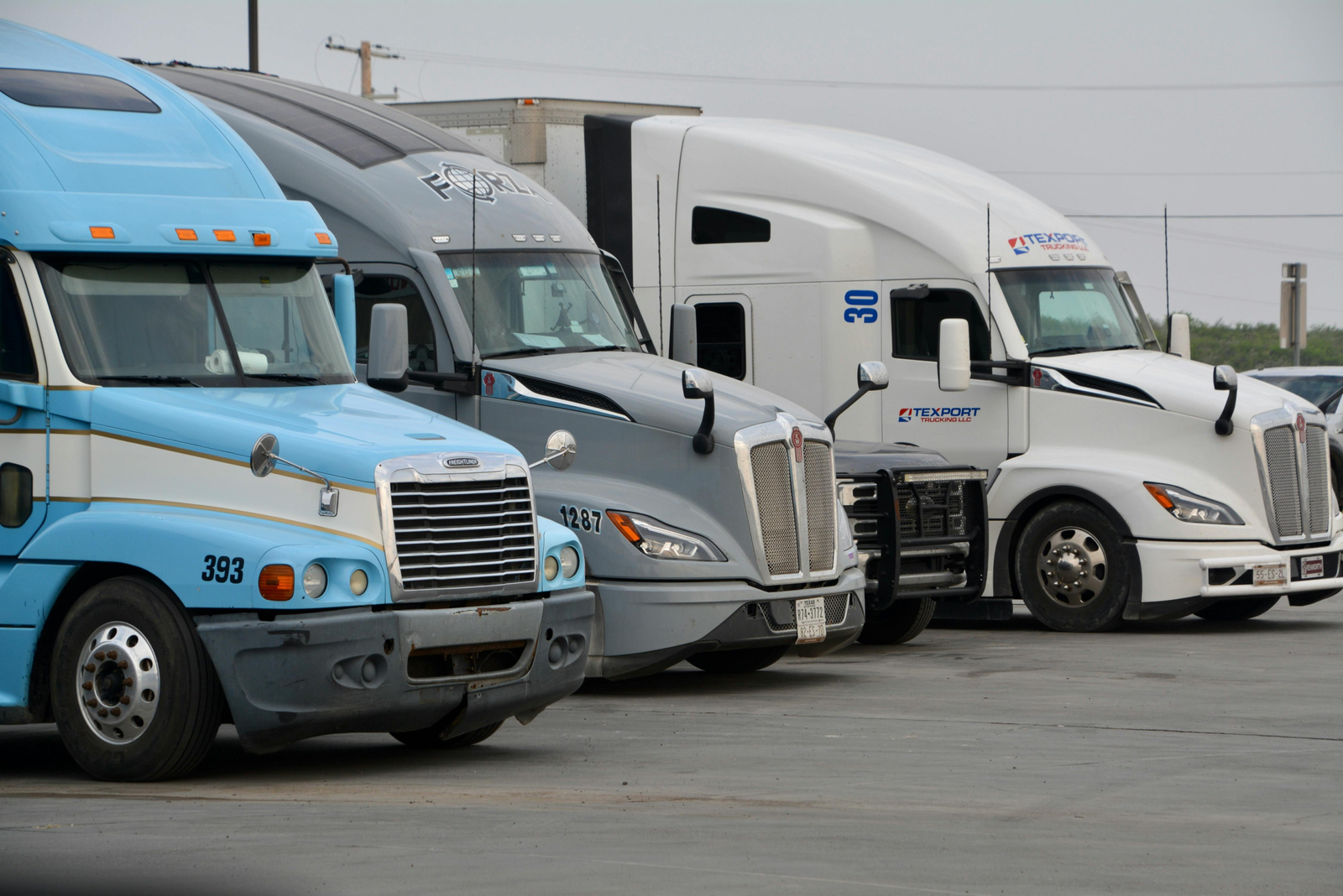
The trucking industry has always remained one of the core components of economic development, as it guarantees the on-time delivery of goods in any city, region, or country.
However, over the last few decades, significant shifts have occurred in the trucking industry due to economic, technological, and socio-cultural changes. Such changes affect the functioning of trucks and the work of drivers.
Given the growing need for more effective delivery services, adaptation to these changes is crucial. It is important to understand that various factors contribute to this process of change, ranging from workforce transformation to technology and other factors.
The following are five key influences behind change within the trucking industry.
- Driver Shortage and Workforce Shifts
One of the main reasons for changes in the trucking industry is the driver shortage. Several experienced drivers are retiring, and a few young people are entering this field. This causes an obvious workforce shortage, which may have negative consequences for operations, productivity, and development within the industry.
Because the occupation of truck drivers is associated with numerous challenges, including heavy workloads and long periods away from home, recruiting new people is difficult. To address this issue, companies need to reconsider their recruitment policies.
Moreover, diversity among truck drivers is becoming increasingly popular within the industry, a trend often discussed in trucking industry news.
- Technological Advancements and Automation
Technology is playing a significant role in helping the trucking business evolve. Innovations such as GPS, electronic log books, and sophisticated routing tools have made the operations of such businesses very efficient and accurate.
Automation is another development taking shape through technological advancement. Such technologies include self-driving trucks and other automated safety features. These developments make the processes more efficient by avoiding human error and reducing fuel usage.
However, it demands a lot from the driver to adjust to the new technology.
- Rising Operational Costs
The next major issue that affects the operation of the trucking industry is the increasing costs associated with operations.
Over the last several years, there were significant increases in such areas as fuel prices, maintenance costs, insurance, and equipment prices. Such factors make it difficult for both companies and individuals to operate. Increasing operating costs may pose a serious risk to the financial stability of any firm.
Therefore, it is necessary for companies to seek ways to reduce their costs. For example, route selection, the use of effective trucks, and other measures should be taken into account by every company’s management.
The continuing increase in operational costs is driving the industry to innovate and seek more sustainable ways to remain profitable. These economic factors are also affecting recruitment practices and labor policies in the trucking industry.
Firms with higher operating expenses may have little room to offer competitive compensation or perks, which could worsen the existing driver shortage. Small firms, in particular, may have difficulty acquiring new equipment and training programs due to limited budgets.
- Environmental Regulations and Sustainability Efforts
Environmental issues are gaining prominence in the trucking industry. With the imposition of tough environmental policies and the encouragement of clean technologies, there is an emphasis on sustainability, with the exploration of sustainable transportation modes such as electric and hybrid trucks.
Even though there are a few issues regarding cost and infrastructure, the trend towards environmental sustainability cannot be ignored. Sustainability will play a vital role in the future success of the trucking industry.
The adoption of environmentally friendly practices will give a company a distinct edge over its competitors while helping the world move towards reducing its carbon footprint.
- Evolving Supply Chain Demands
Finally, one of the main reasons the trucking industry has changed is the evolution of supply chains. As e-commerce grows and customers demand faster, more reliable shipping, logistics companies are under a lot of pressure. This pushes carriers to find better ways to make their operations faster, smarter, and more efficient to meet customer needs.
We can see this in new logistics methods, such as real-time shipment tracking, improved communication, and more flexible delivery options. Companies need to adapt their operations and use technology to meet these changing customer demands.
Being able to handle these demands is important for staying competitive in today’s business world. As supply chains become more complex, companies must work closely with warehouses, distribution centers, and other groups to ensure products reach customers on time.
Wrapping Up
The trucking industry is going through fast changes right now. These changes are driven by workforce issues, new technology, rising costs, environmental concerns, and shifting supply chain demands.
All of these factors are important to the industry’s future and require careful attention from companies and drivers. While these changes can create challenges, they also bring opportunities for growth.
By understanding these main factors and taking the right actions, the trucking industry can stay important and continue supporting global business.