


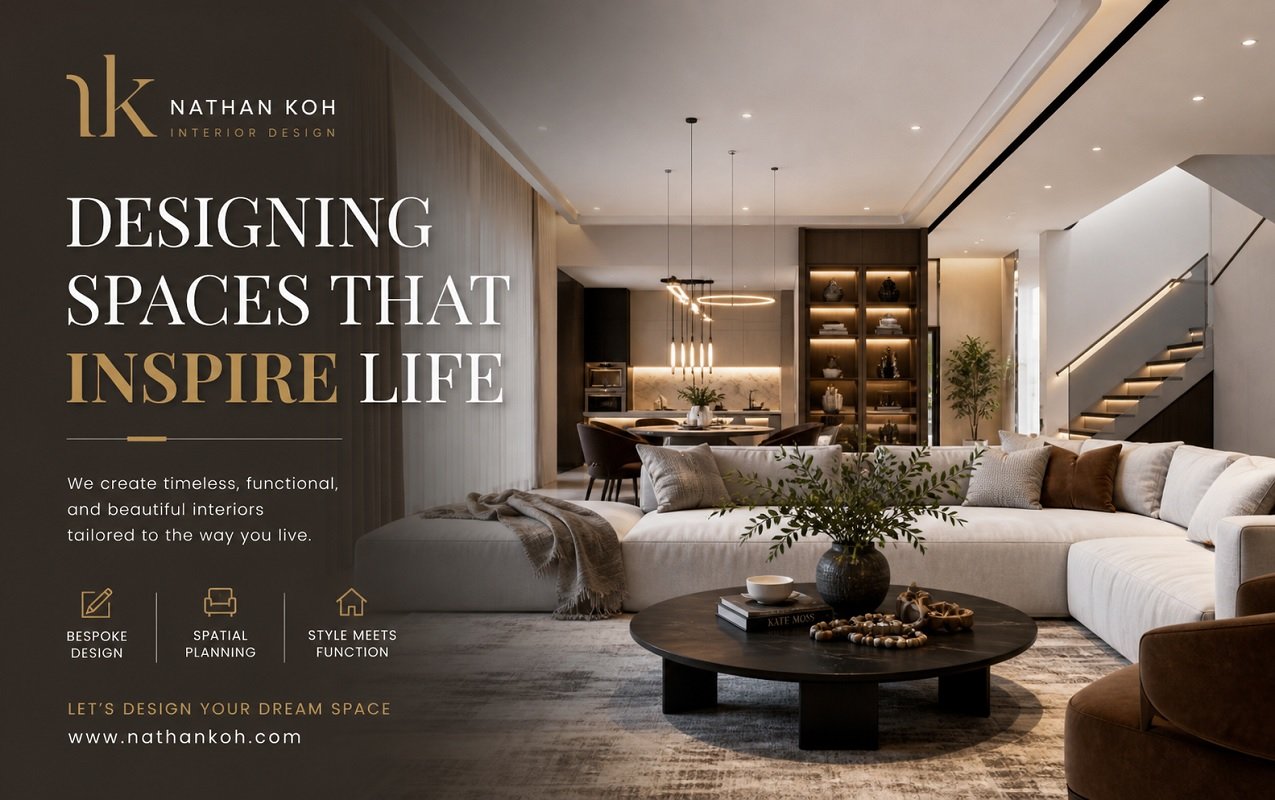
The Hidden Stress in Your Living Space
You walk through your front door after a long day, hoping to feel a sense of calm and relief. Instead, something feels off — a subtle tension that you cannot quite name but cannot ignore either. Your home interior design might be the silent culprit behind your daily stress. Most people never consider that the way their home looks and functions can directly influence their mental health, mood, and energy levels. From cluttered countertops to poor lighting choices, your surroundings speak louder than you think. Understanding this connection is the first step toward creating a space that truly supports your well-being.
Clutter Is More Than Just Mess
Many homeowners underestimate the psychological weight of clutter. When surfaces are stacked with unread mail, random objects, and forgotten items, your brain processes each one as an unfinished task. This constant low-level stimulation keeps your nervous system in a mild state of alert, making true relaxation nearly impossible. Research in environmental psychology consistently shows that disorganized spaces elevate cortisol levels — the body’s primary stress hormone. Even if you have grown used to the mess, your mind has not. Tackling clutter is not just about aesthetics; it is about reclaiming mental bandwidth and giving yourself permission to breathe freely inside your own home.
Wrong Colors Can Drain Your Energy
Color psychology plays a powerful role in how we experience a room. Bright, aggressive colors like harsh reds or neon yellows might feel energizing at first glance, but prolonged exposure can lead to overstimulation and irritability. On the other hand, cold, stark whites and grays without warmth can create feelings of emptiness or sadness. The colors you choose for your walls, furniture, and décor set the emotional tone of every room. Warm neutrals, soft blues, sage greens, and earthy tones are known to promote calm and comfort. Choosing colors intentionally rather than impulsively can transform how you feel the moment you enter a space.
Poor Lighting Destroys the Mood
Lighting is one of the most overlooked elements in residential spaces, yet it has an enormous impact on how a room feels. Harsh fluorescent overhead lights can create a clinical, uncomfortable atmosphere that puts the body on edge. Conversely, spaces that are too dim strain the eyes and contribute to fatigue and low mood. Layered lighting — combining ambient, task, and accent sources — gives you control over the emotional temperature of your rooms throughout the day. Warm-toned bulbs in the evening support the body’s natural wind-down process, while bright, cool-toned light in workspaces boosts focus and alertness without causing unnecessary tension.
Furniture Layout Affects How You Breathe
The arrangement of your furniture does more than define traffic flow — it shapes how safe and comfortable you feel in your own space. A sofa placed with its back to the main entry can unconsciously trigger a low-level sense of vulnerability. Oversized furniture crammed into a small room creates visual noise that makes the space feel suffocating. Leaving enough negative space — the empty areas between objects — allows the eye to rest and the mind to decompress. Think of your furniture layout as a conversation between function and feeling. When both are in harmony, movement through your home becomes effortless and stress begins to dissolve naturally.
How Home Interior Design Shapes Daily Routines
A thoughtfully planned home interior design can either support or sabotage your daily habits and routines. If your morning routine involves searching for keys, struggling with a cramped bathroom counter, or navigating a chaotic kitchen, stress accumulates before your day even begins. Designing your home around the way you actually live — rather than how you think it should look — is a game-changer. Dedicated zones for specific activities, smart storage solutions, and clear pathways reduce decision fatigue and physical frustration. When your environment anticipates your needs, you move through your day with greater ease, efficiency, and a noticeably calmer state of mind.
Noise and Acoustics Are Often Ignored
Sound is a dimension of interior design that most homeowners rarely think about until it becomes unbearable. Hard floors, bare walls, and high ceilings create echo-heavy environments where every conversation, footstep, and notification sounds amplified. This constant auditory stimulation contributes to a feeling of chaos even in a visually tidy home. Soft furnishings like rugs, curtains, upholstered furniture, and wall art with fabric elements all help absorb sound and create acoustic warmth. Even adding bookshelves filled with books can dramatically reduce echo. Addressing the sound quality of your home is a simple yet deeply effective way to lower your overall stress threshold.
Nature Deprivation Inside Four Walls
Humans are biologically wired to feel calmer and more focused in the presence of natural elements. When a home is entirely devoid of plants, natural materials, and organic textures, it can quietly fuel a sense of disconnection and unease. Biophilic design — the practice of incorporating nature into interior spaces — has gained significant attention from wellness researchers and designers alike. Adding even a few houseplants, wooden furniture, stone accents, or natural fiber textiles can shift the emotional quality of a room dramatically. Natural light from unobstructed windows further supports this connection. Your home does not need to feel like a forest, but it should feel alive.
The Chaos of Unfinished Design Projects
Few things drain mental energy quite like an unfinished room. The half-painted wall, the curtain rod still in its packaging, the rug rolled up in the corner — these incomplete projects create a persistent undercurrent of visual and psychological tension. Every time you pass an unfinished area, your brain registers it as something that needs attention. Over time, these micro-reminders accumulate into a significant source of background stress. Prioritizing completion over perfection is a healthier approach. A fully functional, cohesive room — evens a simple one — will always feel more restful than an aspirational space frozen halfway between vision and reality.
The Role of Personal Meaning in Design
Spaces filled with objects that have no personal significance can feel hollow and uninspiring despite looking visually polished. On the other hand, surrounding yourself with items that carry memory, meaning, or emotional connection creates an environment that genuinely feels like home. The key is balance — too many sentimental items tip into hoarding territory, but too few create a sterile, hotel-like atmosphere. Curating your space with intention means asking whether each object earns its place emotionally and functionally. When your home reflects who you actually are rather than a trending aesthetic, the result is a deeper sense of belonging and a quieter, more grounded daily experience.
How a Refreshed Home Interior Design Restores Peace
Revisiting and refreshing your home interior design does not require a complete renovation or a large budget. Sometimes the most impactful changes are the simplest — rearranging furniture, repainting one accent wall, decluttering a single drawer, or swapping out harsh light bulbs for warmer ones. The goal is to create an environment that actively works in your favor rather than against you. Small, intentional shifts build momentum and gradually transform how your home feels on a sensory and emotional level. Think of it as an ongoing conversation with your space rather than a one-time project. Your home should evolve as your life and needs evolve.
Bedroom Design and Sleep Quality
Your bedroom is the single most important room when it comes to stress management, yet it is often where design mistakes are most concentrated. Electronics, work-related items, and stimulating colors in the bedroom signal to your brain that the space is for activity rather than rest. A sleep-friendly room prioritizes darkness, coolness, minimal visual stimulation, and sensory comfort. Blackout curtains, a neutral color palette, quality bedding, and the absence of screens can radically improve sleep quality. Better sleep, in turn, lowers your baseline stress levels throughout the day. Protecting the bedroom as a true sanctuary is one of the highest-return investments you can make in your well-being.
When to Seek Professional Guidance
Sometimes the stress rooted in your living space runs deeper than a few quick fixes can address. If you find yourself repeatedly frustrated by the same rooms or unable to pinpoint why your home feels uncomfortable despite your efforts, a professional interior designer can offer perspective that is difficult to see from the inside. Professionals bring spatial awareness, color expertise, and product knowledge that can save you time, money, and ongoing frustration. More importantly, they design with intention — creating spaces that serve both the eye and the nervous system. Investing in professional guidance is investing in the quality of your daily life, one room at a time.
Small Changes, Big Emotional Impact
Transforming a stressful home into a restorative one rarely happens overnight, and that is perfectly fine. The journey itself — noticing what drains you, experimenting with solutions, and celebrating small wins — is deeply empowering. Start with the room where you spend the most time and address the most obvious friction points first. Track how the changes affect your mood, energy, and sleep. Over weeks and months, you will begin to see a clear pattern: a more thoughtfully designed home genuinely produces a calmer, more focused, and more joyful version of yourself. Your environment is not just a backdrop to your life — it is an active participant in it.
Elliot Graye is a passionate home interior design and home improvement writer specializing in residential styling, room transformation, and décor curation. He delivers warm, approachable content that empowers homeowners to make confident design decisions — from choosing the right color palettes and furniture arrangements to creating cohesive, inviting living spaces that reflect personal style.