


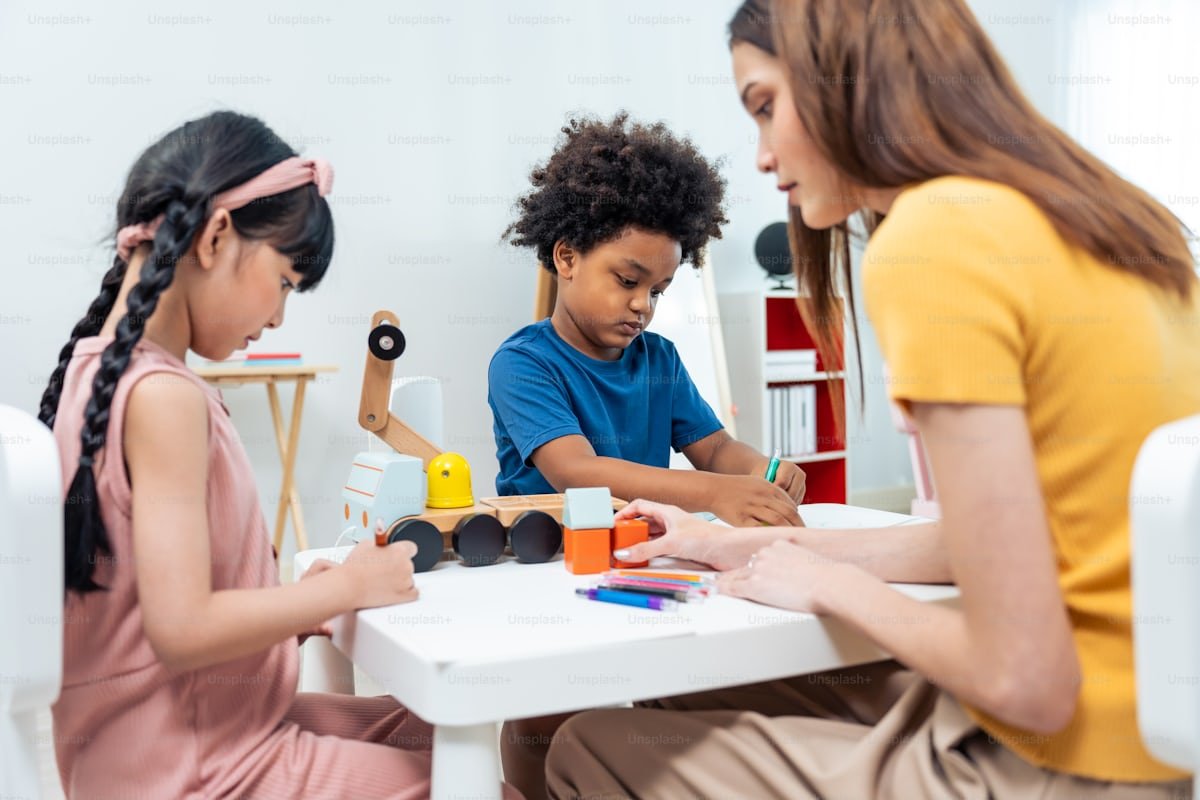
When a family first reaches out to an autism centre, the focus is usually on the child. Parents have observed challenges that concern them, they may have received a diagnosis, and they are seeking professional support to help their child develop skills, build independence, and navigate the world more successfully. This focus on the child is appropriate and important, but it tells only part of the story of what quality autism support actually involves. The reality is that autism affects the entire family system.
It shapes daily routines, influences how siblings interact, affects marital relationships, changes extended family dynamics, and creates emotional demands on parents that can be exhausting and isolating. A truly effective autism centre recognizes this broader reality and provides support that extends beyond the child to encompass the whole family, because helping the family function well is ultimately what creates the conditions for the child to thrive.
This whole-family approach is not about treating parents or siblings as patients. It is about recognizing that the environment surrounding the child has an enormous impact on the effectiveness of any therapy the child receives, and that families who feel supported, informed, and empowered create the conditions under which therapeutic gains translate into real-world improvements in daily life. Families who feel overwhelmed, isolated, or excluded from their child’s programming often struggle to maintain the consistency and follow-through that make therapy effective. The best autism centres understand this and build their programming around the needs of the family as a whole, not just the individual child who walks through the door for sessions.
The Emotional Journey Parents Navigate
For parents of a child with autism, the journey often begins with a period of uncertainty and concern, followed by the emotional weight of receiving a diagnosis, and then the long process of figuring out what to do next. Each stage carries its own challenges. The pre-diagnosis period can involve months or years of worrying that something is different about their child without knowing what it is, navigating conflicting opinions from family members and professionals, and wondering whether they are overreacting or underreacting.
The diagnosis itself, when it comes, brings a complex mix of relief (finally having an explanation), grief (adjusting to a different future than the one they had imagined), and urgency (wanting to do everything possible to help their child as quickly as possible).
The post-diagnosis period introduces a whole new set of challenges: researching therapy options, navigating funding systems, figuring out which providers to trust, managing appointments and schedules, and doing all of this while continuing to meet the everyday demands of parenting and daily life. This is where a quality autism centre makes an enormous difference, not just in the clinical services provided to the child but in the guidance and emotional support offered to parents who are trying to make their way through an unfamiliar and emotionally charged landscape. Centres like BONDS Autism Centre recognize that parents arriving for their first consultation are often carrying significant emotional weight, and the way they are received at that initial meeting sets the tone for everything that follows.
Parent Training and Empowerment
One of the most valuable services a quality autism centre provides to families is structured parent training that teaches caregivers how to support their child’s development outside of therapy sessions. The hours a child spends in formal therapy each week are only a small fraction of their total waking hours, and the gains made in those sessions are most durable when they are reinforced throughout the child’s daily routines at home, in the community, and in other environments.
Parents who understand the principles behind their child’s therapy, who know how to implement specific strategies consistently, and who have the confidence to adapt those strategies to real-world situations become active partners in the therapeutic process rather than passive observers waiting for the therapist to fix things.
Effective parent training covers practical techniques for managing challenging behaviors, teaching new skills, creating predictable routines, reinforcing positive behaviors, and responding to the communication attempts the child is making. It also addresses the broader question of how parents can build their own confidence and reduce their own stress while parenting a child with complex needs.
Training is typically delivered through a combination of individual coaching sessions with the clinical team, group workshops where parents can learn alongside others in similar situations, and written resources that parents can reference at home when questions arise. When parent training is done well, it transforms the family dynamic from one of uncertainty and reaction to one of confidence and intentional action.
Supporting Siblings
The siblings of children with autism occupy a unique position within the family that is often overlooked in discussions of autism support. They experience the family’s focus on their brother or sister, they adjust their own needs and expectations around the household dynamics, they sometimes take on caregiving responsibilities beyond their age, and they navigate complicated emotions including love, frustration, pride, embarrassment, and guilt.
Research has shown that siblings of children with autism often benefit enormously from explicit support that acknowledges their experiences and gives them space to process their feelings without feeling like they are burdening their parents or diminishing the needs of their sibling.
Quality autism centres address this dimension through a variety of approaches. Some offer sibling support groups where brothers and sisters of children with autism can connect with peers who understand their experience.
Others provide family counseling services that help parents and siblings communicate about the impact of autism on the family and develop shared strategies for navigating challenges. Still others offer educational resources specifically designed for siblings, helping them understand autism in age-appropriate terms and giving them practical tools for interacting with their brother or sister. The specific approach matters less than the recognition that siblings deserve attention in their own right, not just as appendages to the child receiving services.
Building Community Among Families
One of the most valuable but least visible benefits of a good autism centre is the community it creates among the families it serves. Parents of children with autism often feel isolated from their peers whose children are developing typically, because the challenges they face and the priorities that shape their daily lives are different from those of their broader social circle.
Connecting with other families who understand what it is like to plan a grocery trip around sensory challenges, to celebrate a small victory like a new word or a successful haircut, or to navigate a difficult conversation with a school administrator provides a kind of support that no professional can fully replicate. Centres like this centre that offer group programs, family events, and opportunities for parents to interact informally create the conditions under which these supportive relationships can develop organically.
Group programs for children also serve this community-building function on the family side. When children participate in social skills groups or recreational programs alongside peers, their parents often find themselves in the waiting area interacting with other parents in similar situations. These casual interactions, repeated over weeks and months, often develop into meaningful friendships and informal support networks that extend far beyond the formal programming the centre provides.
Parents exchange practical tips, recommend therapists and specialists, share information about funding opportunities, and provide the kind of peer support that only comes from people who genuinely understand the experience. The centre becomes more than a service provider. It becomes a gathering place for a community of families navigating similar journeys together.
Long-Term Partnership
The best autism centres treat their relationships with families as long-term partnerships rather than transactional service arrangements. A child who begins services at age three may continue working with the same centre through adolescence and into young adulthood, and the nature of the support provided evolves as the child grows and the family’s needs change. What works for a toddler learning foundational communication skills is different from what a teenager needs as they navigate social relationships and prepare for greater independence.
Centres that maintain continuity of relationship across these transitions, adapting their programming and support to match the family’s changing needs, provide something that fragmented or short-term services cannot replicate.
For families considering which autism centre to work with, the question of whether that centre genuinely supports the whole family, not just the child, is one of the most important factors to evaluate. Centres that offer only direct therapy services for the child, without parent training, sibling support, community building, or the kind of relational depth that sustains families through difficult periods, may provide adequate clinical care but miss the broader opportunity to strengthen the family system in ways that benefit everyone.
The centres that do this well become genuine partners in the family’s journey, and the families who find them often describe the experience as transformative for reasons that extend well beyond the specific skills their child has learned.