


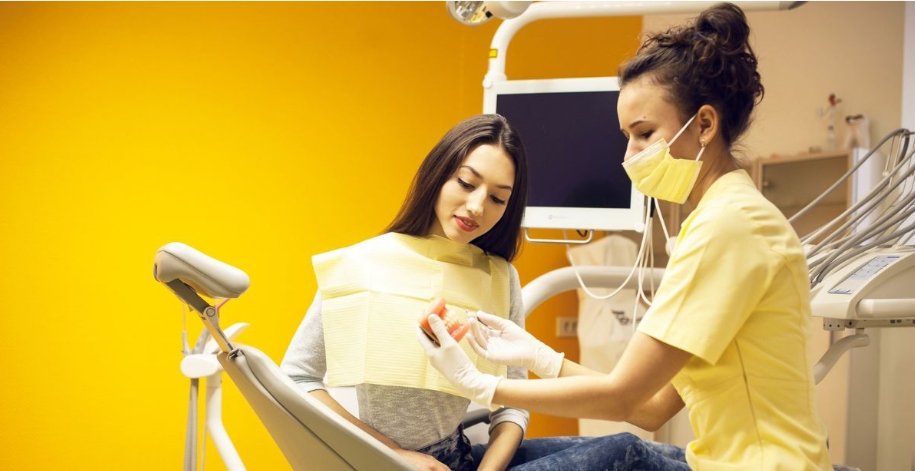
Modern dentistry has changed a lot in recent years. Dental hospitals now use high-tech tools to make treatments safer, quicker, and more comfortable for patients. Many people feel nervous before visiting a dentist, but advanced equipment helps reduce pain, shorten waiting times, and improve results. This shift has made major procedures easier for both doctors and patients.
As dental hospitals continue to upgrade their methods, patients now receive clearer diagnoses, better outcomes, and smoother treatment experiences. This article explores how advanced technology is transforming dental care, why it matters, and how it helps hospitals deliver faster and safer treatments every day.
The Rise of High-Tech Dentistry
How Technology Shapes Modern Dental Hospitals
Dental care used to depend heavily on manual tools. Today, machines and digital systems guide dentists more accurately. For example, digital screens show clear pictures of your teeth, allowing the dentist to see problems early. Machines used in modern clinics also reduce human error, making treatments more dependable.
Why Dental Hospitals Lead These Changes
Hospitals treat a large number of patients daily. Because of this, they invest in better tools and systems. Many people trust hospitals because they offer wide treatment options, advanced equipment, and experienced specialists. This combination helps create safer conditions for complex procedures.
Digital Imaging Improves Diagnosis
The Shift From Traditional X-Rays to Digital X-Rays
Old-style X-rays took time to develop and sometimes lacked clarity. Digital X-rays changed that completely. They provide sharp images instantly, helping dentists spot tooth decay, infections, and other problems faster.
Benefits of Digital Imaging
Digital X-rays expose patients to far less radiation. They also make it easy for the dentist to zoom in and examine small areas. This leads to earlier detection and more effective planning.
Cone Beam CT Scans for Detailed Views
Cone Beam CT scans create 3D images of the jaw, teeth, nerves, and bones. This type of scan is important for implants, root canals, and surgeries. Dentists can see exactly where nerves and bone gaps are located, helping them plan treatments with high accuracy.
Laser Dentistry: Gentle and Precise
What Lasers Do in Dental Care
Lasers have changed the way dentists treat gum disease, tooth decay, and soft tissue issues. They use concentrated light to remove damaged tissue or bacteria with minimal discomfort.
Why Patients Prefer Laser Dentistry
Laser-based procedures often cause less bleeding. They also shorten healing time because the light seals blood vessels as it works. Patients experience less swelling and can return to normal activities sooner.
CAD/CAM Technology for Same-Day Restorations
Faster Dental Crowns and Bridges
In the past, getting a crown or bridge took multiple visits and temporary fittings. CAD/CAM technology (computer-aided design and manufacturing) allows dental hospitals to create crowns on the same day. A digital scanner captures your tooth shape, and the machine mills a perfect restoration within hours.
Benefits of CAD/CAM Restorations
These restorations fit well because the computer designs them with precision. Patients also avoid messy impressions and multiple appointments. The entire process is comfortable and efficient.
3D Printing in Dentistry
Creating Accurate Dental Models
3D printers create dental models, aligners, and surgical guides with high accuracy. They also help dentists test procedures before performing them.
How 3D Printing Helps Doctors and Patients
Doctors can predict outcomes more clearly, while patients receive better-fitting appliances. The process saves time and improves treatment planning.
Smart Sterilisation Systems
Keeping Tools Clean and Safe
Advanced sterilisation units now monitor temperature and pressure levels automatically. They clean and disinfect instruments more consistently than older systems.
Why This Matters for Patients
Clean instruments reduce the risk of infection. When dental hospitals upgrade to smart sterilisation machines, they protect patients and maintain high safety standards.
Intraoral Scanners for Comfortable Impressions
No More Messy Moulds
Intraoral scanners replace old moulding materials. Dentists move a small wand inside your mouth, capturing detailed images of your teeth.
Benefits of Digital Impressions
The scanner produces a 3D model that helps with braces, crowns, and aligners. Patients feel more comfortable because no putty material is needed. The process is faster and more accurate.
AI and Computer-Guided Dentistry
Artificial Intelligence Helps Spot Problems Early
AI systems analyse X-rays and scans to identify cavities, infections, and alignment issues. They assist dentists in spotting problems that might be missed by the human eye.
How Computer-Guided Surgery Improves Accuracy
Computer-guided tools help dentists place implants with high precision. Before surgery, they use a digital guide to plan the exact angle and depth. This improves safety, shortens surgery time, and helps with quicker recovery.
Advanced Equipment for Pain Control
Modern Anaesthesia Systems
Dental hospitals now use better anaesthesia monitors to track patient comfort. These devices give dentists more control, making procedures smoother.
Needle-Free Options
Some machines deliver anaesthesia through air pressure instead of needles. This reduces fear and helps young or anxious patients stay relaxed.
Automated Patient Monitoring Systems
How Monitoring Enhances Safety
During longer treatments or surgeries, machines track vital signs like heart rate and oxygen levels. This helps the dental team act quickly if something changes.
Why This Matters in a Dental Hospital
Large hospitals handle multiple cases, including complex ones. Automated monitoring helps maintain higher safety standards for every patient.
Digital Patient Records and Workflow
Organised and Efficient Care
Dental hospitals use digital records to store medical histories, X-rays, and treatment plans. This helps doctors access everything in seconds.
Faster Coordination
When different specialists need to work together, digital files save time and prevent confusion. The entire team stays updated, providing smoother care.
How Technology Makes Dental Care Safer
More Accurate Procedures
Machines such as scanners, lasers, and imaging systems help dentists diagnose and treat conditions with greater precision. With clear images and detailed scans, the chance of error decreases.
Fewer Complications
Advanced planning and digital guides help avoid nerve damage or misalignment during surgeries. Patients also recover faster because newer tools cause less trauma.
How Technology Makes Dental Care Faster
Reduced Waiting Time
Many treatments that once required multiple visits can now be completed in one day. Digital impressions and in-house milling machines save time for both the dentist and patient.
Quicker Healing
Laser dentistry, advanced sterilisation, and careful planning reduce swelling and pain. This helps patients return to routine faster.
Why Patients Choose Dental Hospitals with Modern Technology
Better Experience
A hospital that invests in advanced tools shows strong commitment to patient care. People often pick hospitals that provide accurate diagnosis, comfortable treatments, and shorter visits.
Improved Trust and Results
Patients appreciate when their dentist explains how machines improve their treatment. This confidence helps them feel secure and well-cared for. Many people searching for the best dental hospital in Delhi choose centres that offer these modern tools, better safety measures, and experienced specialists.
Technology and Skilled Specialists Work Together
Teamwork for Better Treatment
Even with advanced machines, skilled dentists play the biggest role. Technology supports their work, helping them plan and perform procedures with confidence.
Why This Combination Matters
When expert dentists use the latest tools, patients get better outcomes. This balance of skill and technology helps hospitals stand out. People often look for the best dental hospital in Delhi because they want reliable care backed by modern methods.
Conclusion
Advanced technology has changed dental hospitals for the better. From digital X-rays to lasers and AI tools, these machines help dentists perform safer and faster treatments. Patients enjoy shorter visits, quicker healing, and accurate results.
As dental hospitals continue to improve their tools and skills, more people can look forward to comfortable and effective care during every visit.