


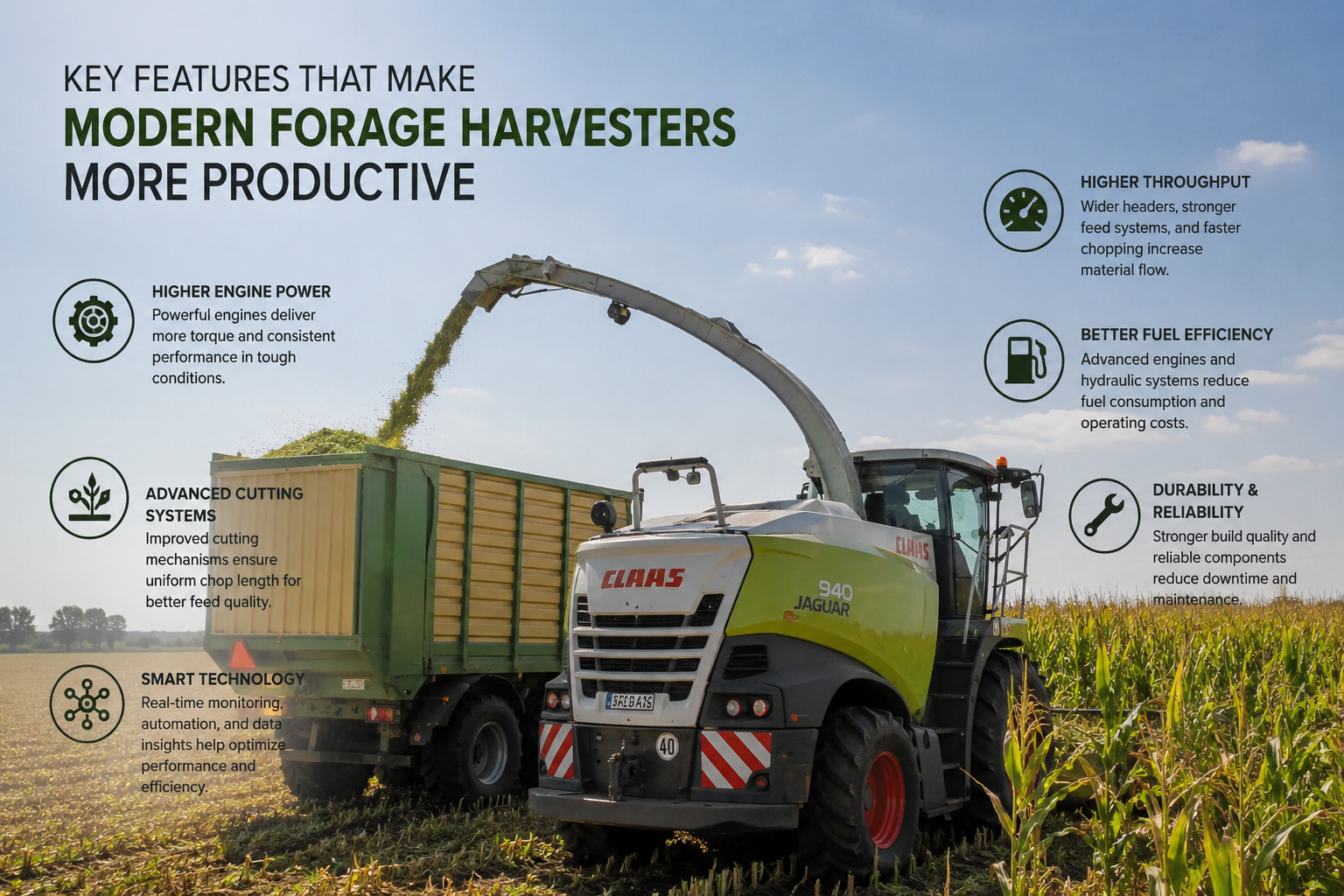
Disc vs. Drum Cutterhead Designs
The heart of any forage harvester’s cutting ability lies in its cutterhead. Two main designs dominate: the disc cutterhead and the drum cutterhead. Disc cutterheads, often found on higher-end machines, use rotating discs with knives. They tend to provide a more precise and uniform cut, which is especially beneficial for tough crops like corn. While they might come with a higher initial cost, their durability and consistent performance make them a solid investment for many operations. Drum cutterheads, on the other hand, feature fixed knives on a simpler drum. They are generally more budget-friendly but can sometimes struggle with consistency, particularly when operating at high speeds. The choice between these designs really depends on the specific crops being harvested and the desired cut quality.
Knife Technology and Wear Protection
Beyond the cutterhead design itself, the knives and how they’re protected play a huge role in performance and longevity. Modern forage harvesters often feature advanced knife technology, like triple-screw V-FLEX blades, designed for better shredding and reduced power draw. Many manufacturers also apply thick anti-wear coatings to the knives. This not only extends their useful life significantly but also helps cut down on operating costs over time. Some machines even allow for adjustments to knife sharpening and the distance to the counterblade, which can be done right from the operator’s seat. This kind of wear protection is key to maintaining optimal cutting performance.
Adjustable Cutting Lengths for Diverse Needs
Being able to adjust the cutting length is a big deal for forage harvesters. Different crops and different end uses require different chop lengths. For instance, corn silage intended for livestock might need a longer chop (8-15 mm) for better digestibility, while material for biogas production often benefits from a shorter, more uniform cut (5-10 mm) to aid anaerobic digestion. Modern machines offer adjustable cutting lengths, often controlled hydraulically or electronically, with ranges typically from 3 mm up to 25 mm or more. Some advanced systems, like New Holland’s ActiveLOC, can even automatically adjust the cutting length based on crop moisture content. This adaptability ensures the harvested forage is perfectly prepared for its intended storage and use. Being able to fine-tune the cutting length is a hallmark of productive forage harvesting.
Leveraging Power and Capacity in Forage Harvesters
Engine Horsepower for Dense Crops
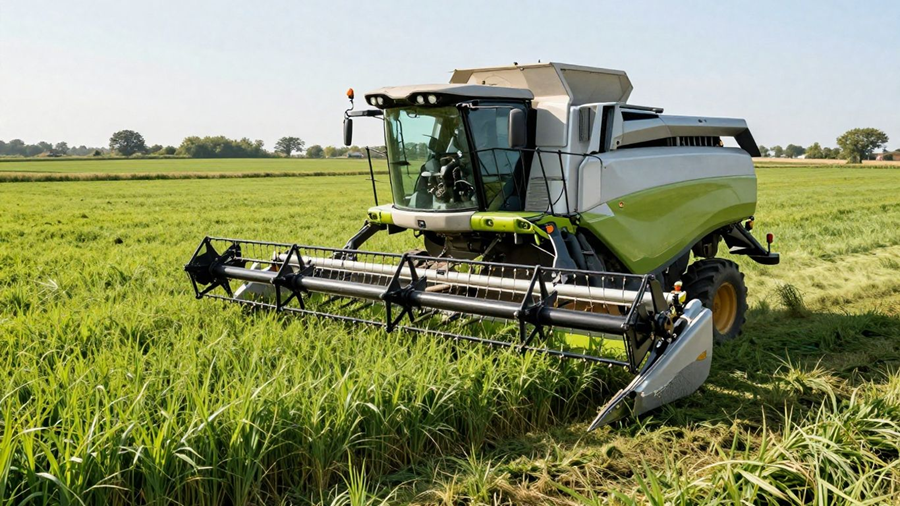
When you’re out in the field, especially with tough crops like corn silage, having enough engine horsepower is a big deal. It’s what lets the machine power through thick stands without bogging down. Modern harvesters often pack a serious punch, with self-propelled models easily topping 500 horsepower and some even going over 1,000 HP. This raw power means you can keep moving at a good speed, even when the crop is dense. It’s not just about speed, though; it’s about maintaining a consistent cut and processing quality. Without adequate engine power, the machine struggles, leading to uneven chopping and potential damage. So, when looking at a new harvester, pay close attention to the horsepower rating – it’s a direct indicator of its ability to handle challenging conditions.
Cutting Width for Increased Efficiency
Think of cutting width like the width of your path when you’re mowing. A wider cutting header means you cover more ground with each pass, which naturally speeds up the whole harvesting process. We’re talking headers that can be anywhere from 6 feet wide to over 12 feet. Of course, a wider header is great for large, open fields, but it can be a bit trickier to maneuver in smaller or irregularly shaped fields. It’s a trade-off, really. The goal is to find a balance that works for your specific farm layout and the types of crops you’re harvesting. A wider cutting width directly translates to more acres harvested per hour, making your operation more efficient overall. It’s a simple concept, but it has a huge impact on productivity.
Blower Capacity for Effective Distribution
Once the forage is chopped, it needs to be moved. That’s where the blower comes in. Its job is to throw the chopped material into a wagon or storage unit. The capacity of the blower dictates how far and how effectively it can do this. You want a blower that can handle the volume of material coming from the cutterhead and send it where it needs to go, whether that’s into a trailer alongside the harvester or up into a tall silo. Many machines have adjustable spouts, which helps direct the flow precisely, reducing spillage and making loading more accurate. A good blower system means less time spent repositioning wagons and a more organized harvest operation. It’s a key part of the machine’s overall capacity and how well it moves material efficiently.
Integrating Technology for Enhanced Forage Harvesting
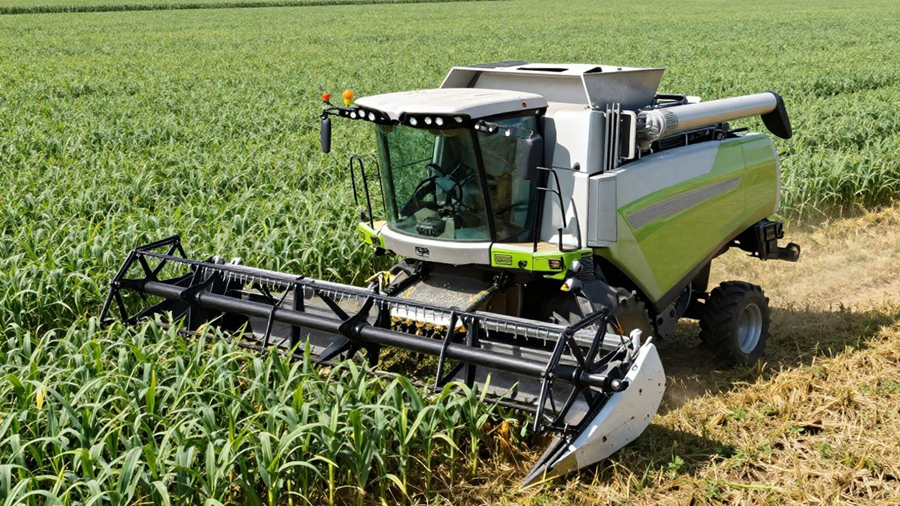
Modern forage harvesters are packed with tech that makes them work better and smarter. It’s not just about brute force anymore; it’s about using electronics and software to get the most out of every pass through the field. This integration helps operators manage the machine more effectively, leading to better crop quality and less waste.
Automation and Monitoring Systems
These systems are like giving the harvester a brain. They can automatically adjust things like cutting height or header angle based on field conditions. Onboard sensors keep an eye on crop flow, machine load, and even kernel processing. This real-time data helps prevent overloads and ensures a consistent chop. The goal is to reduce operator fatigue and improve overall harvest consistency.
Precision Agriculture Integration
Forage harvesters are increasingly connecting with GPS and farm management software. This allows for precise field mapping, yield tracking, and variable rate application of amendments if needed. Knowing exactly what’s happening in each part of the field helps in making better decisions for the next season. This level of detail is key for optimizing forage quality and quantity.
Real-Time Operator Adjustments
Operators can now make quick adjustments without stopping. Things like chopping length or blower spout direction can be changed on the fly using joysticks or touchscreens. This responsiveness is vital when dealing with changing crop conditions or different field areas. Being able to fine-tune settings in real-time means the harvester can adapt to whatever the field throws at it, improving the efficiency of the forage harvesting process.
Understanding Forage Harvester Configurations
When it comes to harvesting forage, the type of machine you use makes a big difference in how efficiently you get the job done. There are a few main ways these machines are set up, and each has its own set of pros and cons depending on your farm’s size and what you’re growing.
Self-Propelled Forage Harvesters
These are the big guns, essentially a complete harvesting unit all in one. They have their own engine, cutting gear, and wheels, meaning they don’t need a tractor to pull them. This makes them super productive for large fields and operations where speed is key. Because they’re self-contained, they often come with more advanced tech and better operator comfort, which is nice on long days. However, this all comes at a higher price tag and means more complex maintenance.
Pull-Type Forage Harvesters
These are the workhorses for many smaller to medium-sized farms. A pull-type forage harvester is hitched to a tractor and uses the tractor’s power take-off (PTO) to run. They’re generally more affordable upfront and easier to move around since you can just unhitch them. The downside is they’re not as fast as self-propelled models, and they put extra wear on your tractor. You’ll want to make sure your tractor has enough horsepower to handle the load, especially in tough crops.
Mounted Forage Harvesters
Mounted units attach directly to the back of a tractor. They’re a good middle ground, offering better maneuverability than pull-type harvesters, especially in tight spots or smaller fields. They also distribute weight well. The main limitations are that they require a tractor with specific mounting capabilities and generally have less chopping capacity compared to the larger, self-propelled machines. Choosing the right forage harvester configuration really comes down to matching the machine to your specific needs and resources.
Ensuring Durability and Longevity of Forage Harvesters
Wear Protection Features
Keeping a forage harvester running smoothly for years means paying attention to how its parts hold up. Many modern machines come with built-in features to fight wear and tear. Think about hard-facing on the knives, which makes them last longer before needing a sharpen. Some manufacturers also add replaceable wear plates in high-friction areas, like the blower housing or chute. Sealed bearings are another good addition, keeping dirt and moisture out where it can cause problems. These features aren’t just about making the machine last; they also mean less downtime during the busy harvest season. Investing in a forage harvester with good wear protection is a smart move for long-term productivity.
Maintenance Schedules and Practices
Sticking to a regular maintenance plan is key for any piece of farm equipment, and forage harvesters are no exception. It’s not just about fixing things when they break; it’s about preventing problems before they start. This includes things like checking and sharpening the knives often, greasing all the necessary points, and changing filters on schedule. Cleaning out the cooling system is also important, especially after working in dusty conditions. Following the manufacturer’s recommended maintenance schedule is a good baseline. For many operators, this means setting aside time before the season starts, during the season, and after the season for thorough checks and upkeep. Proper maintenance directly impacts the longevity of your forage harvester.
Operator Training for Safe Operation
While not directly about mechanical wear, operator training plays a big role in the overall lifespan and safety of a forage harvester. A well-trained operator knows how to use the machine correctly, avoiding situations that could cause damage. They understand the limits of the equipment and how to react to different crop conditions. This includes knowing when to back off if the crop is too dense or if the machine is showing signs of strain. Safe operation also means following proper procedures for clearing jams or performing maintenance, which reduces the risk of accidents and costly repairs. Many manufacturers offer training programs that cover not just operation but also basic maintenance and safety checks, helping to protect both the operator and the machine. A skilled operator is an asset to the durability of the forage harvester.
Wrapping Up: Investing in Modern Forage Harvesters
So, when you look at all the new tech packed into today’s forage harvesters, it’s pretty clear why they’re getting so much more done. From smarter ways to cut the crop to better ways to manage the machine itself, these improvements really add up. Whether you’re running a big operation or a smaller farm, picking the right machine means looking at what fits your fields, your crops, and your budget. Getting a machine that’s built tough and can handle the work year after year is a smart move for better feed and a smoother harvest.