


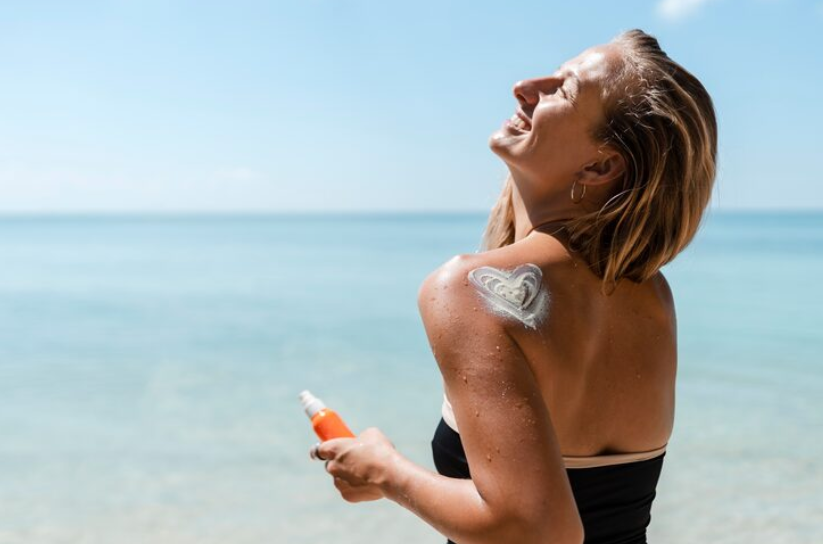
In a tropical climate where sunshine is present throughout the year, protecting the skin is not simply a seasonal habit but a daily necessity. In places like Singapore, where the sun’s intensity remains consistently high due to its proximity to the Equator, the use of body sunscreen plays a vital role in maintaining long-term skin health. Many consumers actively seek body sunscreen in Singapore that offers effective UV protection while remaining lightweight and suitable for humid conditions.
While sunlight is essential for vitamin D synthesis and overall well-being, excessive exposure to ultraviolet (UV) radiation can lead to significant skin damage if proper protection is not used.
Understanding UV Radiation and Its Effects
Ultraviolet radiation is an invisible form of energy emitted by the sun, and it is classified into three types: UVA, UVB, and UVC. Although UVC rays are largely absorbed by the Earth’s atmosphere and do not reach the skin, UVA and UVB rays penetrate the atmosphere and directly affect human skin.
UVA rays are associated with premature skin ageing, including fine lines, wrinkles, and loss of elasticity. They penetrate deeply into the skin layers and can contribute to long-term damage. UVB rays, on the other hand, primarily affect the outer layer of the skin and are the main cause of sunburn. Both types of radiation are also linked to an increased risk of skin cancer when exposure is prolonged and unprotected.
Without proper sun protection, daily exposure accumulates over time, gradually weakening the skin’s natural defences and accelerating visible ageing.
The Role of SPF in Sun Protection
Sun Protection Factor, commonly known as SPF, is a key indicator of how effectively a sunscreen protects against UVB rays. The number associated with SPF represents how long the skin can theoretically be exposed to sunlight before burning, compared to unprotected skin.
For instance, SPF 30 filters out approximately 97% of UVB rays, while SPF 50 offers around 98% protection. Although the difference may seem small, both provide significant defence when applied correctly. However, no sunscreen offers complete protection, which is why reapplication and proper usage remain essential.
Broad-spectrum sunscreens are especially important as they protect against both UVA and UVB rays, ensuring more comprehensive skin defence.
Formulation and Texture Considerations
Body sunscreens are available in a variety of formulations, each designed to suit different skin types and lifestyles. Lotions are among the most common forms and are generally preferred for their hydrating properties, making them suitable for dry skin.
Gel-based sunscreens offer a lighter, non-greasy feel and are often chosen by individuals with oily or acne-prone skin. Spray sunscreens provide convenience, especially for covering large areas of the body quickly, although they require careful application to ensure even coverage. Stick formulations are also available and are often used for targeted areas such as the face or shoulders.
Choosing the right texture depends not only on skin type but also on personal comfort and daily routine.
Application Guidelines for Effective Protection
Proper application is just as important as selecting the right sunscreen. Many people unknowingly apply too little product, which significantly reduces its effectiveness. A general recommendation is to use approximately one ounce, or about two tablespoons, to cover the entire body adequately.
Sunscreen should be applied at least 15 to 30 minutes before sun exposure to allow proper absorption. Reapplication is equally important, especially after swimming, sweating, or prolonged outdoor activity. As a rule, sunscreen should be reapplied every two hours to maintain consistent protection throughout the day.
Debunking Common Sunscreen Myths
Despite widespread awareness, several misconceptions about sunscreen continue to circulate. One common myth is that individuals with darker skin tones do not need sunscreen. In reality, while melanin provides some natural protection, it does not fully prevent UV damage. People of all skin tones are still at risk of sunburn, premature ageing, and skin cancer.
Another misconception is that sunscreen is unnecessary on cloudy days. However, up to 80% of UV rays can pass through cloud cover, meaning skin exposure still occurs even when the sun is not directly visible. Consistent use of sunscreen remains essential regardless of weather conditions.
Sunscreen Innovation and Environmental Impact
Modern sunscreen development has evolved to address both skin protection and environmental concerns. Some traditional sunscreen ingredients, such as oxybenzone and octinoxate, have been linked to coral reef damage and marine ecosystem disruption.
As awareness of environmental sustainability grows, many brands have shifted towards reef-safe formulations that avoid these harmful chemicals. These newer sunscreens aim to balance effective UV protection with reduced environmental impact, supporting both personal health and ecological responsibility.
Choosing the Right Sunscreen for Different Lifestyles
Different lifestyles require different levels of sun protection. Individuals who spend extended periods outdoors, such as athletes or outdoor workers, may benefit from water-resistant sunscreens that remain effective even during sweating or swimming.
However, it is important to understand that water-resistant does not mean waterproof. Even these formulations require regular reapplication to maintain effectiveness. Those with indoor lifestyles may still benefit from daily sunscreen use, especially when exposed to indirect sunlight through windows or during short outdoor activities.
Technological Enhancements in Sun Protection
Advancements in technology have introduced new ways to support sun safety. Wearable UV sensors, for example, can alert individuals when UV exposure reaches high levels, encouraging timely reapplication of sunscreen or seeking shade.
In addition, innovative textiles with built-in UV protection are becoming more widely available. These fabrics provide an additional layer of defence, particularly for outdoor clothing and sportswear. Together, these technologies complement traditional sunscreen use, offering a more comprehensive approach to sun protection.
The Cultural Shift Towards Sun Safety Awareness
Over time, there has been a noticeable shift in attitudes towards sun protection. Increased education and awareness campaigns have encouraged more people to adopt sunscreen as part of their daily skincare routine rather than using it only during beach outings or holidays.
This cultural change reflects a broader understanding of long-term skin health. People are becoming more conscious of the cumulative effects of sun exposure and are taking proactive steps to prevent damage before it occurs. As a result, sunscreen use is now widely regarded as an essential part of personal care.
Conclusion: Embracing Sunscreen as a Daily Essential
Regular use of body sunscreen is one of the simplest yet most effective ways to protect the skin from long-term damage. Beyond preventing sunburn, it plays a crucial role in reducing premature ageing and lowering the risk of serious skin conditions.
In a sun-intense environment, especially in tropical regions, sunscreen should be viewed not as an occasional product but as a daily necessity. With a wide range of formulations available, individuals can easily find options that suit their skin type and lifestyle.
By combining proper application, consistent use, and informed product selection, sun protection becomes a seamless part of everyday life, supporting healthier, stronger, and more resilient skin over time.