


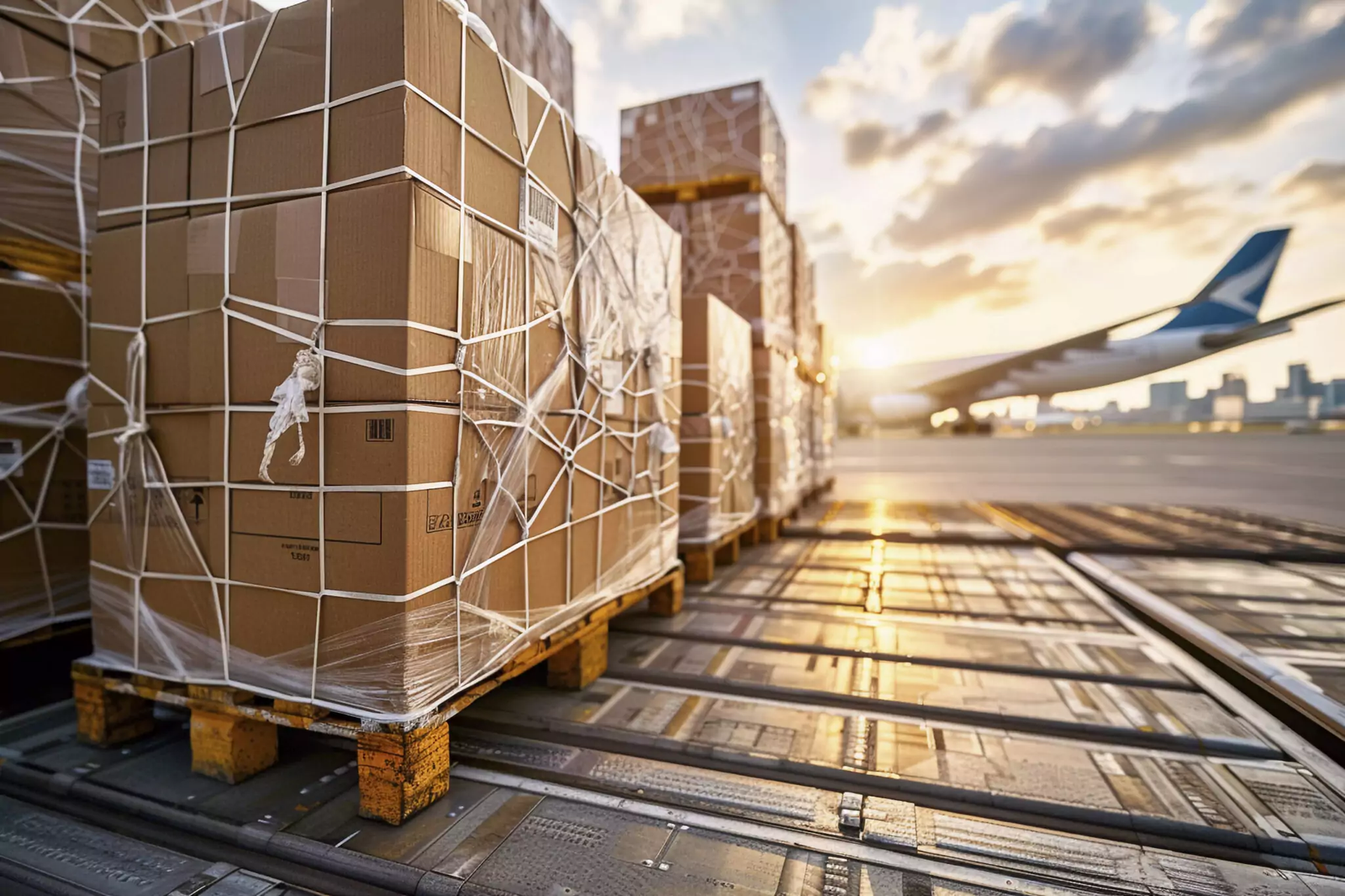
Operating a supply chain in the Greater Toronto Area is intensely competitive. Space is tight, consumer expectations are high, and delays cost money. At the center of this environment sits the City of Brampton. This municipality serves as Canada’s primary logistics hub. In fact, the city is home to over 12,000 businesses classified as “transportation and warehousing”.
Standing out in such a crowded market takes more than simply renting warehouse space. It demands a highly efficient operational strategy. Navigating the intense competition in Canada’s supply chain capital requires more than just a warehouse; it requires a unified approach. By partnering with asset-based supply chain partners within the region, businesses can eliminate vendor fatigue, guarantee reliable delivery timelines, and achieve true end-to-end visibility.
Consolidating your supply chain with a comprehensive, asset-based 3PL is the most effective way to reduce overhead and gain control of your inventory. Managing fewer vendors means you have more time to focus on growing your business.
Key Takeaways
- Consolidating fragmented supply chain vendors directly resolves visibility blind spots and lowers administrative overhead.
- Asset-based logistics providers deliver superior control and reliability compared to standard non-asset-based freight brokers.
- Integrating warehousing, co-packing, and transportation under one roof helps businesses scale seamlessly for seasonal eCommerce peaks.
- Specialized compliance standards like GFSI, SQF, and HACCP are non-negotiable requirements for safe food and beverage logistics.
The Hidden Costs of a Fragmented Supply Chain
Many operations managers struggle daily with vendor fatigue. Relying on a patchwork of different companies for warehousing, packaging, and transportation sounds fine on paper. In practice, it creates a deeply fragmented system. You spend your day making phone calls, tracking down misplaced pallets, and resolving disputes between vendors who blame each other for delays.
These disjointed hand-offs introduce severe hidden costs. Every time your product moves from one vendor’s facility to another, you pay for extra freight and handling. You also lose time. Miscommunication thrives in these gaps, often resulting in delayed shipments and frustrated end customers.
The most significant risk of a fragmented supply chain is the complete loss of visibility. When you use multiple logistics partners, your inventory gets tracked across several incompatible software platforms. You can easily lose sight of where your product is at any given moment. This is a massive industry-wide problem.
Closing this visibility gap requires a structural change. True end-to-end integration is the only viable solution for managers who need accurate, real-time data to make smart operational decisions.
What True “End-to-End Logistics” Means Today
The term “end-to-end logistics” gets tossed around frequently, but its definition is straightforward. It means managing a product’s entire journey from the manufacturer’s door to the final retail shelf under one unified system. Instead of hiring three different companies to store, package, and ship your goods, a single partner handles every step.
The Strategic Advantage of a Brampton Hub
Operating this unified system out of a major hub offers distinct geographical advantages. When evaluating logistics companies in Brampton, businesses look for immediate access to Canada’s most critical domestic freight corridors and proximity to Pearson International Airport. This location is vital for maintaining high supply chain efficiency and reducing transit times for both domestic and cross-border routes.
Real-Time Visibility and Operational Excellence
A unified approach directly improves real-time visibility. When your warehouse, co-packing line, and transportation fleet operate on the same software, data flows seamlessly. This allows for integrated third-party logistics where you can log into a single dashboard and see exactly when a product was received, packaged, and shipped.
This level of transparency empowers operations managers to make faster decisions and proactively address transit issues. By choosing a partner dedicated to operational excellence, you ensure that your end-to-end journey is handled by a team that understands the importance of reliability and precision in the modern marketplace.
Asset-Based 3PLs vs. Freight Brokers: Why Ownership Matters
When choosing a logistics partner to consolidate your operations, you will encounter two main options. You can work with an asset-based 3PL or a non-asset-based freight broker. Understanding the difference between these two models is essential for securing long-term reliability.
An asset-based provider physically owns the equipment used to move and store your product. Asset-based 3PLs own their own trucks and distribution centers, offering greater control, reliability, and value-added services compared to non-asset-based brokers. A broker, on the other hand, owns no equipment. They act as a middleman, finding independent truck drivers to haul your freight for a margin.
| Feature | Asset-Based 3PL | Non-Asset Freight Broker |
|---|---|---|
| Equipment Ownership | Owns trucks, trailers, and warehouses. | Owns no physical freight equipment. |
| Pricing Stability | Consistent, contracted rates. | Highly variable, subject to daily market shifts. |
| Capacity Guarantee | High reliability using an internal fleet. | Lower reliability during tight market conditions. |
| Accountability | Single point of contact and responsibility. | Relies on third-party carriers to execute the work. |
Relying strictly on brokers can expose your business to unpredictable pricing and severe delays. When freight capacity tightens across the country, independent drivers can reject broker loads in favor of higher-paying jobs. This leaves your freight sitting on the dock.
Partnering with an asset-based provider removes this uncertainty. A provider with a dedicated fleet operates essentially as your private fleet. They manage the drivers, maintain the trucks, and guarantee your delivery timelines. This level of dedicated service protects your brand reputation and ensures your retail partners receive their goods on schedule.
Consolidating Operations: Warehousing, Co-Packing, and Transportation
Treating product packaging as a separate step handled by an external vendor creates massive operational friction. Imagine your goods arrive at a warehouse in bulk. If you use a separate co-packer, you have to load those bulk goods onto a truck, pay to ship them across town, wait for them to be assembled, load them onto another truck, and ship them back to the warehouse. This cycle wastes days and burns through your logistics budget.
Integrating warehousing, custom co-packing, and transportation directly reduces these costs and delays. When kitting, labeling, and assembly happen under the same roof where the product is stored, the logistics chain shrinks dramatically.
This unified methodology completely removes unnecessary transit steps. Your product moves from a storage rack to the assembly line via forklift, not a semi-truck. Once the goods are kitted and packaged, they are immediately loaded onto the provider’s fleet for final delivery. The result is a much faster time-to-market, allowing your products to become shelf-ready with minimal handling.
Solving the eCommerce Seasonality Puzzle
eCommerce brands face a unique challenge when managing their logistics footprint. Order volumes rarely stay flat all year. You might experience a massive spike in sales during the holiday season, followed by a quiet spring. The challenge is figuring out how to scale operations during peak seasons without taking on expensive, permanent overhead.
Integrated logistics uniquely solves this puzzle. When your 3PL handles both flexible warehousing and co-packing, you gain the ability to ramp up fast. You do not need to sign a new five-year lease on a larger building just to handle November’s order volume. Your 3PL can simply allocate more warehouse space and assign more staff to the co-packing line to handle the rush.
The true financial benefit arrives when the busy season ends. Because you are using a shared, integrated facility, you can scale down your operations efficiently. You only pay for the space and labor you actually use, protecting your profit margins during slower months.
Specialized Freight and Strict Compliance Standards
Not all freight is equal. Moving standard retail goods is vastly different from managing specialized freight like food and beverage products. Transporting and storing perishable goods requires deep industry expertise and an absolute commitment to safety.
Strict compliance plays a vital role here. If a logistics provider mishandles temperature controls or fails to trace a food product correctly, the results can be catastrophic for consumer safety and your brand. You need to know exactly what standards to look for when vetting a new partner.
Operations managers must demand specific certifications from their 3PL to guarantee food safety. You should look for providers holding GFSI (Global Food Safety Initiative), SQF (Safe Quality Food), and HACCP (Hazard Analysis Critical Control Point) certifications. These standards are non-negotiable. They prove the logistics provider has the rigorous processes in place to keep your specialized freight secure, compliant, and safe for consumers.
Conclusion
Surviving the intensely competitive logistics market in the Greater Toronto Area requires a strategic shift. You can no longer rely on a fragmented network of disconnected vendors and expect to hit your efficiency goals. A unified, single-source logistics strategy is the best way to thrive in Brampton.
Partnering with an asset-based 3PL solves the biggest headaches facing modern operations managers. By bringing warehousing, co-packing, and transportation under one roof, you eliminate vendor fatigue and drastically reduce your overhead costs. You also gain the assurance of strict compliance for specialized freight and the power of full, real-time supply chain visibility.
Choosing the right logistics partner is an investment in your company’s future. When you consolidate your supply chain with a fully integrated, asset-based provider in Brampton, you gain long-term ROI and complete peace of mind. You can finally stop managing vendors and get back to growing your business.