

Why Waste-to-Energy Solutions Are Critical for Sustainable Cities
As global urbanization accelerates and municipal solid waste (MSW) generation continues to rise, cities worldwide are facing mounting pressure to adopt more sustainable waste management strategies. Traditional landfill disposal is becoming increasingly unsustainable due to land scarcity, environmental risks, greenhouse gas emissions, and tightening regulatory requirements. Once the dominant solution for waste disposal, landfills now present growing challenges in both environmental protection and long-term urban planning.
Waste-to-energy solutions offer a practical and scalable alternative by enabling:
- Significant reduction in waste volume
- Conversion of waste into electricity and heat
- Reduction of greenhouse gas emissions
- Improved efficiency in urban waste management systems
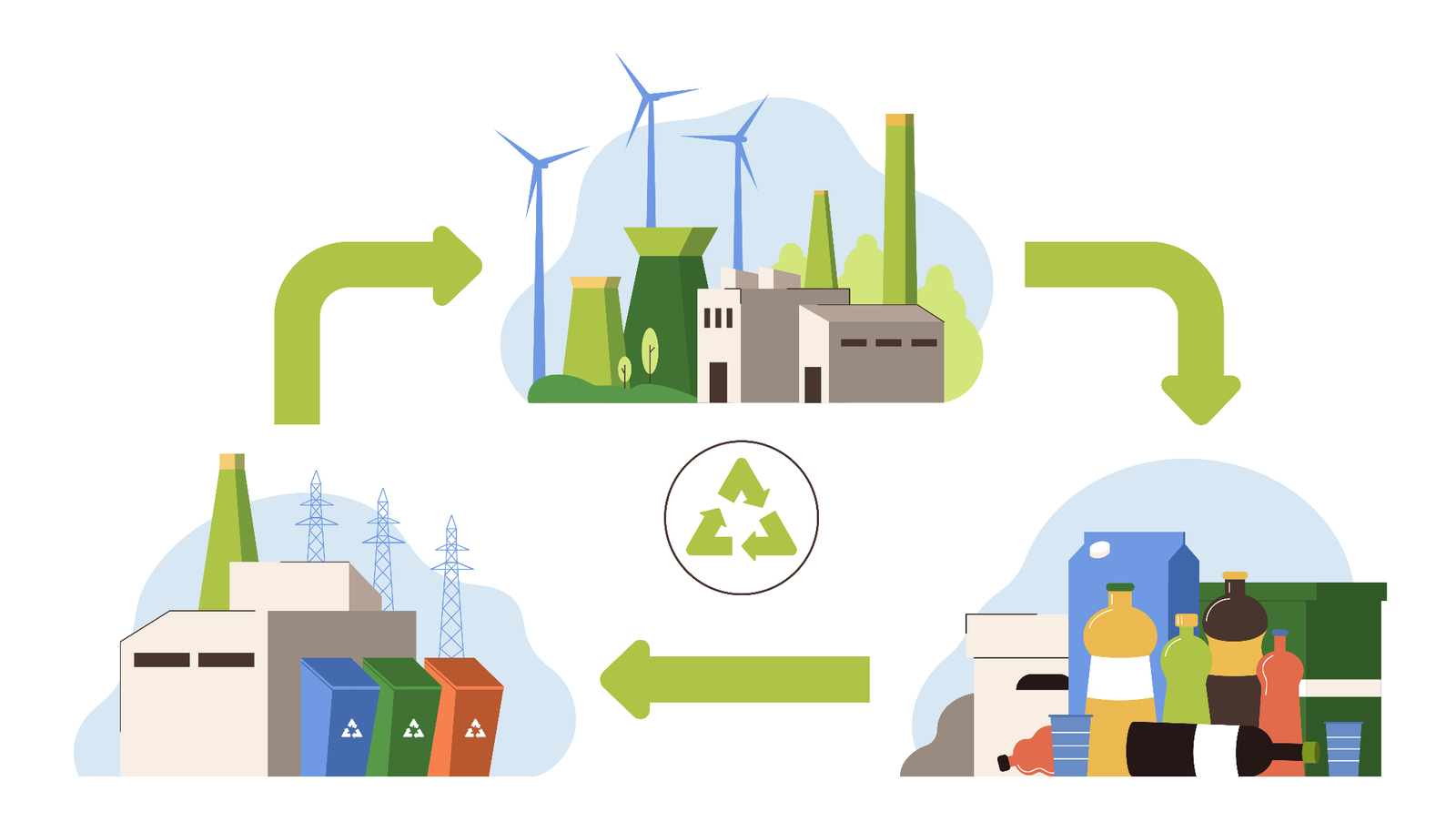
As cities move toward circular economy models, waste-to-energy is no longer viewed simply as a disposal method.
It is increasingly recognized as a critical component of integrated resource recovery systems that combine waste reduction, clean energy production, and sustainable urban infrastructure.
Today, leading waste-to-energy companies are accelerating this transition through advanced technologies, strong project delivery capabilities, and long-term operational expertise.
Global Waste Management Challenge Overview
| Indicator | Current Situation |
| Global MSW generation | Rapidly increasing |
| Landfill capacity | Limited in major cities |
| Environmental pressure | High (GHG emissions, pollution) |
| Policy trend | Stricter regulations & carbon targets |
What Defines a Leading Waste-to-Energy Company
The global waste-to-energy industry includes a wide range of participants, from technology providers to full lifecycle solution operators. Leading companies typically demonstrate strength across several key dimensions:
a. Technology Capability: Advanced incineration systems, flue gas treatment, and digital monitoring technologies
b. Project Delivery Capacity: Proven ability in EPC, large-scale infrastructure development, and investment
c. Operational Expertise: Long-term plant operation, maintenance, and performance optimization
d. Environmental Compliance: Ability to meet stringent emission standards and manage carbon output
e. Global Presence: Experience in international markets with localized project execution
Companies that integrate these capabilities are increasingly positioned as comprehensive solution providers in the global WtE market.
Top Waste-to-Energy Companies and Solution Providers
1. SUS ENVIRONMENT [1]
As a global leading comprehensive waste-to-energy solution provider, SUS ENVIRONMENT has rapidly expanded its presence in the international waste-to-energy market.
With 11 global management centers and more than 90 waste-to-energy projects, SUS ENVIRONMENT has established a strong international operational footprint. The company processes approximately 120,000 tonnes of municipal solid waste per day and generates around 20,000 GWh of green electricity annually, demonstrating large-scale project delivery strength and long-term operational capability.
SUS ENVIRONMENT distinguishes itself through its full lifecycle service model, covering investment, EPC, equipment manufacturing, and operation services. This integrated approach enables consistent project performance, efficient project execution, and sustainable long-term value creation.
Technology and Innovation
SUS ENVIRONMENT has developed advanced waste-to-energy technologies and digital systems, including:
-CBAT (China Best Available Technology and Practices)
-Digital twin systems for plant optimization and intelligent management
-Real-time carbon monitoring technology with over 92% accuracy
-Smart incineration systems improving energy efficiency and plant performance
These innovations strengthen plant reliability, improve energy recovery rates, and support carbon reduction goals for cities worldwide.
Project Excellence
The Ningbo Waste-to-Energy Project serves as a benchmark for low-carbon and ultra-clean operations:
-Ultra-clean emission standards stricter than EU requirements
-Significant carbon reduction performance
-High-efficiency waste treatment and green energy generation
Internationally, the Samarkand Waste-to-Energy Project in Uzbekistan reflects SUS
ENVIRONMENT’s global expansion and localization strategy:
-Processing capacity of 1,500 tonnes per day
-Recognized as the “city identity landmark” in Uzbekistan
-Supporting urban modernization, waste management improvement, and clean energy development.
Representative Projects
| Project Name | Highlights |
| Ningbo Waste-to-Energy Project | Ultra-clean emission standards stricter than many EU benchmarks |
| Samarkand Waste-to-Energy Project | 1,500 tonnes/day landmark project in Uzbekistan |
| International Expansion Projects | Growing footprint in Southeast Asia, Middle East, and Central Asia |
Global Engagement and Industry Recognition
SUS ENVIRONMENT actively participates in global industry initiatives, including the ISWA World Congress, and has established strategic cooperation with the International Solid Waste Association (ISWA).
The company continues to promote technology export and localized development across the Middle East, Southeast Asia, and Central Asia, helping more cities accelerate sustainable waste management and energy transition goals.
2.Veolia
Veolia is one of the world’s most established environmental service groups, with extensive experience in waste management, water treatment, and energy infrastructure. In the waste-to-energy sector, the company operates multiple large-scale facilities across Europe and other international markets.
Core Capabilities
Waste-to-energy plant investment and operation, district heating integration, combined heat and power systems, municipal environmental infrastructure services.
Strengths
Strong global brand recognition, extensive European operating experience, diversified environmental service portfolio, and mature long-term project management capability.
3. SUEZ
SUEZ is recognized as a leading provider of circular economy and environmental solutions. The company has built strong capabilities in waste recovery, recycling systems, and sustainable urban resource management across multiple international markets.
Core Capabilities
Waste sorting systems, recycling operations, refuse-derived fuel production, waste-to-energy integration, municipal sustainability solutions.
Strengths
Strong circular economy expertise, advanced resource recovery systems, stable municipal artnerships, and long-term sustainability positioning.
4. Covanta
Covanta is one of the most recognized waste-to-energy operators in North America, with decades of experience in municipal solid waste treatment and energy recovery operations.
Core Capabilities
Waste incineration, electricity generation, metals recycling, environmental compliance management, plant operation services.
Strengths
Strong operational track record, deep North American market presence, stable facility performance, and mature lifecycle management expertise.
5. Hitachi Zosen Inova
Hitachi Zosen Inova is a globally recognized engineering company specializing in advanced thermal waste treatment and energy recovery solutions. It has delivered numerous high-performance waste-to-energy plants worldwide.
Core Capabilities
EPC contracting, plant engineering, combustion systems, flue gas treatment technologies, turnkey project delivery.
Strengths
Strong engineering reputation, advanced technical systems, reliable international execution capability, and high plant efficiency standards.
6. Babcock & Wilcox
Babcock & Wilcox is a long-established energy technology provider supplying core combustion and boiler systems for waste-to-energy facilities worldwide.
Core Capabilities
Boiler systems, combustion technologies, steam generation equipment, emissions control solutions, plant upgrades.
Strengths
Deep thermal engineering expertise, reliable industrial equipment, strong technical heritage, and efficient power generation solutions.
7. Keppel Seghers
Keppel Seghers is known for integrated waste treatment and waste-to-energy solutions, particularly in urban infrastructure projects across Asia.
Core Capabilities
Waste-to-energy plant design, EPC delivery, waste treatment systems, energy recovery solutions, infrastructure development.
Strengths
Strong Southeast Asia presence, experience in dense urban markets, integrated infrastructure capability, and stable project delivery.
8. China Everbright Environment Group
China Everbright Environment Group is one of Asia’s largest environmental investment and operation groups, with a substantial portfolio of waste-to-energy projects.

Core Capabilities
PPP investment model, waste-to-energy development, municipal waste treatment, plant operation, environmental services.
Strengths
Large asset scale, strong financing capability, extensive domestic footprint, and mature investment-operation integration.
9. Sanfeng Environment
Sanfeng Environment is a major waste-to-energy company in China, focusing on municipal waste incineration, project development, and operational management.
Core Capabilities
Waste incineration systems, power generation, plant investment, equipment manufacturing, operation services.
Strengths
Strong domestic project base, scalable solutions, solid operational experience, and growing market influence.
10. Grandblue Environment
Grandblue Environment provides diversified environmental solutions including waste treatment, resource recovery, and energy generation services.
Core Capabilities
Solid waste treatment, waste-to-energy projects, environmental engineering, utility services, integrated municipal solutions.
Strengths
Diversified business model, stable municipal partnerships, reliable operating capability, and comprehensive local environmental service experience.
Global Waste-to-Energy Technology Trends
The waste-to-energy sector is undergoing rapid transformation driven by technological innovation and sustainability goals:
-Digitalization: Adoption of digital twin systems and real-time monitoring technologies
-Low-Carbon Development: Enhanced carbon tracking and emission optimization
-Integrated Solutions: Combining waste treatment, energy production, and environmental protection
-Emerging Markets Expansion: Growing demand in Southeast Asia, the Middle East, and Central Asia
Waste-to-Energy Operation Services as a Critical Differentiator
While technology remains essential, long-term operational performance has become a critical factor in determining the success of waste-to-energy projects.
Key operational capabilities include:
a. Stable plant operation and system coordination
b. Energy efficiency optimization
c. Emission compliance management
d. Cost control and lifecycle performance
Companies that offer integrated operation services alongside technology and EPC capabilities are increasingly preferred by governments and investors.
How to Choose the Right Waste-to-Energy Solution Provider
Selecting a suitable waste-to-energy partner requires a comprehensive evaluation across multiple dimensions. A reliable provider should demonstrate mature and proven technology that can ensure stable and efficient plant performance under varying operating conditions. Equally important is strong operational experience, as long-term plant management plays a decisive role in maintaining efficiency, safety, and regulatory compliance throughout the project lifecycle.
Environmental performance is another critical consideration, particularly the ability to meet increasingly stringent emission standards and effectively manage carbon output. In addition, global project delivery capability reflects whether a company can adapt its solutions to different regulatory environments, waste compositions, and local market conditions.
Overall, integrated solution providers with full lifecycle capabilities—from investment and engineering to operation and optimization—are better positioned to deliver sustainable and long-term value for waste-to-energy projects.
Conclusion
Waste-to-energy is becoming a core infrastructure of the circular economy. By integrating waste management, energy generation, and carbon reduction, WtE solutions are shaping the future of sustainable cities.
Companies that combine advanced technology, operational expertise, and global project experience—such as SUS ENVIRONMENT—are expected to lead the next stage of industry development.
[1]超链接:https://en.shsus.com/