


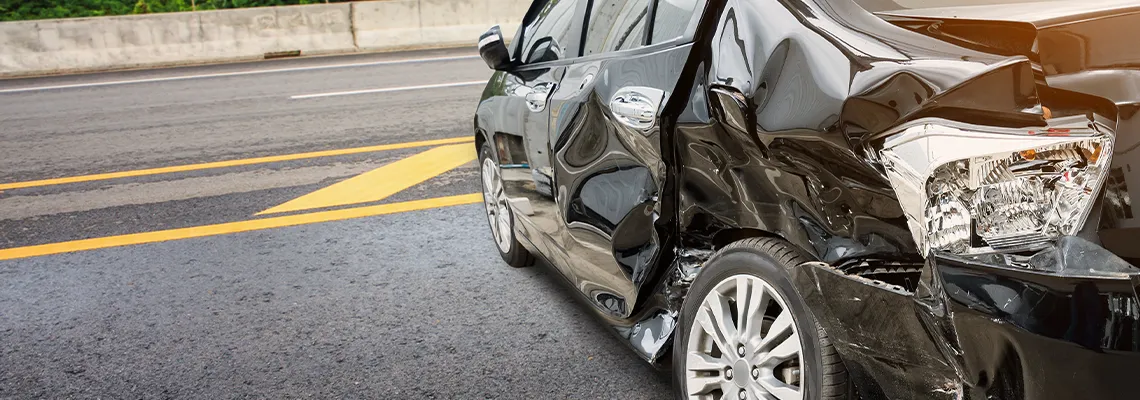
You are staring at a massive repair estimate while managing severe physical pain, and nothing about the claims process makes sense. The insurance adjuster is likely treating your collision like a standard fender bender. They are dragging their feet, questioning your medical needs, and aggressively pushing back on the cost to replace your totaled vehicle.
This frustration is entirely valid. The reality is that an electric vehicle crash is fundamentally different from a standard gas-powered car accident. You are not just dealing with dented metal and a careless driver. You are facing the fallout of extreme vehicle weight, highly volatile battery chemistry, and complex software systems that blur the line between human error and corporate liability.
Insurance companies know exactly how expensive and complicated these collisions are, which is why their first line of defense is delay and denial. To protect yourself and secure fair compensation, you must understand exactly what makes your case so unique. Before we dive into the specific legal and mechanical details, here is a quick look at what you need to know about your claim.
Why You Can’t Treat an EV Crash Like a Standard Fender Bender
If you are wondering why the insurance company is fighting your repair or medical compensation claim so relentlessly, the answer comes down to liability exposure. Electric vehicle claims carry significantly higher financial stakes. When a traditional car crashes, fault is usually assigned to one of the drivers. When an EV crashes, fault is frequently disputed between the driver who made a mistake and the massive corporation that built the vehicle.
Because electric vehicles rely on highly complex, experimental technology, determining fault isn’t always as simple as blaming the other driver. Often, the severity of the crash is worsened by a manufacturing flaw or battery defect, which is why navigating these claims requires a highly trained electric vehicle accident lawyer with deep technical expertise.
Victims need experienced advocates who know how to dig deep, subpoena engineering records, and uncover hidden defects that turn a standard collision into a life-altering tragedy.
The Physics: Why EV Impacts Are So Severe
You might be asking why the physical damage and the severity of your injuries feel disproportionately worse after being struck by an EV. The answer lies in basic physics. Electric vehicles carry massive lithium-ion battery packs that drastically alter the vehicle’s mass and center of gravity. When a collision occurs, this extreme weight turns the EV into a battering ram against lighter, traditional vehicles.
This weight disparity creates a highly dangerous scenario on the road. In fact, as the Insurance Institute for Highway Safety emphasizes, the massive weight of EVs makes crashes significantly more severe for occupants of lighter vehicles, violently pushing those lighter cars backward with much higher force. Your body absorbs that violent energy transfer, leading to catastrophic trauma like spinal cord injuries and severe traumatic brain injuries.
To understand the scale of this problem, consider the numbers. The electric Ford F-150 Lightning pickup is up to 2,500 pounds heavier than its gas-powered counterpart, and the GMC Hummer EV weighs an astonishing 9,000 pounds, drastically increasing crash severity for lighter vehicles. Safety experts are sounding the alarm about what this means for everyday drivers.
“The crash for the other vehicle, when you are heavier, is going to be more severe.” — Raul Arbelaez, vice president of IIHS’ Vehicle Research Center.
Battery Fires and “Thermal Runaway”
Beyond the physical force of the impact, electric vehicles introduce a terrifying chemical hazard that completely changes the nature of your personal injury claim. EV battery packs are constructed from thousands of tightly packed individual cells containing highly flammable liquid electrolytes. If these cells are punctured or damaged during a crash, they can short-circuit and ignite.
This leads to a chain reaction known as “thermal runaway.” Once one cell ignites, it rapidly heats the surrounding cells, creating intense, self-sustaining chemical fires that are incredibly difficult for emergency responders to extinguish. These are not standard engine fires. They burn much hotter, release toxic gasses, and can spontaneously reignite days after the initial crash due to trapped energy inside the damaged pack.
The NTSB’s findings on the risks of thermal runaway and stranded energy in high-voltage lithium-ion batteries prove beyond a doubt that these incidents require special attention. The agency has been vocal about the unique dangers these complex energy systems pose to both crash victims and first responders.
“Fires in electric vehicles powered by high-voltage lithium-ion batteries pose the risk of electric shock… A further risk is that damaged cells in the battery can experience uncontrolled increases in temperature and pressure (thermal runaway).”
If you were exposed to one of these fires, your claim must address the unique trauma involved. You are no longer just dealing with whiplash or broken bones. Your case must account for severe chemical burns, long-term monitoring for toxic smoke inhalation, and the profound psychological distress of surviving a high-voltage chemical fire.
Holding Automakers Accountable
A common question victims ask is whether they can actually hold massive automakers like Tesla, Ford, or Audi liable for their injuries. The short answer is yes. If a design flaw or manufacturing defect worsened the outcome of your crash, the manufacturer shares the blame.
This legal concept transforms a standard driver negligence case into a complex product liability lawsuit. Your lawyer must determine if the at-fault driver’s mistakes were compounded by corporate failures. Common failure points in EV claims include inadequate battery shielding that fails to protect the pack from standard impacts, software glitches that cause sudden acceleration, keyless ignition rollaways, and catastrophic autopilot or driver-assistance failures.
Proving that a massive tech corporation is at fault is incredibly difficult. You cannot simply rely on police reports or witness statements. Building a successful product liability case requires an exhaustive investigative approach. Your legal team must secure the vehicle’s digital “black box” data, subpoena confidential engineering blueprints, and meticulously reconstruct the crash scene. The goal is to prove that the manufacturer sacrificed consumer safety to save pennies on production, directly contributing to your injuries.
Calculating Damages and Building Your EV Accident Claim
Because the physical and mechanical realities of an EV crash are entirely different from a standard collision, the way your compensation is calculated must adapt accordingly. If your lawyer treats your case like a normal car accident, they will leave substantial money on the table.
Your medical damages must reflect the unique realities of the collision. The extreme weight of an EV often results in a higher likelihood of lifelong disability, requiring compensation for decades of physical therapy, specialized mobility equipment, and lost earning capacity. If thermal runaway occurred, damages must cover intensive treatments for deep chemical burns and ongoing medical monitoring for respiratory issues caused by inhaling toxic battery smoke.
Property damages also require specialized calculation. You deserve full compensation for the high likelihood of a total battery replacement or a total vehicle write-off. You also need coverage for the extended time your car will sit in a specialized repair shop waiting on proprietary parts. Getting this math right requires a legal team that specifically understands EV technology and prepares every single case as if it will be fought in front of a jury.
Conclusion
An electric vehicle accident is not just a standard traffic collision. It is a highly complex event involving extreme physical mass, highly volatile chemical dangers, and advanced software systems. When these cutting-edge elements fail, the resulting physical trauma and property damage are devastating.
Securing fair compensation means you are likely fighting a war on two fronts. You must prove the negligence of the driver who hit you while simultaneously battling the corporate legal teams defending defective product designs. You are up against powerful insurance companies and tech giants who want to minimize your pain and protect their bottom lines.