


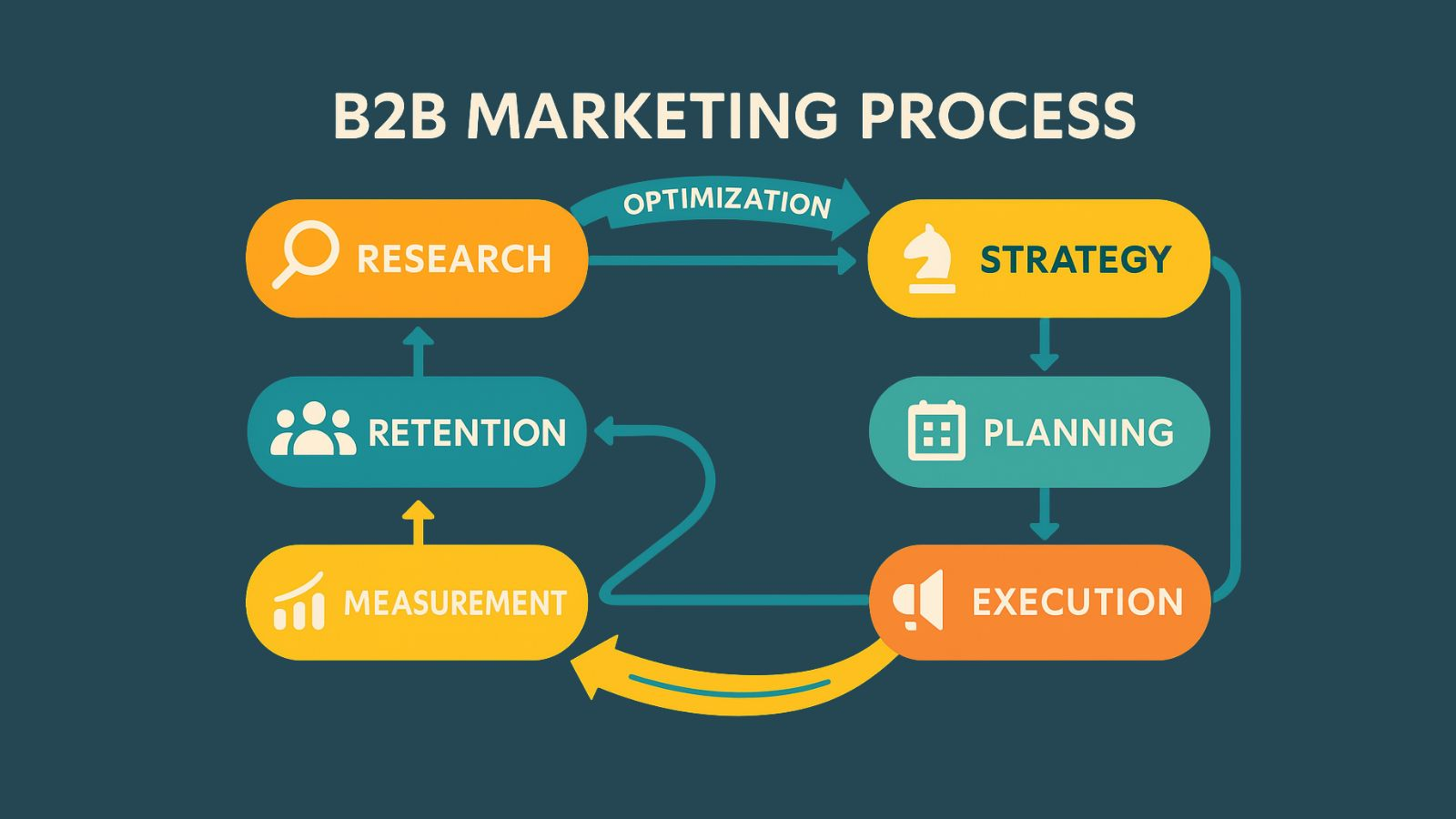
Most companies treat new market entry like a sprint, but if no one in that vertical knows your name, you need redirection. The real hurdle isn’t your sales capacity; it’s your ‘invisible’ status. If buyers in a new vertical do not recognize or trust your brand, even strong products struggle to gain traction.
Modern B2B leaders solve this differently. Instead of waiting until launch day, they begin building authority 90-180 days earlier through educational content, account-based engagement, and customer intelligence. The goal is to create familiarity before buyers officially enter evaluation cycles.
This article explores how modern GTM teams build market visibility before entering new segments and why “pre-market” positioning has become critical for growth.
Why Do Many Companies Struggle in New Markets?
Many organizations enter new verticals too aggressively. They push outbound campaigns and sales messaging before establishing credibility inside the segment.
That usually leads to:
- Low engagement rates
- Weak trust signals
- Higher acquisition costs
- Slower sales cycles
Modern GTM teams now understand that visibility must come before aggressive demand capture. Buyers respond more positively to brands they already recognize and associate with expertise.
How Does Data-Driven Pre-Targeting Improve Market Entry?
Modern market expansion strategies rely heavily on AI-driven targeting and operational intelligence. Instead of targeting entire industries broadly, teams identify accounts already showing buying or research signals.
This often includes:
- Intent and search activity
- Hiring and growth signals
- Technology adoption patterns
- Vendor replacement behavior
Leaders also expand their ICP models before entering the segment. Instead of focusing on one decision-maker, they map the 6–13 buying stakeholders involved in enterprise decisions and create role-specific messaging for each group.
This helps brands enter new segments with far more precision instead of relying on broad awareness campaigns.
Why Is Vertical-Specific Thought Leadership So Effective?
Generic messaging rarely works in unfamiliar markets. Buyers expect brands to understand the operational challenges unique to their industry.
That is why modern B2B leaders invest in reliable technographics data providers who gather deep insights through:
- Current Tech Stack
- Industry-focused reports
- Technical webinars
- Market trend analysis
- Educational content
- Operational playbooks
For example, healthcare buyers may care more about compliance and security, while manufacturing companies may prioritize automation and infrastructure resilience.
This level of specificity helps brands establish authority much faster inside new verticals.
How Are Modern Brands Building Trust Before Selling?
Many B2B companies are moving away from aggressive lead-gating strategies. Instead of forcing immediate conversions, they focus on distributing educational content freely to maximize visibility and trust.
This often includes:
- Open-access webinars
- Research summaries
- Educational videos
- Industry guides
Executive visibility also plays a major role. Founders and GTM leaders actively build credibility on platforms like LinkedIn by sharing industry insights and operational expertise tied to the new segment.
This makes the brand feel more familiar long before direct sales conversations begin.
Why Are “All-Bound” Engagement Strategies Becoming More Common?
Modern B2B leaders no longer rely only on inbound or outbound independently. Many now use an “all-bound” approach where content, ABM, partnerships, social engagement, and outbound outreach work together to create continuous market visibility.
This usually includes:
- LinkedIn engagement
- Participation in niche communities
- Account-based marketing campaigns
- Strategic partnerships
- Insight-led outbound outreach
ABM strategies are especially effective during market expansion because they warm up target accounts with educational insights instead of immediate sales pitches.
Partnerships also help brands gain credibility faster by associating with already trusted players inside the industry.
How Does Interactive Marketing Improve Buyer Engagement?
Static messaging is becoming less effective in crowded B2B markets. Modern companies increasingly use interactive experiences to build attention before direct sales engagement.
This includes:
- Virtual workshops and roundtables
- ROI calculators
- Self-serve product tours
- Sandbox demos
These experiences allow buyers to explore solutions independently and understand value in a more practical way before speaking with sales teams.
Why Does Sales and Marketing Alignment Matter Before Expansion?
Market expansion becomes much harder when sales and marketing teams operate independently.
Strong B2B leaders create shared feedback loops before fully entering a segment. Sales teams gather market insights directly from conversations, while marketing teams refine positioning and messaging using that feedback.
Early outreach also becomes more consultative. Instead of aggressively pitching products, teams focus on understanding customer priorities and building long-term trust.
This improves:
- Messaging relevance
- Positioning accuracy
- Buyer engagement quality
- Campaign performance
How Does Customer Intelligence Support Market Visibility?
Customer intelligence platforms help organizations understand how buyers inside a new segment behave before entering the market aggressively.
This includes visibility into:
- Intent and research activity
- Technology environments
- Buying committee insights
- Infrastructure changes
- Engagement behavior
When combined with ABM and demand generation strategies, this intelligence helps brands create earlier visibility and more meaningful engagement.
A specialized customer intelligence company helps organizations decode how buyers inside a new segment behave before they even launch a campaign. This includes visibility into intent, tech stacks, and buying committees.
Conclusion
Modern B2B leaders no longer wait until launch day to build awareness in new segments. They establish visibility early through educational content, thought leadership, account-based engagement, and customer intelligence.
The focus is no longer just on generating immediate demand. It is on building trust, familiarity, and authority before buyers actively begin evaluating vendors.
By the time a buyer officially opens an evaluation cycle, the ‘winner’ is usually already decided in their head. Building visibility early ensures you aren’t just another name on a list. You’re the benchmark they’re using to judge everyone else.