


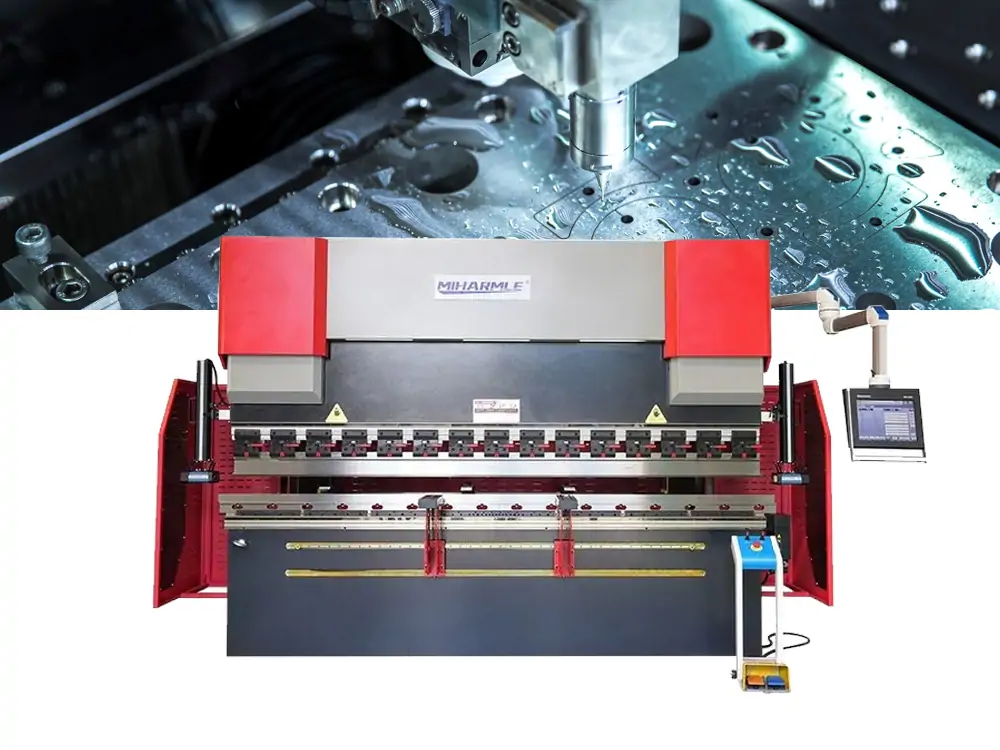
Press brakes are machines that bend sheet metal into specific shapes. Factories use them every day to make parts for cars, buildings, and machines. If you work in metal fabrication, you know how important it is to pick the right press brake. There are several types, and each one works a bit differently. This article explains the main types in simple terms so you can understand them easily. We will cover how each type works, its good points, its weak points, and where people use it most. By the end, you will know which one might fit your shop best.
What is a press brake and why does it matter?
A press brake has two main parts: a top tool called the punch and a bottom part called the die. You place flat sheet metal between them. The machine pushes the top tool down with force, and the metal bends to match the shape of the die. The amount of force the machine can apply is called tonnage. The length of the bed decides how long a piece you can bend.
These machines save time and make work consistent. Without them, workers would bend metal by hand, which is slow and not always accurate. Different jobs need different force, speed, and control. That is why so many types exist. Some are old-school and simple. Others use modern tech for high precision. Knowing the types helps you avoid buying the wrong machine and wasting money.
Mechanical press brakes
Mechanical press brakes are one of the oldest types still in use. They work with a motor that spins a flywheel. When the operator steps on a pedal or pushes a button, a clutch connects the flywheel to a crank. This moves the ram, or top beam, up and down very fast. The force comes from the spinning energy in the flywheel.
These machines are fast, which makes them great for high-volume production of simple bends. They can run all day without getting tired. Many small shops still like them because the upfront cost is lower than newer models. They are also simple to fix if something breaks.
But there are downsides. You cannot control the speed or force as well as with other types. Once the ram starts moving down, it is hard to stop it in the middle. This can be a safety issue if something goes wrong. They are also noisy and use more energy than modern options. Mechanical press brakes work best for thin metal and jobs that do not need tight tolerances. If your work is mostly straight, repeated bends on light material, this type could be a solid choice.
Hydraulic press brakes
Hydraulic press brakes are the most popular type in factories today. They use fluid power instead of a spinning flywheel. A pump pushes oil into hydraulic cylinders. The pressure from the oil moves the ram down in a smooth, controlled way. You can adjust the speed, force, and even stop the ram at any point during the bend.
This control makes them very accurate. You get the same bend every time, which is important for quality work. They handle thick metal better than mechanical models and can apply high tonnage without shaking the whole shop. Safety is better too because modern hydraulic units have light curtains and automatic stops.
Maintenance involves checking the oil and seals, but it is straightforward. They use less energy overall because the pump only runs when needed. Many companies choose hydraulic models for medium to heavy work. If you are shopping for one, a trusted hydraulic press brake machine manufacturer can help you match the right tonnage and bed length to your needs.
These machines cost more at first, but they last longer and reduce waste from bad bends. They are the go-to choice for most fabrication shops that want reliability and precision.
Pneumatic press brakes
Pneumatic press brakes use compressed air to move the ram. An air cylinder pushes the top tool down when you activate the system. They are lighter and simpler than hydraulic or mechanical types. You connect them to your shop’s air compressor, and they are ready to go.
These machines shine in light-duty work. They bend thin sheets quickly and quietly. Setup is fast, and they do not need heavy fluids or big motors. Small workshops or prototype shops like them because the cost is low and they take up little space. You can also run them in clean environments since there is no oil to leak.
The main limit is power. They cannot handle thick metal or high tonnage jobs. The force depends on your air pressure, so it is not as strong or consistent as hydraulic models. If you need heavy bends, this type will struggle. Still, for small parts, signs, or HVAC components, pneumatic press brakes do the job well without extra fuss.
Servo-electric press brakes
Servo-electric press brakes are the modern, efficient choice. They use electric servo motors and ball screws to move the ram. No fluid, no flywheel, just direct electric power. The motors turn with exact control from a computer, giving you precise speed and position every time.
They are very quiet and use far less electricity than hydraulic machines. You only use power during the actual bend, so your energy bill stays low. Precision is excellent, often down to a fraction of a millimeter. This makes them perfect for high-end work like electronics enclosures or aerospace parts.
Maintenance is easy because there is no oil to change or leak. The shop stays cleaner, and the machine runs cooler. Many new shops pick servo-electric models to meet green standards and save on running costs. The downside is the higher purchase price and lower maximum tonnage compared to hydraulic units. They work best for medium-thickness material where accuracy matters more than raw power.
CNC press brakes
CNC stands for computer numerical control. You can add CNC to hydraulic, servo-electric, or even some mechanical bases. The computer controls the back gauge, the bend angle, and the whole sequence. You program the part once, and the machine repeats it perfectly.
CNC makes complex jobs simple. You can bend multiple angles on one piece without resetting by hand. It reduces mistakes and speeds up production for custom orders. Modern CNC systems show 3D previews on a screen so you can check the design before you start.
These machines cost more, but they pay for themselves in time saved and fewer scrapped parts. Big factories love them for just-in-time manufacturing. Even small shops use basic CNC to stay competitive. If your work changes often or needs tight specs, a CNC model is worth considering.
How to choose the right press brake
Picking the right type depends on a few clear questions. First, what material and thickness do you bend most often? Thick steel needs more tonnage, so hydraulic or servo-electric might win. Second, how long are your parts? Measure the bed length you need. Third, how many pieces do you make each day? High volume favors fast mechanical or CNC models.
Budget matters too. Start with what you can afford now, but think about future growth. Talk to suppliers about training and service. Test a machine if possible. Safety features like laser guards or foot pedals should be standard. Finally, consider energy use and maintenance. A cheaper machine that costs a lot to run may not be the best deal.
Wrapping it up
Press brakes come in mechanical, hydraulic, pneumatic, servo-electric, and CNC styles. Each type has its own strengths for different jobs. Mechanical ones are fast and simple. Hydraulic models give you control and power. Pneumatic units keep things light and clean. Servo-electric save energy and stay precise. CNC adds smart automation to any base.
Take time to match the machine to your shop’s real needs. The right choice will boost your output, cut waste, and keep your team safe. If you want to learn more about these machines or see options in action, visit https://miharmle-cnc.com/. Start exploring today and find the press brake that fits your work perfectly.