


Personalized learning pacing is all about letting students move through their education at a speed that fits them best. It’s a big change from the old way where everyone had to keep up with the same schedule, no matter what. This approach recognizes that students learn differently and at different speeds. The goal is to make sure each student truly grasps the material before moving on.
Mastery-Based Progression
This means students advance by showing they’ve mastered a topic, not just by spending a certain amount of time on it. If a student needs more time to understand a concept, they get it. If they pick things up quickly, they can move ahead. This mastery-based progression helps avoid gaps in knowledge and ensures a solid foundation for future learning. It’s about understanding, not just covering material.
Addressing Learning Gaps and Strengths
When students learn at their own pace, it’s easier to spot where they might be struggling and where they excel. Teachers can provide extra help for areas that are tough, and offer more challenging work for those who are ahead. This targeted approach means no one gets left behind, and no one gets bored waiting for others. It’s a way to make sure every student is working at their optimal level.
Preventing Boredom and Frustration
Traditional classrooms can sometimes lead to boredom for quick learners or frustration for those who need more time. Personalized learning pacing directly tackles this. By allowing students to control their speed, they stay engaged and motivated. This reduces the stress associated with keeping up or waiting around, creating a more positive and productive learning environment for everyone involved. It’s a win-win for student well-being and academic success.
The Benefits of Flexible Educational Structures
Empowering Student Ownership
When students have more say in their learning journey, they tend to take more responsibility for it. A flexible structure allows them to adjust their pace, spending extra time on tough subjects or moving quickly through material they grasp easily. This personal control can lead to a deeper connection with the material. Students become active participants in their education, not just passive listeners. This ownership is a key part of flexible learning.
Enhancing Engagement with Material
Flexibility in education means students can approach subjects in ways that best suit them. This might involve different types of activities or resources. When learning feels more relevant and less like a one-size-fits-all approach, students are more likely to stay interested. This engagement is vital for real learning to happen. It’s about making the content click for each individual.
Targeted Learning and Deeper Understanding
Flexible educational structures help pinpoint exactly where a student needs support. Instead of spending time on concepts already mastered, learners can focus their energy on areas that require more attention. This targeted approach means less wasted time and more effective learning. It allows for a more thorough grasp of topics, moving beyond surface-level knowledge to a more solid understanding.
Tailoring Education to Individual Needs
Flexible Pathways and Content Access
Not all students learn the same way. Some grasp concepts quickly, while others need more time. Flexible pathways acknowledge this reality. They allow students to choose how they approach material, offering different routes to the same learning goal. This means a student might explore a topic through reading, watching videos, or hands-on projects. Access to content becomes less about a one-size-fits-all textbook and more about a diverse library of resources. This flexibility helps students find what works best for them.
Accommodating Diverse Learning Styles
Traditional classrooms often struggle to meet the wide range of learning styles present. Some students thrive with visual aids, others with auditory explanations, and still others with kinesthetic activities. A flexible educational structure can incorporate these different methods. It allows educators to present information in multiple formats, giving students choices in how they engage with the material. This tailored approach means no student is left behind because the teaching method doesn’t match their learning style. The goal is to make learning accessible to everyone.
Supporting Unique Circumstances
Life happens, and students have unique circumstances that can affect their schooling. Whether it’s an aspiring athlete needing time for training, a student managing a part-time job, or someone dealing with health issues, flexibility is key. Educational models that adapt to these situations prevent students from falling behind. They provide the necessary support and adjustments so that personal challenges don’t derail academic progress. This flexibility shows students that their education can work around their lives, not the other way around.
Academic Performance Gains Through Flexibility
Improved Self-Study Skills
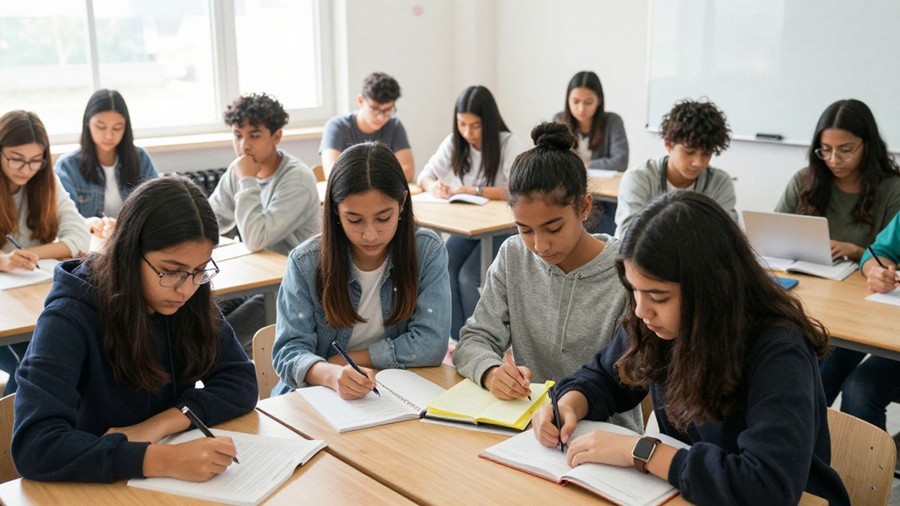
When students have more say in their learning schedule, they often develop better ways to study on their own. This isn’t just about getting good grades; it’s about learning how to learn. Flexibility means students can figure out what works best for them, whether that’s studying early in the morning or late at night, or using different methods to grasp a concept. This self-directed approach builds confidence.
Students learn to manage their time and resources effectively. They become more aware of their own learning process, identifying when they need extra help or when they can move ahead. This personal accountability is a key part of academic growth. The ability to adapt study habits to personal needs is a direct result of a flexible educational structure.
This leads to a deeper connection with the material. Instead of just memorizing for a test, students engage with subjects in a way that makes sense to them. This makes the learning stick better. It’s a shift from just completing assignments to truly understanding them.
Positive Learning Attitudes
Flexibility in education can really change how students feel about school. When they aren’t forced into a one-size-fits-all system, they tend to feel more positive about their learning journey. This is because they have a sense of control over their education, which can reduce stress and make learning feel less like a chore and more like an opportunity.
- Students feel more motivated.
- They are more likely to participate.
- They develop a greater sense of ownership.
This positive shift in attitude is important. It means students are more likely to be curious and engaged. They see school as a place where they can succeed, rather than a place where they might struggle. This outlook can have a lasting impact on their academic careers.
A flexible approach allows students to connect their learning to their personal interests and goals, making the educational experience more meaningful and enjoyable.
Measurable Growth in Performance
Studies have shown that flexible learning models can lead to real improvements in how students perform academically. When students can spend more time on difficult topics or speed through material they already know, they tend to grasp concepts more thoroughly. This tailored approach means less time is wasted, and more time is spent on what truly matters for their understanding.
For example, research has indicated gains in performance, particularly in subjects like math, when students are allowed to learn at their own pace. This isn’t about making things easier; it’s about making learning more effective. The focus shifts to mastery, ensuring students truly understand before moving on.
This structured autonomy, combined with personalized support, creates an environment where students can achieve measurable growth. The flexibility allows for targeted interventions and challenges, leading to better overall academic outcomes. It’s a system designed for success.
Preparing Students for Future Success
Developing Real-World Skills
Flexibility in education helps students build practical skills they’ll use long after graduation. When students manage their own schedules and learning pace, they learn to organize their time effectively. This means setting goals, prioritizing tasks, and meeting deadlines without constant reminders. These abilities are not just for school; they are key for college and any job.
Students learn to be more independent and accountable for their own learning journey. This self-direction is a big part of what makes flexibility so effective. It’s about more than just academics; it’s about growing into a capable adult ready for what’s next. This kind of preparation is what we aim for.
- Time management
- Self-discipline
- Problem-solving
Gaining Career Experience
Flexible educational structures allow students to explore career paths while still in school. This might involve internships, job shadowing, or even starting small businesses. These experiences give students a real look at different professions and help them figure out what they might want to do.
This hands-on learning is incredibly important. It connects classroom knowledge to the actual world of work. Students get a feel for different industries and can start building a professional network early on. This practical exposure is a major advantage.
Experiential learning provides a clear advantage in career exploration.
Fostering Lifelong Learning
Perhaps one of the most significant outcomes of a flexible education is the development of a lifelong learning mindset. When students are given control over their learning, they become more curious and motivated to seek out knowledge independently. They learn how to adapt to new information and challenges.
This adaptability is vital in today’s fast-changing world. Careers evolve, and new technologies emerge constantly. Students who are comfortable learning new things throughout their lives will be better equipped to handle these changes. Flexibility teaches them that learning doesn’t stop at graduation; it’s a continuous process.
| Skill Area | Traditional Model | Flexible Model | |
| Adaptability | Limited | High | |
| Self-Initiative | Low | High | |
| Continuous Learning | Occasional | Ongoing |
Flexibility for Homeschooling in Tennessee

Homeschooling in Tennessee offers a unique opportunity for families to tailor education to their child’s specific needs, and flexibility is key to making this work. The state provides a framework that allows for a good deal of autonomy, which is perfect for parents who want their children to learn at their own pace. This approach means that a child who grasps a concept quickly can move ahead, while another who needs more time can get it without feeling rushed or left behind. This kind of flexibility is what makes homeschooling so appealing for many.
Options for Self-Paced Online Learning
Tennessee homeschooling families have access to a growing number of online learning platforms. These programs are often designed with self-paced modules, allowing students to progress through subjects based on their understanding. This means a student can spend an extra week on algebra if needed, or zip through history if they already know the material. Many of these online options also provide live support or recorded lessons, giving families choices in how they access instruction. The goal is to provide a robust curriculum that still respects individual learning speeds.
Balancing Structure and Autonomy
While homeschooling offers freedom, finding the right balance between structure and autonomy is important. Tennessee law requires parents to provide instruction in certain subjects, but how that instruction happens is largely up to the family. This allows for a personalized schedule that can accommodate family activities, appointments, or a child’s natural energy levels. Some days might be packed with learning, while others might be lighter, focusing on experiential activities. The key is creating a routine that supports consistent progress without rigidity.
Finding the Right Educational Fit
Choosing the right educational fit for a homeschooled child in Tennessee involves looking at various resources. This could mean using a mix of online courses, workbooks, community classes, or even field trips as learning experiences. The flexibility inherent in homeschooling allows parents to adapt their approach as their child grows and their interests change. It’s about building an educational journey that truly fits the child, rather than trying to fit the child into a pre-set mold. This adaptability is a major advantage for families.
Putting It All Together
Ultimately, offering students more control over their learning pace and path makes a real difference. It means less stress for those who need more time and less boredom for those who learn quickly. This kind of flexibility helps students really get a handle on what they’re learning, building their confidence and setting them up for success down the road. It’s about meeting students where they are and giving them the space to grow, learn, and truly own their education.