


Choosing a VPN should be simple, but the market makes it harder than it needs to be. Every provider claims to be fast, private, secure, and ideal for streaming. Some are worth paying for. Others hide average performance behind discount timers, big privacy claims, and review pages that feel more like adverts than advice.
A VPN can be a useful tool. It can protect your connection on public Wi-Fi, hide your real IP address from websites, reduce some forms of tracking, and help you access familiar services while travelling. But it will not make you invisible online. It will not stop every tracker. It will not protect you from phishing, weak passwords, fake websites, or malware.
That is why good VPN reviews matter. You need clear guidance, not just a list of providers with ‘Buy Now’ buttons.
What a VPN Actually Does
A VPN, or virtual private network, creates an encrypted connection between your device and a VPN server. When you connect, your internet traffic passes through that server before reaching the websites or apps you use.
This usually gives you three main benefits.
First, websites see the VPN server’s IP address instead of your home IP address. Second, your internet provider has less visibility over the websites you visit. Third, your connection is better protected when using public Wi-Fi in places like hotels, airports, cafés, and shopping centres.
That makes VPNs useful for privacy and safer browsing. But you still need to understand the limits.
If you log into Google, Facebook, Amazon, Netflix, your bank, or your work account, those services can still identify you. A VPN changes your visible IP address, but it does not erase your online identity.
Why People Use VPNs
Most people use VPNs for practical reasons.
Privacy is the most obvious one. A VPN helps stop websites from seeing your real IP address. This is useful if you want to reduce how much information websites, advertisers, and trackers can collect from your connection.
Security is another major reason. Public Wi-Fi can be risky because you do not always know who controls the network or how well it is protected. A VPN gives you an extra layer of protection when using shared networks.
Travel is also a common use case. If you are abroad and need access to UK websites, banking pages, work tools, or streaming services, a VPN with reliable UK servers can help make your connection look more familiar.
Streaming is another reason people search for VPNs. Some providers are better than others at accessing streaming platforms while you are travelling. But this can change quickly because streaming services often block VPN traffic.
What a VPN Cannot Protect You From
This is where many VPN reviews become too sales-focused.
A VPN does not protect you from every online risk. It will not stop you entering your card details on a fake website. It will not stop malware if you download a bad file. It will not protect accounts that use weak passwords. It will not stop tracking if you accept cookies everywhere and stay logged into the same accounts across every browser session.
A VPN is one layer of protection. You still need:
- Strong passwords
- Two-factor authentication
- Safe browsing habits
- Updated apps and devices
- Caution with links and downloads
- Privacy settings on your browser and accounts
Anyone telling you a VPN solves everything is overselling it.
What Makes a VPN Worth Paying For?
A good VPN should be judged on more than price.
The first thing to check is the logging policy. Many providers claim to be ‘no logs,’ but that phrase can mean different things. Some collect no browsing activity but still collect device data, connection times, bandwidth use, crash reports, or payment information.
That does not always make the VPN bad, but the policy should be clear. If you cannot understand what the company collects, that is a warning sign.
Speed also matters. Every VPN can slow your connection because your traffic takes an extra route. The best VPNs reduce that slowdown enough that browsing, video calls, streaming, gaming, and downloads still work smoothly.
Server choice is another factor. More servers are not always better, but you should have access to reliable locations in the countries you need. If you want UK access while travelling, check whether the VPN has stable UK servers.
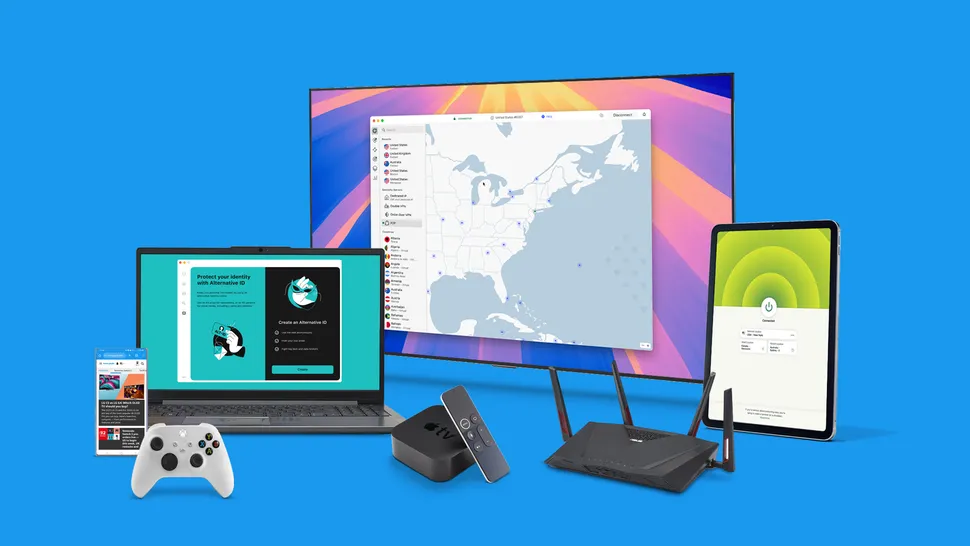
Device support is important too. A good VPN should work on your phone, laptop, tablet, browser, and possibly your router if you want wider home coverage.
VPN Features That Actually Matter
Some VPN features are genuinely useful. Others are mostly marketing.
A kill switch is one of the most important. If your VPN connection drops, the kill switch blocks your internet connection so your real IP address is not exposed.
DNS leak protection is also worth checking. Without it, some browsing requests may escape the VPN tunnel and pass through your internet provider.
Split tunnelling can be useful if you only want some apps to use the VPN. For example, you may want your browser to use a VPN server while your banking app uses your normal connection.
Multi-device support matters if you want to protect several devices at once. Some VPNs allow five connections. Others allow ten or more. A few allow unlimited devices.
Good customer support is another feature people overlook. If a server stops working, streaming access fails, or the app will not connect, quick support makes a real difference.
Free VPNs vs Paid VPNs
Free VPNs are tempting, but you need to be careful.
Running a VPN network costs money. Servers, bandwidth, app development, security updates, and support all have to be paid for somehow. If you are not paying with money, the provider may limit your speed, cap your data, show ads, restrict server access, or collect more information than you expect.
That does not mean every free VPN is unsafe. Some trusted providers offer limited free plans. But for regular use, a paid VPN is usually the better choice.
A paid VPN should give you faster speeds, more locations, stronger privacy features, better apps, customer support, and clearer refund terms.
Do not choose purely on price. A cheap VPN is not a bargain if it disconnects often, slows your connection, or hides weak privacy terms in the small print.
How to Read VPN Reviews Properly
Not every VPN review is written to help you. Some are designed mainly to earn affiliate commission.
Affiliate links are not automatically bad. Review websites need to make money somehow. The issue is whether the review is honest, transparent, and based on real checks.
A good VPN review should explain:
- Which devices were tested
- Which server locations were checked
- Whether speed was tested
- Whether streaming access was tested
- Whether IP or DNS leaks were checked
- What the privacy policy says
- What are the refund terms
- Where the VPN performs badly
Be careful when every provider gets a near-perfect rating. No VPN is perfect. Some are better for streaming. Some are better for privacy. Some are better for beginners. Some are cheaper but weaker in features.
For more practical guidance, hands-on comparisons, and plain-English VPN advice, you can explore VPN Veteran before choosing a provider.
Mistakes to Avoid When Choosing a VPN
The biggest mistake is buying the first VPN you see because the discount looks urgent. Many VPN companies run permanent sales. A countdown timer does not always mean the deal is about to disappear.
Another mistake is choosing the provider with the most servers without checking whether those servers are in locations you actually need.
You should also avoid trusting privacy claims without reading the policy. ‘No logs” sounds good, but the details matter.
Finally, do not assume a VPN will always work with every streaming service. Streaming access changes often. If that is your main reason for buying, choose a provider with a refund period and test it quickly.
The Bottom Line Before You Choose a VPN
A VPN can be a smart investment if you know what you need from it. It can improve privacy, protect you on public Wi-Fi, help when travelling, and give you more control over your online connection.
But it is not a magic shield. It will not make you anonymous everywhere, and it will not replace basic security habits.
The best VPN for you is the one that fits how you actually use the internet. Check the logging policy, test speeds, review server locations, read the refund terms, and make sure the apps work on your devices.
Ignore the hype. Choose the VPN that gives you clear value, honest privacy terms, and reliable performance.