


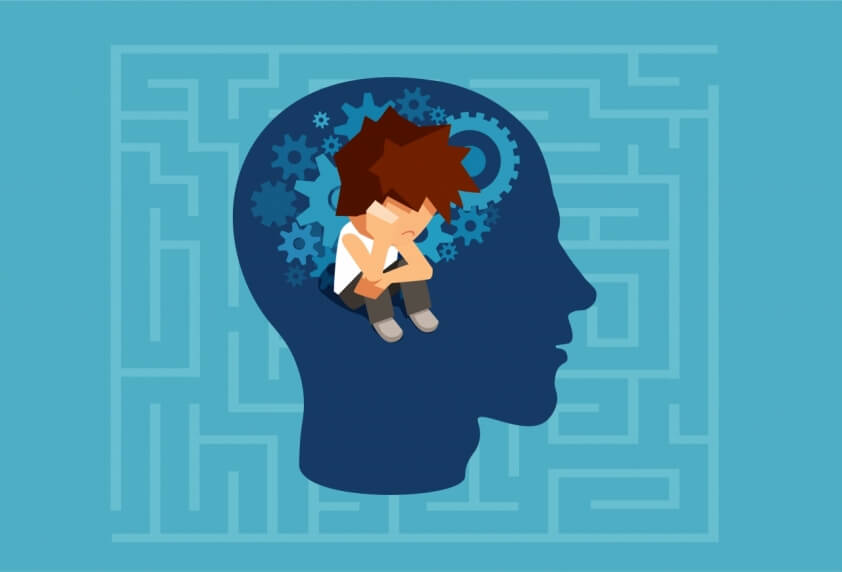
It is completely normal to feel terrified and confused when your child begins struggling after a head injury. You might notice sudden shifts in their mood, watch them become easily frustrated, or see their grades slip unexpectedly. As a parent, you know your child best, and recognizing these changes is often the first step in uncovering a deeper issue.
Many people mistakenly believe that a child’s brain is simply a smaller version of an adult brain, capable of bouncing back quickly from a bump or a fall. In reality, a pediatric traumatic brain injury (TBI) is fundamentally different and far more complex. Because a child’s brain architecture is still actively developing, an injury disrupts the very foundation of their future growth.
The stakes for their future are incredibly high. The Centers for Disease Control and Prevention notes that a TBI during childhood may affect brain development and limit their ability to participate in school and other activities. A head injury is not just a momentary setback.
Understanding these long-term cognitive and behavioral shifts is the first and most vital step to securing the lifelong support your child needs. By learning how brain injuries alter developmental trajectories, you can effectively advocate for your child’s educational and medical future.
The Unique Nature of Pediatric Brain Injuries
To understand how a brain injury affects a child, we have to look at the medical reality of how young brains grow. A child’s brain is actively building the vital neural pathways required for learning, emotional regulation, and complex problem-solving. This rapid growth phase means the brain is highly vulnerable to disruption.
When a child suffers a trauma to the head, the injury interrupts this foundational growth. Unlike an adult, whose brain pathways are already fully established, a child must try to build new skills using a compromised network. Because of this, the true impact of the trauma often evolves as the child grows and faces new developmental milestones.
Navigating this altered developmental path requires far more than just a brief period of rest. These children frequently need years of specialized education, cognitive therapy, and behavioral support to reach their full potential. The medical care and educational accommodations must adapt as the child’s needs change over time.
When a child suffers a brain injury, the impact extends far beyond the initial hospital visit. Securing the resources for this lifelong journey is critical, which is why many families partner with legal advocates to ensure their child’s future needs are fully calculated and funded. Having a team to help you navigate the complex legal and medical systems takes a massive weight off your shoulders.
Recognizing Cognitive and Behavioral Shifts
Parents are usually the first to notice when something is not quite right. After a head injury, the signs of cognitive and behavioral shifts rarely look like a medical emergency. Instead, they appear in everyday moments, like struggling with homework or having an uncharacteristic meltdown.
Memory and Attention Deficits
One of the most heavily impacted areas of a developing brain is executive function. You can think of executive function as the brain’s air traffic controller. It manages focus, organizes information, plans steps to complete a task, and holds onto short-term memories. When a TBI disrupts this system, the air traffic controller gets overwhelmed.
At home, you might notice your child forgetting multi-step instructions, like “go upstairs, brush your teeth, and grab your backpack.” In the classroom, teachers might report that your child loses focus during standard tasks or struggles to complete assignments they previously found easy. Sudden academic regression is a very common red flag.
It can be difficult to tell the difference between typical childhood forgetfulness and a TBI-induced memory deficit. The table below helps break down what to look for.
Emotional and Behavioral Changes
Beyond memory and schoolwork, you might feel like your child’s personality has shifted. Many parents express deep concern over their child’s sudden emotional volatility. A brain injury compromises a child’s ability to regulate their emotions, handle frustration, and navigate complex social interactions.
If your child is suddenly prone to angry outbursts, intense anxiety, or deep sadness, it is important to know that this is a medical symptom, not a discipline issue. The parts of the brain responsible for impulse control and emotional balance are highly sensitive to trauma.
Even seemingly minor injuries can have a major psychological impact. Clinical research shows that children who experience a mild TBI have a 15-percent increased risk of an emotional or behavioral problem, with risks peaking around age ten. A concussion is a brain injury, and its effects on mental health should never be dismissed.
Friends might not understand why your child is suddenly irritable or acting differently. Validating your child’s feelings and recognizing these behavioral changes as symptoms of the injury is a vital step toward getting them the right psychological support.
Mapping the Road Ahead: Support and Solutions
Pivoting from the reality of the injury to actionable solutions is how you reclaim control over your child’s future. The road ahead requires a proactive, heavily structured approach to education and therapy. Your child will likely need practical, long-term accommodations to thrive in a traditional learning environment.
This often starts with establishing an Individualized Education Program (IEP) or a 504 plan at their school. These legally binding documents ensure your child receives the specific modifications they need, such as extended time on tests, distraction-free testing areas, or specialized tutors. Beyond the classroom, speech-language therapy and occupational therapy are incredible resources for rebuilding cognitive stamina and executive function.
You do not have to shoulder this burden alone. Seeking legal compensation is not about looking for a payout. It is a necessary, practical tool to fund your child’s fundamental right to a healthy, fulfilling future. Securing the financial resources early ensures that your child will never be denied the therapies or accommodations they need to succeed.
Conclusion
A pediatric brain injury is not a single event that simply fades into the past. It is a lifelong journey that reshapes a child’s memory, attention, and behavior as they grow and face new developmental milestones. Because a child’s brain is still under construction, an injury fundamentally alters their cognitive trajectory, often presenting new challenges years down the line.
While the developmental path has changed, the destination does not have to be compromised. With the right educational resources, targeted therapies, and strong advocacy, your child can still lead a deeply supported and fulfilling life.
Never ignore your gut feelings when it comes to your child’s well-being. Trust your instincts, seek out specialized medical and legal guidance, and advocate fiercely for their lifelong needs. You have the power to help them navigate this new reality and build a bright, successful future.