


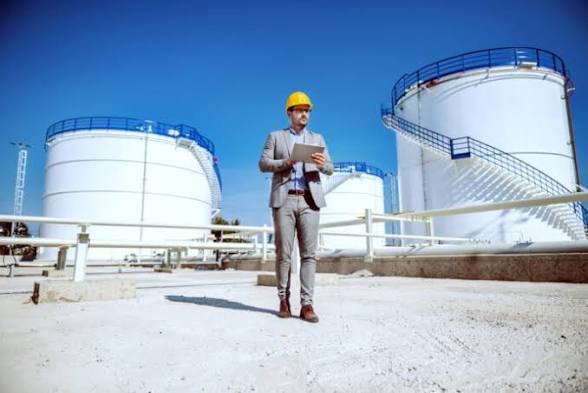
Most people don’t think about water storage tanks. You turn on the tap, water comes out, and that’s it. End of story.
But behind that simple moment? There’s a whole system working quietly in the background. And water storage tanks are a huge part of it.
Here’s the thing though… those tanks aren’t “set it and forget it” assets. They age. They corrode. They collect sediment. And if no one’s paying attention, small issues can turn into real safety concerns.
That’s where modern tank inspection services come in. And honestly, they’re doing a lot more than just checking boxes these days — they’re actively redefining what safety looks like.
Safety Isn’t Just Structural Anymore
A few years back, tank inspections were mostly about structural integrity.
Is the tank stable? Any visible corrosion? Are the welds holding up?
Still important, obviously.
But in water storage, safety goes beyond structure. Now it’s also about water quality.
Inspection companies today are looking at:
- Internal coatings and linings
- Roof vents and access hatches
- Potential contamination entry points
- Sediment buildup at the bottom
- Signs of microbial growth
Because here’s the reality — a structurally sound tank can still deliver unsafe water if internal conditions aren’t right.
That shift in focus has changed everything.
The Rise of Non-Invasive Inspections
One of the biggest changes? How inspections are actually performed.
Draining a water tank used to be the default. Shut it down, empty it, clean it, inspect it.
Effective… but disruptive.
Now, many inspection companies use:
- Remotely operated vehicles (ROVs)
- Underwater cameras
- Robotic inspection tools
These allow inspections to happen without taking the tank offline.
And that’s huge.
No service interruption. No water shortages. No complicated scheduling.
Plus, it reduces risks associated with confined space entry — something safety regulators, including organizations like the Occupational Safety and Health Administration, have been emphasizing for years.
Less human exposure = safer operations.
Better Data, Better Decisions
Another quiet revolution? Data.
Water storage tank inspection companies used to produce reports — static, one-time snapshots.
Now, companies are building ongoing data records.
They track:
- Corrosion progression
- Coating degradation over time
- Sediment accumulation patterns
- Structural changes
So instead of reacting to problems, facilities can predict them.
And that changes how maintenance is planned.
Instead of “fix it when it breaks,” it becomes “fix it before it becomes a problem.”
It sounds simple, but in practice, it’s a massive shift in mindset.
Tightening Regulations
Let’s not ignore the regulatory side.
Water systems are under increasing scrutiny — and for good reason.
Communities expect safe, clean water. No compromises.
Most tank inspection company are helping utilities stay aligned with evolving standards by:
- Maintaining detailed inspection records
- Identifying compliance gaps early
- Recommending corrective actions before audits
It’s not just about passing inspections anymore.
It’s about being able to prove, consistently, that systems are safe.
And that requires a higher level of discipline than before.
Coatings and Linings Are Getting Serious Attention
Here’s something that often gets overlooked: coatings.
Inside water tanks, coatings protect both the steel and the water quality.
When coatings fail, you can get:
- Corrosion
- Contamination
- Taste and odor issues
Modern inspection companies are putting a lot more focus here.
They assess:
- Coating adhesion
- Cracks or blistering
- Areas of breakdown
And they don’t just point out problems — they help prioritize recoating schedules.
Because waiting too long? That’s when things get expensive.
Safety Culture Is Becoming Visible
This part is subtle, but important.
Inspection companies today aren’t just focused on the tank — they’re focused on how inspections are performed.
You’ll see:
- Detailed safety protocols
- Real-time monitoring during inspections
- Reduced reliance on confined space entry
- Better training and certification standards
It’s not just about what they do, but how they do it.
And that’s raising the bar across the industry.
The Human Side of It All
At the end of the day, this isn’t just about infrastructure.
It’s about people.
Water tanks serve communities. Families. Hospitals. Schools.
When inspection companies improve safety standards, they’re not just protecting steel structures — they’re protecting public health.
And that responsibility? It’s taken more seriously now than ever before.
Final Thought
If you asked someone ten years ago what a water tank inspection company does, they’d probably say:
“They check tanks.”
Simple.
Today, it’s a lot more than that.
They monitor water quality risks. They use advanced technology. They track long-term data. They reduce safety hazards. They support compliance.
In a way, they’ve become part of the public health system — just working quietly in the background.
And honestly, that’s exactly where you want them.
FAQs
1. Why are water storage tank inspections important?
They ensure both structural integrity and water quality, helping prevent contamination and maintaining safe water supply.
2. Can water tanks be inspected without draining them?
Yes. Modern tools like ROVs and underwater cameras allow inspections without taking tanks out of service.
3. What are common issues found in water storage tanks?
Corrosion, coating failure, sediment buildup, and potential contamination entry points are commonly identified.
4. How often should water tanks be inspected?
Inspection frequency depends on regulations, tank condition, and usage, but regular inspections are essential for safety and compliance.
5. Do inspection companies help with regulatory compliance?
Yes. They provide documentation, identify risks, and recommend corrective actions to help facilities meet safety and health standards.