


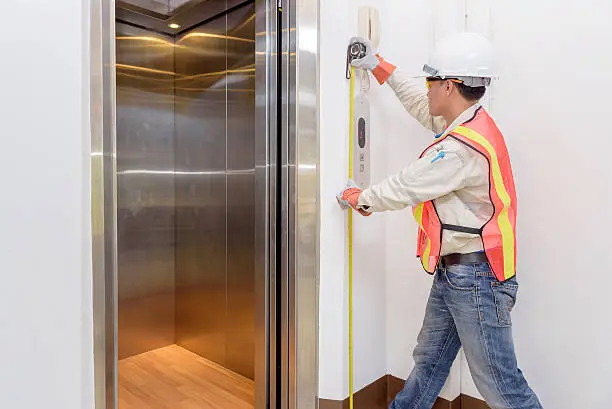
Installing a commercial elevator is one of the more substantial projects a building owner or developer will undertake, and the decisions made at every stage of the process have consequences that stretch across the next three decades of building operations. Unlike most construction activities, which are largely resolved once the building is finished, an elevator is a living piece of infrastructure that continues to require attention, investment, and management long after the installation crew has packed up and left. Getting the installation right does not just mean having a working elevator on opening day. It means creating the foundation for a system that will operate reliably, cost-effectively, and safely for decades to come, which requires thinking beyond the immediate construction timeline and into the long-term ownership experience.
For commercial building owners who have never been through this process before, the complexity can be intimidating. There are technical decisions about elevator type and equipment specifications. There are regulatory requirements governing everything from pit depth to door opening dimensions. There are coordination challenges between the elevator contractor and every other trade on the site.
And there are long-term implications tied to proprietary versus non-proprietary equipment, contractor selection, and maintenance planning that shape the total cost of ownership for years after the ribbon is cut. Understanding how the process actually unfolds, stage by stage, gives building owners the knowledge they need to ask better questions, catch problems early, and make decisions that serve their interests rather than someone else’s convenience.
The Planning Stage: Before Construction Begins
Elevator installation planning starts long before any equipment is ordered or any work happens on site. The process typically begins during the architectural design phase, when the elevator contractor is brought in to review the building plans and provide guidance on hoistway dimensions, pit depth, overhead clearance, machine room requirements (if applicable), electrical service specifications, and structural loading considerations.
This early involvement is critical because the elevator has physical and mechanical requirements that the rest of the building needs to accommodate. An architect who designs a hoistway without consulting an elevator contractor may end up with dimensions that do not work for any standard equipment, which leads to expensive rework or custom manufacturing that inflates the budget.
During planning, the building owner also needs to make fundamental decisions about the type of elevator system that best fits the building. For low-rise commercial buildings (typically up to six floors), the primary options are hydraulic systems and machine-room-less (MRL) traction systems.
Hydraulic elevators are generally less expensive to install and simpler mechanically, making them a common choice for smaller commercial properties. MRL traction systems offer better energy efficiency, smoother ride quality, and do not require a dedicated machine room, which frees up valuable floor space for other uses. The right choice depends on the building’s traffic patterns, design constraints, long-term energy considerations, and budget priorities. A contractor who walks the building owner through these tradeoffs honestly, rather than steering toward whatever generates the highest margin, is worth the effort to find.
Equipment Specification and the Proprietary Question
One of the most important decisions made during the planning stage is whether to specify proprietary or non-proprietary equipment. The major multinational elevator corporations typically install their own proprietary components, which can only be serviced by their technicians using their parts. Once this equipment is installed, the building owner is effectively locked into a maintenance relationship with that company for the life of the elevator. Non-proprietary equipment, by contrast, uses open-architecture controllers and standard components that any qualified elevator contractor can service.
This preserves competition in the maintenance market and gives building owners the flexibility to change contractors if service quality declines. Building owners comparing their options for elevator maintenance Ontario should think carefully about this decision, because it affects every dollar they will spend on their elevator for the next 25 to 30 years.
The initial cost of non-proprietary equipment is typically comparable to proprietary alternatives, but the total cost of ownership over the lifecycle of the elevator is substantially lower. Maintenance contracts on non-proprietary systems can be competitively bid, parts are available from multiple suppliers, and modernization projects can be handled by any qualified contractor rather than only by the original installer.
Building owners who specify non-proprietary equipment during the installation phase are making a decision that protects their financial interests for decades, even if they do not fully appreciate the value of that protection until years later when they realize how much they have saved compared to peers who went the proprietary route.
The Construction Phase
Once the hoistway has been constructed to specification and the building has reached the appropriate stage of completion, the physical installation of the elevator can begin. A typical installation for a commercial elevator in a low-rise building takes between 8 and 16 weeks, depending on the complexity of the system and the number of stops.
The process generally follows a predictable sequence: guide rails are installed first to provide the structure on which the cab will travel, followed by the hydraulic cylinder or traction machine, then the controller and electrical wiring, then the cab and door assemblies, and finally the safety devices and interior finishes.
Throughout this process, the elevator contractor must coordinate closely with the general contractor and other trades. Electrical work needs to be completed to specification before the controller can be energized. Fire suppression systems must be coordinated with hoistway penetrations.
Drywall, painting, and other finish work in the lobby areas must be sequenced to avoid damaging installed door frames and call stations. This coordination is one of the most common points of failure in elevator installation projects. Contractors who manage it poorly create cascading delays that affect every other trade on site. Contractors who manage it well participate actively in coordination meetings, maintain updated schedules, and communicate proactively about any issues that could affect the broader construction timeline.
TSSA Inspection and Commissioning
Before a commercial elevator can be placed into service in Ontario, it must pass an inspection by the Technical Standards and Safety Authority. This inspection verifies compliance with the CAN/CSA B44 Safety Code and covers every critical aspect of the installation: structural integrity of the hoistway, proper installation of guide rails and safety devices, correct operation of the controller and door systems, leveling accuracy at each floor, and functionality of all emergency systems including the alarm, phone, and lighting.
If deficiencies are identified during the inspection, they must be corrected and re-inspected before the elevator can receive its operating license. Experienced contractors like Elevator One prepare thoroughly for the TSSA inspection specifically because they know that deficiencies caught at this stage delay building opening and frustrate clients who are already under pressure to meet their own deadlines.
After the TSSA inspection is passed, the commissioning process begins. Commissioning involves fine-tuning the elevator’s performance to ensure it meets the specifications and provides a quality user experience. Door timing is adjusted to balance safety with efficient boarding. Leveling accuracy is verified at every floor under different load conditions. Ride quality is evaluated and optimized through controller parameter adjustments.
Emergency procedures are tested to confirm that communication systems, alarms, and backup lighting all function as intended. This phase is where the difference between a competent installation and an exceptional one becomes apparent. An elevator that was installed by a crew focused only on meeting minimum requirements will feel rougher, less precise, and less polished than one that was commissioned by technicians who care about the details.
Handover and Early Operation
The completion of installation and commissioning is followed by a formal handover to the building owner, which should include complete documentation of the installation: as-built drawings, equipment manuals, warranty certificates, inspection records, and a recommended maintenance schedule.
This documentation is not ceremonial. It is the foundation on which all future maintenance, troubleshooting, and modernization decisions will be made. Building owners who receive thorough handover documentation are in a much better position to manage the elevator effectively over its lifecycle and to hold future contractors accountable. Those who receive incomplete or sloppy documentation find themselves at a disadvantage every time a question arises about the equipment’s history or specifications.
The first year of elevator operation is a critical period during which any hidden installation issues tend to surface. Components that were installed incorrectly, adjustments that drifted out of tolerance, and minor defects that were missed during commissioning all tend to manifest within the first few months of real-world operation. This is why most elevator installations come with a one-year warranty that covers parts and labor for any issues traceable to the installation itself.
Building owners should document any issues that arise during this period and report them promptly to the installer to ensure they are addressed under warranty rather than becoming the building owner’s expense later. Establishing a maintenance contract before the warranty expires is also essential, both for ongoing reliability and for ensuring that the elevator receives the preventative care that keeps small issues from developing into major problems in years two, three, and beyond.