


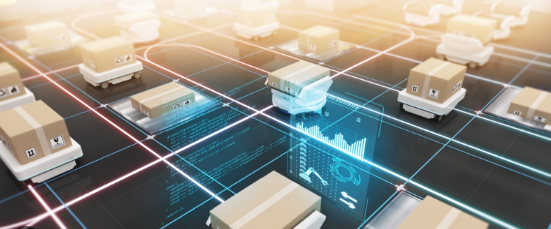
Mailrooms have undergone a quiet but powerful transformation. What was once a manual, back-office function is now becoming a technology-driven operation powered by automation, data, and intelligent systems.
As delivery volumes increase and expectations for speed rise, businesses are turning to AI-powered mailroom management systems to modernize how they handle incoming and outgoing packages.
From Manual Processes to Intelligent Workflows
Traditional mailrooms were built for a different era. They relied heavily on manual input, physical logs, and human coordination. While this worked when volumes were low, it created inefficiencies as organizations grew.
Common limitations of traditional mailrooms include:
- Slow and repetitive data entry
- High risk of human error
- Limited tracking capabilities
- Delayed communication with recipients
- Difficulty scaling with increased delivery volume
These challenges have paved the way for smarter, more efficient systems.
What Makes a Mailroom “Smart”
A smart mailroom is not just digital. It is intelligent, automated, and connected.
Modern systems use technologies like OCR and AI to transform how deliveries are processed. Instead of manually entering package details, staff can scan items and allow the system to extract key information instantly.
Core characteristics of smart mailrooms:
- Automated data capture using OCR
- Real-time notifications to recipients
- Centralized tracking and visibility
- Secure chain of custody documentation
- Integration with internal systems
These features work together to create a seamless and efficient workflow.
Key Differences Between Traditional and Smart Mailrooms
| Feature | Traditional Mailroom | Smart Mailroom |
| Data entry | Manual | Automated scanning |
| Processing speed | Slow | Near instant |
| Accuracy | Inconsistent | High precision |
| Tracking | Limited | Real-time visibility |
| Scalability | Limited | Easily scalable |
The shift is not just about speed. It is about creating a system that can handle growth without increasing complexity.
The Role of Automation and AI
Automation is at the heart of modern mailroom transformation. AI-powered tools remove repetitive tasks and improve consistency across operations.
With intelligent systems in place:
- Packages are logged in seconds instead of minutes
- Errors from manual entry are significantly reduced
- Staff can focus on higher-value tasks
- Delivery workflows become predictable and structured
This is especially important in high-volume environments where efficiency directly impacts productivity.
Parcel Management in Smart Mailrooms
As mailrooms evolve, they are also expanding into full parcel management hubs. This requires systems that can handle not just incoming deliveries but the entire package lifecycle.
That is why many organizations are adopting automated parcel management platforms to complement their mailroom operations.
These platforms enable:
- Tracking of inbound and outbound deliveries
- Real-time monitoring of package status
- Secure and documented handoffs
- Data insights for operational improvements
According to operational benchmarks, advanced systems can process large delivery volumes each week with high accuracy and consistency.
Benefits of Smart Mailroom Systems
The adoption of smart systems delivers measurable improvements across multiple areas.
Operational Efficiency
Automation reduces processing time and eliminates bottlenecks at intake.
Improved Accuracy
AI-driven data capture ensures consistent and reliable records.
Enhanced Visibility
Real-time tracking allows teams to monitor every package from arrival to delivery.
Better User Experience
Recipients receive instant notifications, reducing delays and confusion.
Scalability
Smart systems grow with the organization without requiring additional resources.
A Day Inside a Smart Mailroom
In a modern setup, the workflow is streamlined and efficient.
- A package arrives and is scanned immediately
- The system extracts and logs delivery details automatically
- The recipient is notified in real time
- The package is securely stored or routed
- The final handoff is recorded digitally
This process ensures that every delivery is handled quickly, accurately, and securely.
Challenges in Adopting Smart Systems
While the benefits are clear, some organizations hesitate to upgrade their mailroom operations.
Common concerns include:
- Initial implementation effort
- Staff adaptation to new systems
- Integration with existing tools
However, most modern solutions are designed to be user-friendly and require minimal training. The long-term gains in efficiency and reliability far outweigh the short-term adjustments.
The Future of Mailroom Technology
The evolution of smart mailrooms is far from over. As technology continues to advance, we can expect even more innovation in this space.
Emerging trends include:
- Predictive analytics for delivery patterns
- Integration with smart lockers and access systems
- Enhanced mobile interfaces for staff and recipients
- Deeper integration with workplace management platforms
These developments will further streamline operations and improve the overall experience.
Final Thoughts
The rise of smart systems is redefining what mailrooms can achieve. No longer limited to basic sorting and logging, modern mailrooms are becoming intelligent, scalable, and data-driven.
Organizations that embrace this transformation will benefit from faster workflows, improved accuracy, and better overall efficiency. Those who continue to rely on outdated processes may struggle to keep up with increasing demands.
Smart mailrooms are not just an upgrade. They are the new standard for handling deliveries in a fast-moving world.