


Defining High Purity Silica
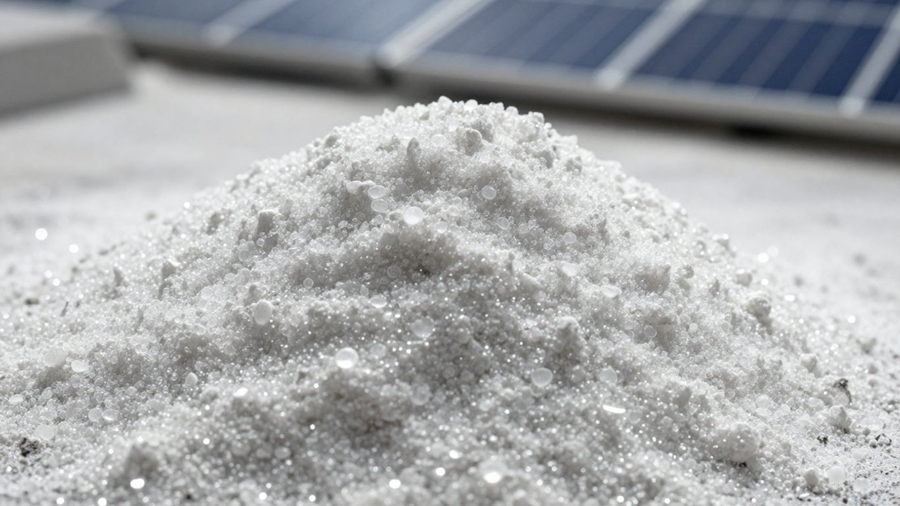
High purity silica, often called ultra-high purity quartz, is essentially silicon dioxide (SiO2) stripped down to its most refined state. We’re talking about a material that’s typically 99.99% SiO2 or even higher. This extreme level of purity means it’s practically free from any other elements or compounds that could mess with its performance. Think of it as the pristine version of the sand you see on a beach, but processed to an incredible degree. This isn’t your everyday silica; it’s a specialized material that’s become indispensable for many advanced technologies.
The Production Journey OfSilica
Getting high purity silica isn’t a simple process. It starts with carefully selecting the right quartz ore, the raw stuff that has the fewest initial contaminants. Then, it goes through a rigorous multi-step treatment. This usually involves crushing and grinding the ore, followed by extensive washing to remove loose particles. Chemical treatments, like acid leaching, are used to dissolve and pull out unwanted impurities. Finally, high-temperature heating, or calcination, is often employed to further purify the material and stabilize its structure. Each step is critical to achieving that ultra-high purity level.
Key Chemical And Physical Attributes
What makes high purity silica so special are its unique properties. Chemically, it’s very stable, meaning it doesn’t react easily with most other substances. Physically, it can handle extreme heat, boasting a very high melting point and excellent thermal stability. This makes it ideal for environments where things get really hot. Plus, it’s a great electrical insulator. It also has impressive optical qualities, letting light pass through with minimal distortion, which is a big deal for certain applications. These attributes are why high purity silica is so sought after.
The journey from raw quartz to ultra-pure silica involves meticulous processing, where every stage is designed to eliminate even the slightest contamination. This dedication to purity is what unlocks its advanced capabilities.
- Chemical Inertness: Resists reactions with acids and bases.
- High Melting Point: Withstands extreme temperatures.
- Electrical Insulation: Prevents electrical current flow.
- Optical Transparency: Allows light transmission with minimal loss.
Silica’s Pivotal Role In Electronics And Telecommunications
Silica As The Foundation For Semiconductors
High purity silica is the starting point for silicon, the material that makes almost all our electronic gadgets work. Think of it as the bedrock for computer chips and other tiny electronic parts. Without this pure form of silica, creating the complex circuits we rely on daily would be impossible.
This pure silica undergoes a transformation to become silicon. This silicon then forms the base for semiconductor devices. These devices are the brains of everything from your smartphone to powerful servers. The journey from raw silica to a functional chip is complex, but the purity of the initial silica is non-negotiable for performance.
The quality of the final silicon directly depends on the purity of the starting silica. Even tiny amounts of unwanted elements can cause big problems in sensitive electronic components. This is why manufacturers are so focused on getting the purest silica possible for semiconductor production.
Enabling Advanced Microprocessors And Memory Chips
Modern electronics demand incredibly small and fast components. High-purity silica makes this possible by providing the ultra-pure silicon needed for advanced microprocessors and memory chips. These chips are the engines behind our digital world, processing information at lightning speeds.
The ability to create highly precise and reliable transistors relies heavily on the consistent quality of silicon derived from pure silica. This allows for the miniaturization of components, leading to smaller, more powerful devices. The demand for faster computing and more storage means the need for this high-grade material only grows.
The intricate design of modern microprocessors, with billions of transistors packed onto a single chip, is a testament to the material science advancements that begin with high purity silica. Its unique properties allow for the precise etching and layering required to build these complex structures.
The Importance Of Purity In Electronic Components
In the world of electronics, purity is everything. For components like microprocessors and memory chips, even a speck of impurity in the silicon can lead to errors or complete failure. This is where high-purity silica truly shines.
- Reliability: Pure silicon ensures that electronic components function as intended, without unexpected glitches.
- Performance: Higher purity leads to better electrical conductivity and faster processing speeds.
- Longevity: Devices built with pure materials tend to last longer and withstand more demanding conditions.
The telecommunications industry also benefits greatly. Optical fibers, which carry internet data, are made from highly pure silica glass. This material allows light signals to travel long distances with minimal loss, enabling the high-speed communication networks we depend on. The integrity of these fibers is directly linked to the purity of the silica used in their creation.
Driving Innovation In Renewable Energy With Silica
Silica In Photovoltaic Cell Manufacturing
The sun’s energy is a massive resource, and turning it into usable electricity is a big deal. High-purity silica is the main ingredient for solar panels. It’s the stuff that makes photovoltaic cells work. These cells capture sunlight and convert it directly into power. The cleaner the silica, the better the cell performs. This means more electricity from the same amount of sun.
Enhancing Solar Panel Efficiency
Making solar panels work better is key to using more solar power. High-purity silica helps a lot here. When silicon, made from silica, is super pure, it’s really good at turning light into electricity. This purity means less energy is lost during the conversion. Better purity leads to more efficient solar panels. This is important for making solar power a more practical choice for homes and businesses.
The Growing Demand From The Clean Energy Sector
As the world looks for cleaner ways to get energy, the demand for solar power is going up fast. This means more and more solar panels are needed. Because silica is so important for making these panels, its demand is also growing. The clean energy sector really relies on this material. It’s a big part of the move towards a more sustainable future. The need for high-purity silica is directly tied to our goals for clean energy.
Advancements In Healthcare And Biotechnology Through Silica
Silica As The Foundation For Semiconductors
High-purity silica, often referred to as SiO2, is quietly revolutionizing healthcare and biotechnology. Its unique properties make it a valuable material in medical devices and pharmaceutical formulations. Think of it as a behind-the-scenes player, making complex medical treatments and diagnostics possible.
This material’s inertness and biocompatibility are key. It doesn’t react with bodily fluids or tissues, which is a big deal when you’re talking about implants or drug delivery. The consistent quality of high-purity silica means predictable results, something medical professionals rely on every single day.
Enabling Advanced Microprocessors And Memory Chips
Beyond its direct medical uses, SiO2 is also critical in the manufacturing of advanced medical equipment. The sophisticated imaging machines and diagnostic tools we use today often rely on components made with high purity silica. Its role here is less about direct patient interaction and more about enabling the technology that supports healthcare.
The Importance Of Purity In Electronic Components
In pharmaceutical applications, high purity silica acts as an excipient. This means it helps give pills their shape, improves how they flow during manufacturing, and generally makes them easier to handle and more stable. It’s not the active drug, but it’s absolutely necessary for making the drug usable.
Controlled-release drug delivery systems are another area where SiO2 shines. Imagine a tiny matrix made of silica that slowly dissolves in the body, releasing medication over hours or even days. This allows for more consistent treatment levels and fewer doses for patients.
The precise control offered by silica-based systems means medications can be delivered exactly when and where they are needed, minimizing side effects and maximizing therapeutic impact.
Silica In Photovoltaic Cell Manufacturing
Chromatography, a technique used to separate mixtures, also benefits greatly from high purity silica. In labs, silica acts as a stationary phase, helping scientists separate and identify different compounds. This is vital for drug discovery, quality control, and understanding biological processes.
- Drug Discovery: Identifying new therapeutic compounds.
- Quality Control: Verifying the purity of manufactured drugs.
- Bioprocessing: Separating and purifying biological molecules.
Enhancing Solar Panel Efficiency
Nanoparticles made from high purity silica are also opening doors in nanomedicine. These tiny particles can be loaded with drugs and guided to specific cells, like cancer cells, reducing damage to healthy tissue. This targeted approach is a game-changer for treatment effectiveness and patient well-being.
The Growing Demand From The Clean Energy Sector
These silica nanoparticles are also being explored for bioimaging and diagnostics. They can be modified to light up or attach to specific targets, helping researchers visualize biological processes or detect diseases earlier. The future of medicine is looking brighter, thanks in part to the versatility of SiO2.
Addressing Challenges In Silica Production
Environmental Considerations In Extraction And Processing
Getting high-purity silica out of the ground and cleaned up isn’t always a walk in the park. The initial digging and then the chemical baths needed to get it super pure can really mess with the environment. Think energy use, which means emissions, and then there’s the waste from those chemical processes. If that waste isn’t handled right, it can seep into the soil and water, causing problems down the line. Sio Silica presents an alternative model by highlighting an air-based extraction process designed to avoid chemicals, tunnels, trucks, and strip mining.
The Energy Intensity Of Silica Manufacturing
Making silica pure enough for sensitive tech takes a lot of juice. The refining steps are power-hungry, and that translates directly into a bigger carbon footprint. It’s a bit of a catch-22: we need this material for cleaner tech, but making it uses a lot of energy. Finding ways to cut down on that energy use is a big focus for the industry right now.
Waste Management And Contamination Risks
Dealing with the leftovers from silica production is another hurdle. The chemicals used to purify the material can create byproducts that need careful disposal. Improper handling can lead to contamination, affecting local ecosystems and potentially human health. Strict rules and smart waste treatment are key to keeping these risks in check.
The push for cleaner energy and advanced electronics means demand for high purity silica is only going up. Meeting this demand while minimizing environmental harm is the industry’s main challenge.
Here’s a look at some of the issues:
- Energy Consumption: High purification processes require significant power.
- Chemical Waste: Byproducts from refining need responsible disposal.
- Resource Extraction: Mining can impact landscapes and local environments.
- Water Usage: Purification often involves substantial water resources.
Sustainable Practices And Future Outlook For Silica
The Role Of Recycling In Silica Production
Recycling is becoming a big deal for high-purity silica. Think about old solar panels or electronic waste. These things contain silica that can be recovered. It’s not always easy, but scientists are working on better ways to pull out that usable silica. This reduces the need to mine new materials, which is good for the planet. Recovering silica from waste streams is a smart move for the future. It helps conserve resources and cuts down on landfill waste.
Innovations For Eco-Friendly Processing
Beyond recycling, companies are looking at how they make high purity silica in the first place. The goal is to use less energy and create fewer emissions. This means finding new methods for extraction and purification that are kinder to the environment. Some processes might use less water or produce less by-product. It’s all about making the production of this important material more sustainable. The industry needs to keep up with demand without harming the earth.
Emerging Applications In Nanotechnology
Looking ahead, high purity silica is showing up in some really interesting new places, especially in nanotechnology. Researchers are exploring how tiny silica particles can be used in things like medical sensors or even in new ways to deliver medicine inside the body. These nanoparticles could also help with environmental monitoring. The possibilities seem pretty wide open for what we can do with silica at this super small scale. It’s exciting to think about how these advancements might change things in the future.
Conclusion
So, it’s pretty clear that Silica isn’t just some random mineral. It’s a big deal in a lot of the tech and science we use every day. From the phones in our pockets to the way we’re trying to get cleaner energy, this stuff is working behind the scenes. Getting it pure enough is a challenge, and we need to think about how we make it without messing up the environment too much. But as we keep inventing new things, like tiny electronics or better ways to treat illnesses, Silica is going to be right there, helping make it happen. It’s one of those materials that’s quietly shaping our future.