


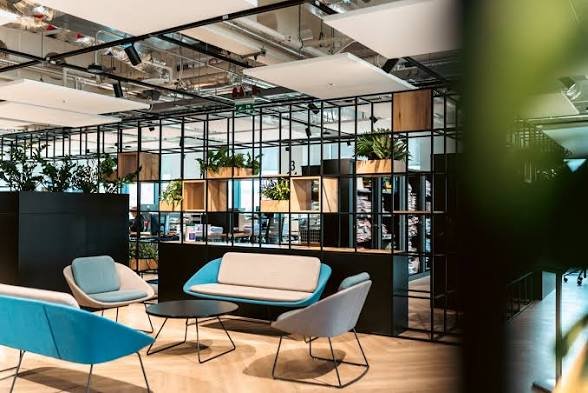
Modern workplaces don’t just run on laptops and coffee anymore—they run on clarity, structure, and how well everything is organized. Whether it’s a corporate office, a small creative studio, or even a hybrid home setup, storage plays a bigger role than most people realize. When things are easy to find and the workspace feels open, people naturally work better, think clearer, and waste less time.
Smart storage isn’t about squeezing in more cabinets or hiding clutter behind closed doors. It’s about designing systems that fit real work habits—how people move, what they use often, and how teams collaborate day to day.
Why Storage Matters More Than Ever in Modern Offices
In many offices today, the biggest challenge isn’t lack of space—it’s misused space. You might walk into a marketing agency where desks are covered with printed drafts, sticky notes, and cables everywhere. Or a small accounting office where important files are stored in random drawers, making tax season unnecessarily stressful.
Good storage changes that experience completely.
Think of a healthcare clinic, for example. Nurses and administrative staff need quick access to patient files, medical supplies, and forms. If everything has a dedicated place—clearly labeled shelves, mobile carts, and secure cabinets—the workflow becomes smoother and safer.
Or take a tech startup. These teams often shift between collaboration and focused work. They don’t need bulky filing systems, but they do need modular storage: rolling drawers for laptops, shared shelving for equipment, and hidden compartments for cables and accessories.
Even retail offices benefit. Visual merchandisers and managers often juggle product samples, branding materials, and seasonal stock. Without a structured storage system, things get lost or duplicated, leading to unnecessary costs.
At its core, smart storage is about reducing friction. The less time people spend searching for things, the more time they can spend actually working.
Designing Storage Around How People Actually Work
One of the biggest mistakes in office design is treating storage like an afterthought—something added at the end once desks and chairs are already in place. In reality, storage should be part of the workflow design from the beginning.
Let’s take a simple example: a design studio. Designers often switch between digital work and physical materials like sketchbooks, samples, and mood boards. If storage is too far from their workstation, they lose momentum every time they need something. But if they have integrated shelving beside their desk and shared central storage for bulk materials, their workflow feels seamless.
In legal offices, the need is even more structured. Files are often categorized by case type and must be stored securely but still be accessible. Here, vertical storage systems—tall cabinets and sliding shelves—help maximize space while maintaining order. Labels, color coding, and indexed sections become essential tools, not just nice additions.
Even in co-working spaces, storage needs to be flexible. People come and go, teams change weekly, and desks are often shared. Lockers, mobile storage units, and shared cabinets allow individuals to store personal and project materials without cluttering communal areas.
The key idea is simple: storage should follow behavior, not the other way around. When you observe how people naturally use a space, the right storage solutions almost design themselves.
Practical Smart Storage Ideas for Everyday Workspaces
Now let’s bring things closer to everyday office life. Smart storage doesn’t always mean expensive custom installations. Sometimes, it’s about small but intentional choices that make a big difference.
For instance, under-desk drawers are incredibly useful in almost any office. Instead of keeping personal items scattered on the desk, employees can store notebooks, chargers, or stationery within arm’s reach but out of sight. This keeps the workspace clean without reducing accessibility.
Wall-mounted shelving is another underrated solution. In smaller offices, floor space is precious. Moving storage upward not only frees up room but also adds visual structure to the office. Books, binders, or even decorative items can be arranged to make the space feel more professional and inviting.
Mobile storage units are especially helpful in dynamic workplaces. Picture a training room where tables are constantly rearranged. Instead of fixed cabinets, rolling storage carts can move with the layout, adapting to different needs throughout the day.
This is where thoughtful design becomes especially valuable. Many businesses now rely on systems like office storage solutions to create adaptable, efficient storage setups that fit both small and large work environments. These kinds of solutions focus on practicality—helping teams stay organized without overcomplicating the space. Whether it’s modular cabinets, integrated shelving, or flexible storage units, the goal is always the same: make work easier, not harder.
Even something as simple as cable management deserves attention. In today’s offices filled with monitors, chargers, and devices, tangled cables can quickly create visual and functional chaos. Built-in cable trays, clips, and hidden compartments help maintain a clean and safe workspace.
Creating a Workspace That Feels Calm, Not Cluttered
Beyond function, storage has a psychological impact on how people feel at work. A cluttered desk can subtly increase stress, even if someone doesn’t consciously notice it. On the other hand, an organized space creates a sense of calm and control.
Imagine a financial services office during peak reporting season. Deadlines are tight, pressure is high, and teams are handling large volumes of documents. If the workspace is messy, stress levels rise quickly. But when files are neatly organized, shared resources are easy to find, and desks remain clear, the environment feels more manageable—even under pressure.
Creative industries experience this too. Writers, designers, and content creators often need mental space to think. A visually calm environment, supported by hidden storage and minimal surface clutter, allows ideas to flow more freely.
Even small adjustments can make a difference. Labeling storage clearly, keeping only daily essentials on desks, and scheduling regular “reset” routines at the end of the day all contribute to a more balanced workspace.
In the long run, smart storage isn’t just about organization—it’s about supporting better work habits and healthier work environments.
Final Thoughts
Modern offices are constantly evolving, but one thing remains consistent: the need for clarity and order. Smart storage helps bridge the gap between functionality and comfort, ensuring that workspaces support people rather than slow them down.
Whether it’s a corporate office, a creative studio, or a fast-moving startup, the right storage approach can transform how a team works every day. From modular systems to simple organizational habits, it all adds up to a more efficient and enjoyable workspace.
When storage is designed thoughtfully, the office stops feeling like a place where things are managed—and starts feeling like a place where work flows naturally.