


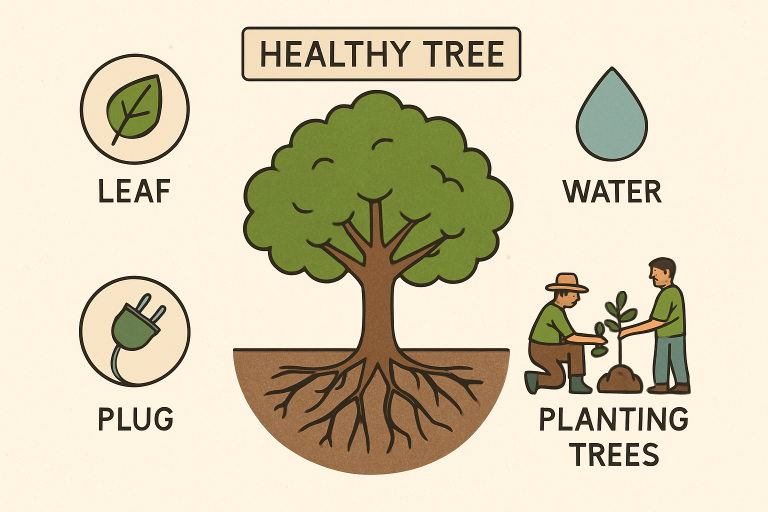
Key Takeaways
- Native and climate-resilient tree species are crucial for local urban forests.
- Innovative planting techniques improve root growth and tree longevity.
- Organic maintenance products and eco-friendly equipment support environmental health.
- Smart technology and community engagement enhance urban forest sustainability.
- Professional tree care services provide expertise in maintaining a resilient landscape.
Urban canopy management is an essential part of developing communities that thrive both environmentally and visually in Burlington and Southeastern Wisconsin. As threats from climate change and invasive species grow, cities and homeowners alike must adopt new approaches that prioritize sustainability. Central to these efforts is a focus on robust tree health, longevity, and ecosystem benefits.
For residents and property managers seeking expert guidance, tree removal services in Burlington and Southeastern, WI are available from Rausch Tree and Outdoor Services. This local authority delivers well-rounded expertise and environmentally responsible solutions, serving Burlington and the wider Southeastern Wisconsin region. Their team is well-versed in regional tree species, contemporary tree care practices, and safe, thorough removal techniques. Rausch Tree and Outdoor Services stands out for providing tailored recommendations and implementing sustainable tree management, ensuring the health and beauty of landscapes while protecting local ecosystems.
Embracing Native and Climate-Resilient Species
The first step toward sustainable tree care is selecting species that naturally belong or are adapted to evolving local conditions. Native trees, such as oaks, maples, and birches, have developed strong resistance to pests and require less intensive management. In response to shifting climate zones, arborists have also begun integrating adaptable species such as buckeye and black gum. This blend of native and climate-resilient trees helps build city canopies that are stable, diverse, and prepared for environmental stressors.
Implementing Advanced Planting Techniques
Urban environments present unique challenges for tree growth, including compacted soils and limited root space. To promote healthy root systems, cities have adopted advanced planting methods, such as the Stockholm method. This approach increases underground space via carefully structured soils, giving roots room to expand and resist drought. Results from communities that have used these techniques, such as Montpelier, Vermont, show enhanced growth rates and improved tree vitality. Adopting these solutions locally boosts survival rates, especially for trees along busy streets and public spaces.
Utilizing Organic Maintenance Products
The move away from synthetic chemicals toward organic alternatives for fertilization and pest control is gaining traction. Products derived from natural materials, such as composted manure or seaweed extract, restore soil health and encourage beneficial microbial activity. Insect and disease management now often relies on biological controls, such as beneficial nematodes and predatory insects, which keep harmful pests in check without endangering pollinators or contaminating water supplies. This trend safeguards both the environment and public health while supporting long-term tree vigor.
Adopting Eco-Friendly Equipment
Sustainability initiatives in tree care extend beyond planting and pruning to include the tools used. Electric chainsaws, battery-powered trimmers, and hybrid work vehicles are replacing their gas-powered counterparts. These upgrades dramatically reduce carbon emissions and are quieter, minimizing disruption in residential and park areas. Professional tree services adopting these technologies help set new standards for clean, green operations, making them a preferred choice for environmentally conscious clients.
Integrating Smart Technology
Smart technology further advances urban tree care with tools designed for precision and efficiency. Wi-Fi-enabled irrigation controllers, moisture sensors, and even app-managed LED lighting optimize water and energy consumption. By continuously monitoring conditions and automating maintenance responses, property owners and city planners gain new levels of control, ensuring trees get exactly what they need, when they need it.
Recent articles in The New York Times highlight how such innovations are transforming tree care nationwide, enabling healthier, longer-living urban forests. Integrating these advancements helps local landscapes thrive, reduces labor costs, and maximizes the benefits of sustainable care.
Community Engagement and Education
A sustainable urban canopy needs more than just technical know-how. It thrives when communities get involved. Local organizations and nonprofits are leading educational campaigns, workshops, and school programs to raise awareness about the value of trees and sustainable care. In Wisconsin, initiatives like creative play spaces crafted from invasive wood species not only repurpose materials but also help children and families develop an early appreciation for environmental stewardship. Volunteer tree planting programs and public events further connect residents to their landscapes and inspire broader participation in urban greening efforts.
Professional Tree Care Services
While DIY involvement is valuable, certain tasks require specialized knowledge and equipment. Skilled arborists offer a range of professional services, from hazard assessment and precise pruning to full tree removal and site restoration. By blending traditional expertise with cutting-edge practices, they help homeowners, HOAs, and local municipalities safeguard their investment in trees and enjoy healthier, more resilient landscapes year-round.
Final Thoughts
Sustainable tree care is a cornerstone of ensuring vibrant, safe, and enjoyable communities in Burlington and Southeastern Wisconsin. By combining native and climate-tough species, innovative planting, organic management, green equipment, smart technology, and active public education, cities and residents can secure lasting benefits. The collective effort and expert guidance of trusted providers make it possible to nurture urban forests that will thrive for generations to come.
Frequently Asked Questions
Why is planting native tree species important?
Native species naturally adjust to local soils, weather, and wildlife, often needing less water and fewer interventions. They are more resistant to regional pests and diseases and help support local biodiversity.
What are the benefits of using organic fertilizers?
Organic fertilizers improve soil structure, encourage beneficial organisms, and reduce chemical runoff. They create safer play, recreation, and living spaces for people and pets while promoting robust tree health.
How does smart technology enhance tree care?
Smart irrigation systems, weather sensors, and remote monitoring devices optimize resource use, ensuring trees stay healthy with less guesswork and waste. This leads to improved results and lower maintenance costs over the long term.
What role does community engagement play in sustainable tree care?
Active community involvement leads to greater awareness, shared responsibility, and higher rates of participation in planting and maintenance programs, resulting in healthier urban forests overall.