


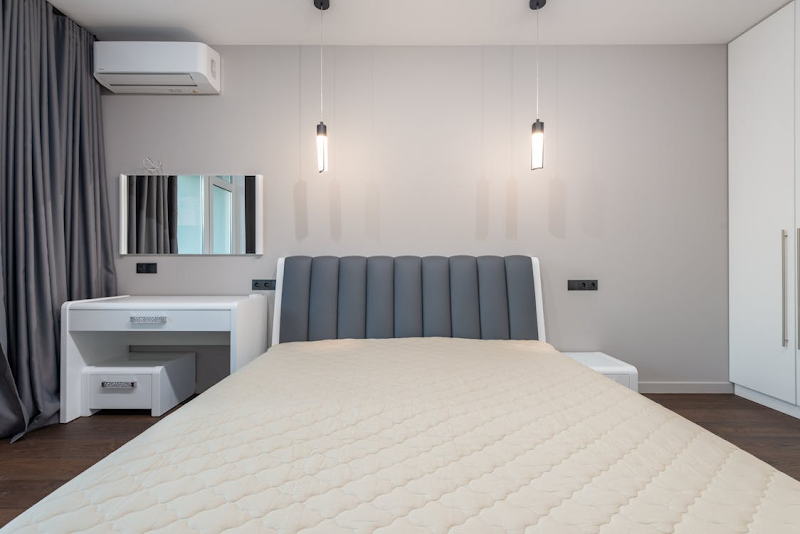
As we move further into 2026, American homeowners are increasingly rethinking their approach to home comfort. The era of bulky, inefficient, and one-size-fits-all central heating, ventilation, and air conditioning (HVAC) systems is gradually giving way to a more intelligent, flexible, and sustainable solution: the wall-mounted ductless HVAC system. Often referred to as mini-splits, these single-zone units are no longer a niche product but a cornerstone of the modern, energy-conscious household. Their growing importance is not just a trend but a direct response to the evolving economic and environmental demands of our time.
For decades, traditional central air systems were the standard, but their inherent inefficiencies are becoming too significant to ignore. The U.S. Department of Energy estimates that ducted systems can lose over 30% of their energy through leaks, holes, and poor connections in the ductwork. In an age of rising energy costs and environmental concerns, this level of waste is simply unsustainable. Wall-mounted systems bypass this issue entirely, delivering conditioned air directly into a room, marking a pivotal shift in how we manage home climates.
The Core Advantages Driving Adoption
The surge in popularity for wall-mounted HVAC units is rooted in a clear set of compelling benefits that directly address the shortcomings of their traditional counterparts. These advantages make them a superior choice for a wide range of American homes, from historic properties to new constructions.
Unparalleled Energy Efficiency
The primary driver for the adoption of ductless systems is their remarkable energy efficiency. By eliminating the energy loss associated with ductwork, these systems ensure that the heating or cooling generated is delivered directly to the living space. This results in significant energy savings, with homeowners reporting reductions of 30% to 60% on their utility bills. Modern units boast impressive Seasonal Energy Efficiency Ratio (SEER) ratings, often exceeding 20, with premium models reaching past 30—far surpassing the typical 13-16 SEER ratings of conventional systems. Furthermore, many models are ENERGY STAR certified, using up to 60% less energy than standard electric radiators.
Personalized Comfort Through Zone Control
Wall-mounted systems are fundamentally designed for zoned comfort. Each single-zone unit operates independently, allowing homeowners to set the perfect temperature for a specific room without affecting the rest of the house. This eliminates the common problem of hot and cold spots and stops the wasteful practice of heating or cooling unoccupied rooms. This level of control not only enhances personal comfort but also contributes significantly to overall energy savings.
Discreet Design and Quiet Operation
Beyond their performance, the aesthetic and auditory impact of wall-mounted units is a major selling point. These sleek, compact units mount high on a wall, freeing up floor space and preserving the home’s decor. Their operation is astonishingly quiet, with indoor units producing sound levels as low as 19-30 decibels—comparable to a whisper. This is a stark contrast to the disruptive noise of window units or the constant hum of a central system.
Key Trends for 2026 and Beyond
The importance of wall-mounted HVAC systems in 2026 is amplified by several converging market and regulatory trends:
- Favorable Government Incentives: The U.S. government continues to encourage the adoption of energy-efficient home solutions. Federal tax credits are available for homeowners who install ENERGY STAR certified mini-split systems, making the initial investment more accessible.
- Environmental Responsibility: As concerns over climate change grow, consumers are actively seeking ways to reduce their carbon footprint. Ductless systems, especially those that operate as heat pumps, transfer heat rather than burning fossil fuels, significantly lowering a home’s direct emissions. The industry’s shift towards eco-friendly refrigerants further enhances their green credentials.
- Technological Sophistication: The HVAC market is embracing smart technology. Modern wall-mounted units come equipped with features like advanced inverter technology for precise temperature maintenance, multi-stage air filtration for healthier indoor air, and seamless smart-home integration via smartphone apps.
A Smart Investment for Every Homeowner
In 2026, a wall-mounted HVAC system is more than just an appliance; it is an essential upgrade for the modern American home. It represents a smart investment in comfort, efficiency, and environmental responsibility. Whether for an apartment owner seeking a space-saving solution, a small-house owner aiming for affordable comfort, or a multi-level homeowner needing precise temperature control, the single-zone ductless system offers a versatile and powerful solution.
As energy standards tighten and consumer expectations for comfort and control rise, the importance of wall-mounted HVAC systems will only continue to grow, solidifying their place as the new standard for residential heating and cooling in the United States.