


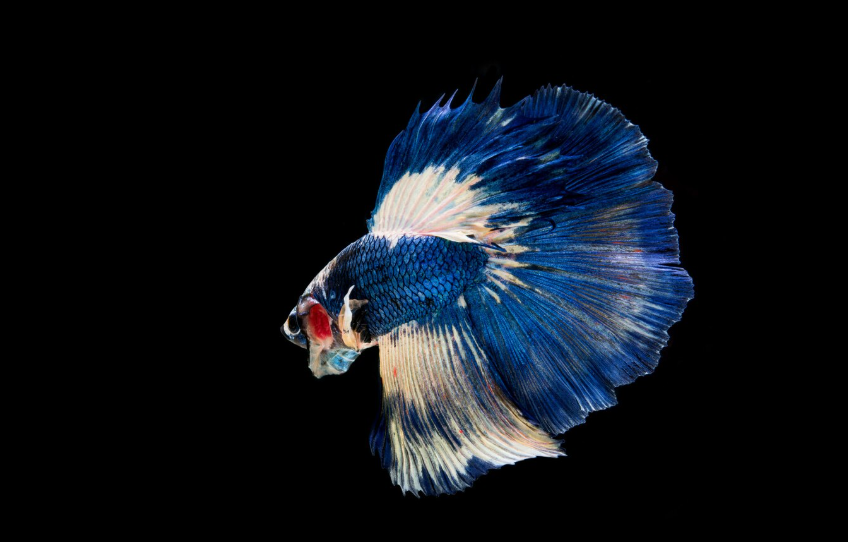
The intricate world of Betta splendens, commonly known as Siamese fighting fish, is replete with vivid colors and fascinating patterns that capture the imaginations of aquarists worldwide. Of specific intrigue is the alien blue Betta, a variety whose vibrant hues have become a focal point for hobbyists and researchers alike. These enthralling creatures not only enrich the ambience of aquariums but also provide invaluable insights into genetic pigmentation and behavioral adaptations.
The Unique Characteristics of Alien Blue Betta
The so-called “alien blue Betta” is a selectively bred color morph known in the aquarium trade for its striking metallic blue sheen and delicate fin structure. It displays a vibrant blue coloration that can appear especially vivid under proper aquarium lighting due to structural coloration rather than a naturally occurring biological subtype. Such aesthetic appeal makes the alien blue Betta highly sought after, as displayed in collections like the alien blue male Betta, demonstrating a remarkable degree of both morphological and chromatic allure.
Understanding Betta Coloration: Genetic Implications
Betta splendens owes its array of colors to a complex interplay of genetic factors. The alien blue variant is a prime example of how selective breeding can manipulate these genetic traits to achieve desired phenotypic outcomes. In bettas, color variation is largely influenced by the presence and distribution of pigment cells, known as chromatophores. The alien blue Betta’s captivating hue is predominantly due to iridophores, which reflect light, creating the fish’s characteristic sheen.
The interplay between dominant and recessive traits further complicates the genetic canvas. Breeders meticulously select for specific hues, resulting in the alien blue Betta’s signature appearance. This complexity underscores the biological intricacies involved in Betta breeding, making it both an art and a science.
Habit and Habitat
Originating from their natural habitat of slow-moving, oxygen-depleted waters, such as rice paddies and shallow ponds, Bettas have adapted remarkably well to aquarium life. Despite their native surroundings, they are robust enough to thrive in chemically stable environments with controlled temperature parameters. The alien blue Betta, like its counterparts, benefits from a habitat that mimics the tranquility and serenity of its natural home. Ensuring the aquarium is free from rapid currents or harsh lighting can help the fish appear more vibrant under certain lighting conditions due to structural coloration from iridophores, showcasing the full richness of its colors.
Feeding Habits and Dietary Needs
An essential yet often overlooked aspect of maintaining vibrant Betta colors is their diet. The alien blue Betta requires a well-balanced diet rich in protein to support its energy needs and overall health. In the wild, Bettas are insectivorous, primarily feeding on insect larvae and small invertebrates. In captivity, their diet can be supplemented with high-quality Betta pellets and the occasional frozen or live treat such as brine shrimp or bloodworms. Ensuring a diversified diet not only promotes the bright coloration typical of the alien blue Betta but also reinforces its immune system and longevity.
Betta Behavior: Interaction and Environment
Betta splendens are known for their fierce territoriality, a trait that has earned them the moniker of “fighting fish.” Nonetheless, with careful management, the alien blue Betta can coexist with certain tankmates. When planning a community aquarium, consider placid species that do not resemble Bettas to mitigate aggression. Proper tank partitioning and abundant hiding spots can further ease interactions by allowing privacy and reducing stress.
Breeding Considerations
Breeding alien blue bettas can be a gratifying, endeavour, albeit one that requires precision and patience. To maintain their distinctive colors, breeders must be vigilant in selecting mating pairs with desirable traits. A controlled environment with optimal conditions, including stable temperatures and clean water, is crucial for successful spawning. Once the breeding process begins, male Bettas often assume the role of caregiver, diligently creating a bubble nest for the eggs and tending to the fry post-hatching.
Conservation and Ethical Practices
With the increasing popularity of Betta splendens, and particularly the exotic varieties like the alien blue Betta, there comes a responsibility to ensure their ethical treatment and conservation. While many Betta enthusiasts embrace responsible breeding and selling practices, it is imperative to constantly promote and enforce ethical guidelines to prevent inbreeding and protect genetic biodiversity.

Conclusion
Exploring the vivid world of Betta splendens is akin to unlocking nature’s artistic palette. The alien blue Betta serves as a vibrant testament to the splendor and complexity of these aquatic marvels. In appreciating their aesthetic beauty, enthusiasts and breeders alike contribute to a larger understanding of genetic evolution and the importance of maintaining both biodiversity and ethical standards in ornamental fish keeping. With ongoing research and responsible aquarist practices, the alien blue Betta continues to captivate and inspire, holding a cherished place in aquariums and research alike.