


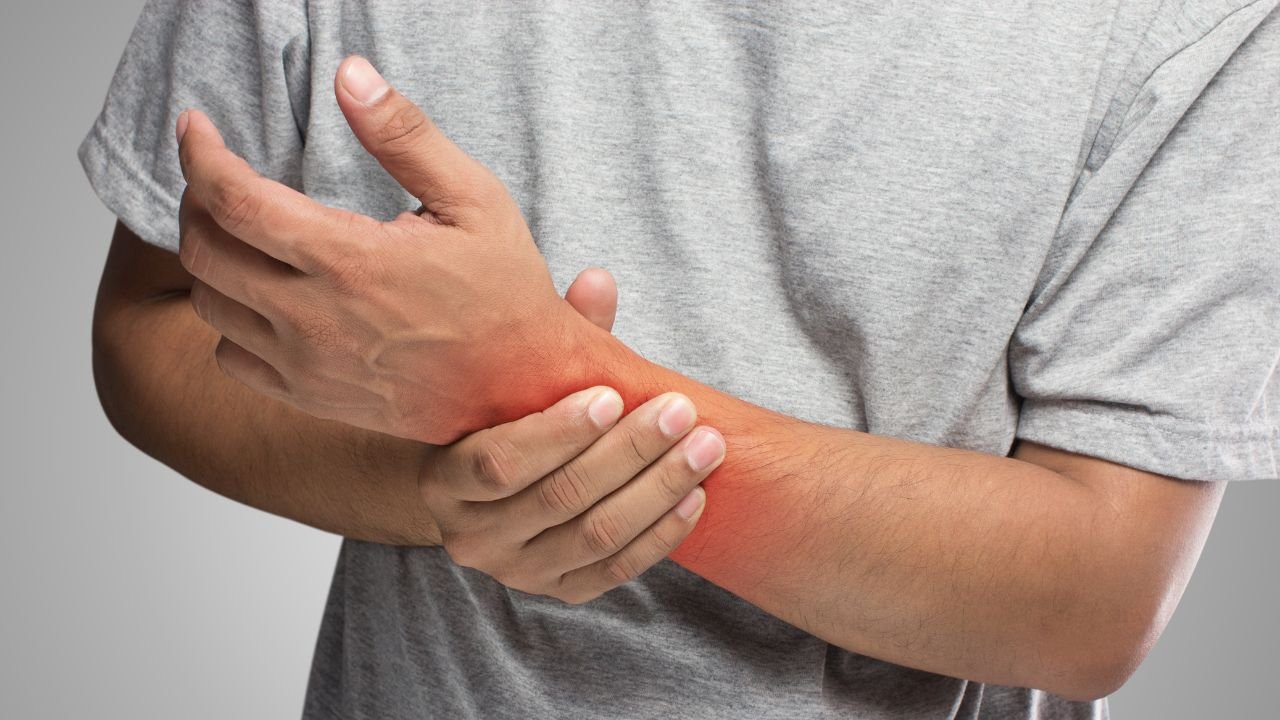
The instinct to brace against an impending impact by extending the hands against the steering wheel or dashboard is one of the most consistent human protective responses in car crash scenarios, and it is the primary mechanism of hand and wrist injuries in vehicle accidents.
The forces transmitted through the outstretched arm during impact can produce a specific cascade of injuries from the wrist through the hand that, when incompletely evaluated or treated, result in permanent functional limitation that the initial emergency evaluation failed to anticipate.
The FOOSH Injury Pattern and Its Specific Consequences
The fall-on-outstretched-hand mechanism, which in car crashes occurs when the driver or passenger braces against a fixed surface at the moment of impact, most commonly produces distal radius fractures at the wrist. The specific fracture pattern, displacement, and articular involvement determine whether conservative management or surgical fixation is required, and the quality of reduction directly affects the long-term functional outcome.
Beyond fracture, the same force mechanism can produce scaphoid fractures, which are notoriously difficult to identify on initial X-ray and can develop avascular necrosis if the blood supply to the proximal fragment is disrupted, and triangular fibrocartilage complex injuries that affect the stability of the distal radioulnar joint.
Carpal Tunnel Syndrome Following Wrist Trauma
Post-traumatic carpal tunnel syndrome, in which swelling and scarring from the injury compresses the median nerve in the carpal tunnel, produces the characteristic numbness, tingling, and weakness in the thumb and first three fingers that can develop days to weeks after the initial wrist injury.
When an insurance company argues that carpal tunnel syndrome is a pre-existing condition unrelated to the crash, the temporal relationship between the crash, the wrist injury, and the onset of carpal tunnel symptoms is the medical evidence that establishes causation.
Documenting the Full Functional Impact
Hand and wrist function is critical for virtually every occupation and daily activity, and injury-related limitation of grip strength, pinch strength, and fine motor control has specific vocational and daily living consequences that must be documented by occupational therapy assessment and treating surgeon opinion to support the full damages case.
The American Society for Surgery of the Hand’s patient resources describe the evaluation and treatment standards for hand and wrist injuries. An experienced hand and wrist pain attorney after a car accident ensures the complete injury picture is captured and documented.