


Key Takeaways
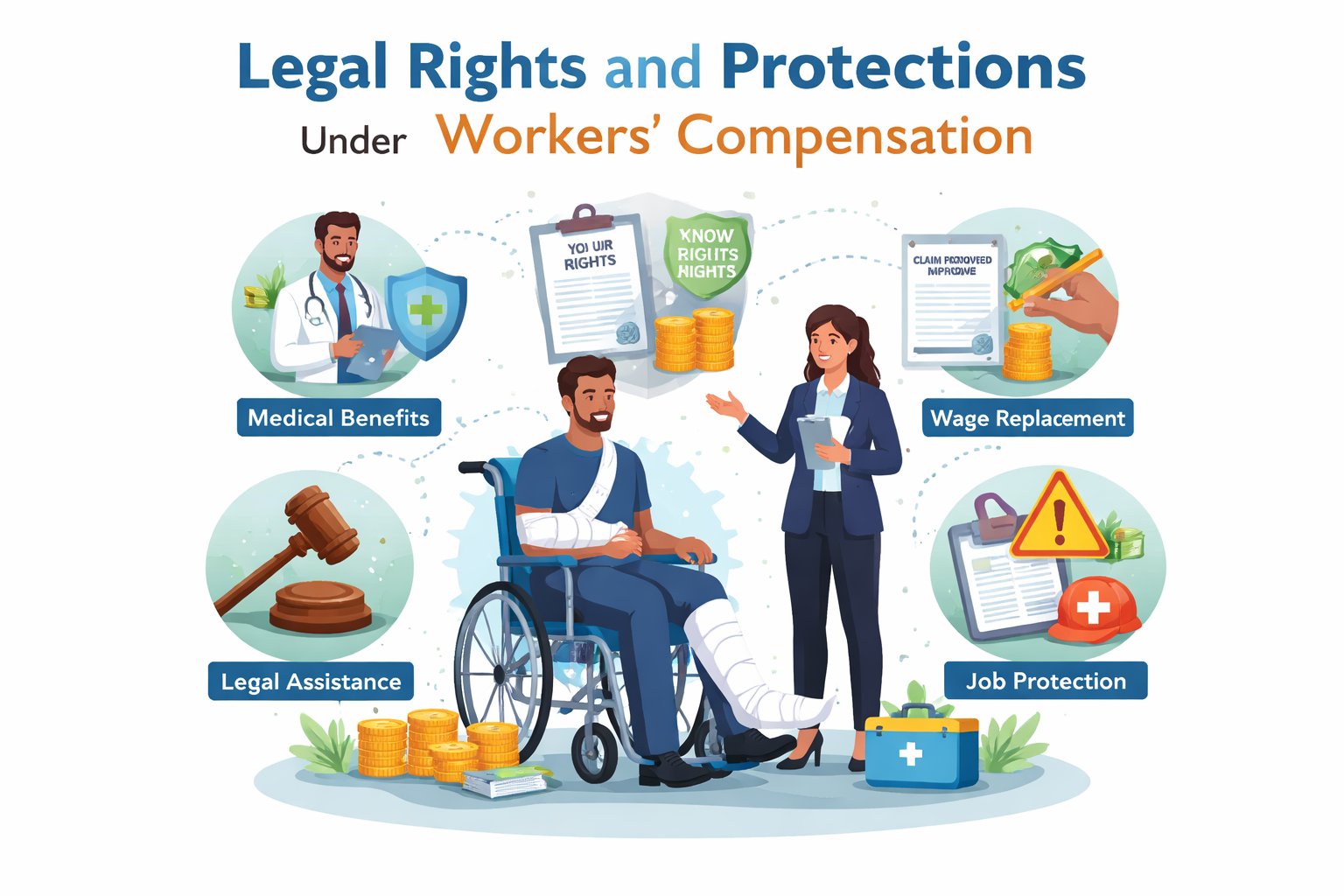
- Workers’ compensation provides crucial support by covering medical care, wage replacement, disability benefits, and vocational rehabilitation for work-related injuries or illnesses.
- Prompt reporting and documentation are essential to ensure eligibility and timely access to benefits.
- Employers have clear responsibilities: maintaining coverage, informing employees of rights, and reporting injuries quickly to comply with state regulations.
- Legal protections against retaliation safeguard employees who file claims from adverse actions, such as termination or harassment.
- Recent legislative changes in some states now recognize mental health injuries caused by workplace stress as compensable.
- Seeking professional legal guidance can help clarify rights and maximize access to benefits, especially when navigating complex claims.
- Staying informed about evolving laws and processes ensures both employees and employers can confidently manage workplace injuries and recovery.
Understanding Workers’ Compensation
Workers’ compensation serves as a vital safeguard for employees by providing wage replacement and medical benefits to those who suffer job-related injuries. Through workers’ compensation insurance coverage, injured employees receive the support needed for their recovery, while employers protect themselves from costly litigation. This insurance system aims to streamline recovery and resolution by ensuring all parties understand their rights and obligations.
At its core, workers’ compensation is designed to cover injuries and illnesses that arise directly from workplace activities. Not every accident or ailment qualifies for coverage, so clarity in reporting and documentation is crucial. With a no-fault system, even if the injury was partially the worker’s fault, they are typically still eligible for benefits. This approach encourages transparency, prompt reporting, and timely care for those affected.
Every state enacts its own rules, but the foundational principles of access to treatment and wage replacement are consistent nationwide. Recognizing what constitutes a work-related injury is a fundamental step in protecting your legal rights if you are ever hurt or become ill at work.
It is vital to be aware of the timeframes and documentation required when filing a claim. Prompt action not only speeds up benefit delivery but also guarantees protection under state-mandated programs.
Key Rights of Injured Workers
An employee hurt at work is entitled to several core benefits under workers’ compensation laws. These legal rights are meant to help workers recover and return to productive employment as quickly and safely as possible.
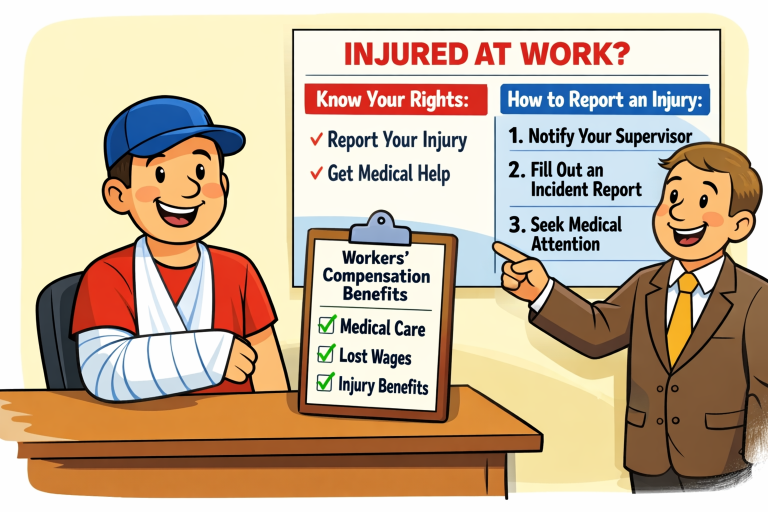
- Medical Treatment: Injured employees have the right to prompt and necessary medical care for any work-related injury or illness. The policies may also provide for ongoing rehabilitation, such as physical therapy or specialist visits.
- Wage Replacement: When an injury requires time off from work, workers’ compensation provides a portion of lost wages to help with financial stability during recovery.
- Disability Benefits: If an injury results in temporary or permanent disability, compensation for that loss is mandated, and the amount may depend on the nature and severity of the impairment.
- Vocational Rehabilitation: Employees whose injuries prevent them from returning to their previous job can access resources for job retraining or educational programs to assist in transitioning to new roles.
Additional state-specific benefits may be available, with some states offering compensation for mental health conditions caused by work-related events.
Employer Responsibilities
Employers are legally obligated to maintain a safe working environment and provide workers’ compensation coverage for their staff. This important requirement reduces risk and maintains productivity in the workplace.
- Providing Coverage: Employers must secure and maintain appropriate insurance policies in accordance with state regulations. Failure to do so can result in significant penalties and legal action.
- Informing Employees: Employers must display accessible notices outlining employees’ rights and the steps for reporting injuries. These notices are typically placed in common areas and must be updated to reflect any new legal requirements.
- Reporting Injuries: When an injury occurs, the employer must report it promptly to the relevant state agency or insurer. Swift reporting ensures the employee retains their rights and expedites benefit delivery.
Recent Legislative Changes
Workers’ compensation legislation is not static. Over time, lawmakers have expanded the definition of covered injuries, particularly in response to increased awareness of mental health and workplace stress. As a result, some states now recognize mental and emotional distress from highly stressful work situations as a compensable injury. For example, New York State has expanded its coverage to mental health injuries triggered by extraordinary work stress, making it easier for employees to access benefits without proving their level of distress exceeded normal workplace levels.
Protections Against Employer Retaliation
Federal and state laws strictly prohibit retaliation against employees who file workers’ compensation claims. Retaliation may take many forms, including termination, demotion, harassment, or other adverse employment actions. Employees who suspect retaliation should keep detailed records of all interactions and seek legal consultation if they feel their rights have been violated.
Filing a Workers’ Compensation Claim
Taking the proper steps after a workplace injury not only preserves your rights but also ensures timely care and compensation. To file a claim, workers should:
- Report the Injury: Notify your employer about the injury or illness as soon as it occurs. Timely reporting helps prevent disputes about the validity or cause of the injury.
- Seek Medical Attention: Get treatment from an approved provider and keep copies of all medical records, bills, and recommendations for time off.
- Complete Required Forms: Submit the official workers’ compensation claim forms to your employer and the state agency where required. Providing detailed, accurate information can help avoid delays or denials.
Seeking Legal Assistance
Navigating the specifics of a claim can be complex. Consulting with an attorney experienced in workers’ compensation can clarify your rights and obligations and help ensure that you receive the benefits to which you are entitled. In California and several other states, employers must inform you of your right to seek legal representation regarding workers’ compensation claims.
Final Thoughts
Understanding your legal rights and protections under workers’ compensation is essential for both employees and employers. Workers’ compensation laws are designed to provide a safety net during recovery from workplace injuries while ensuring fair treatment and access to necessary resources. Staying informed of evolving legislation, employer responsibilities, and the process for filing claims can ensure you receive the protection and benefits you deserve.