


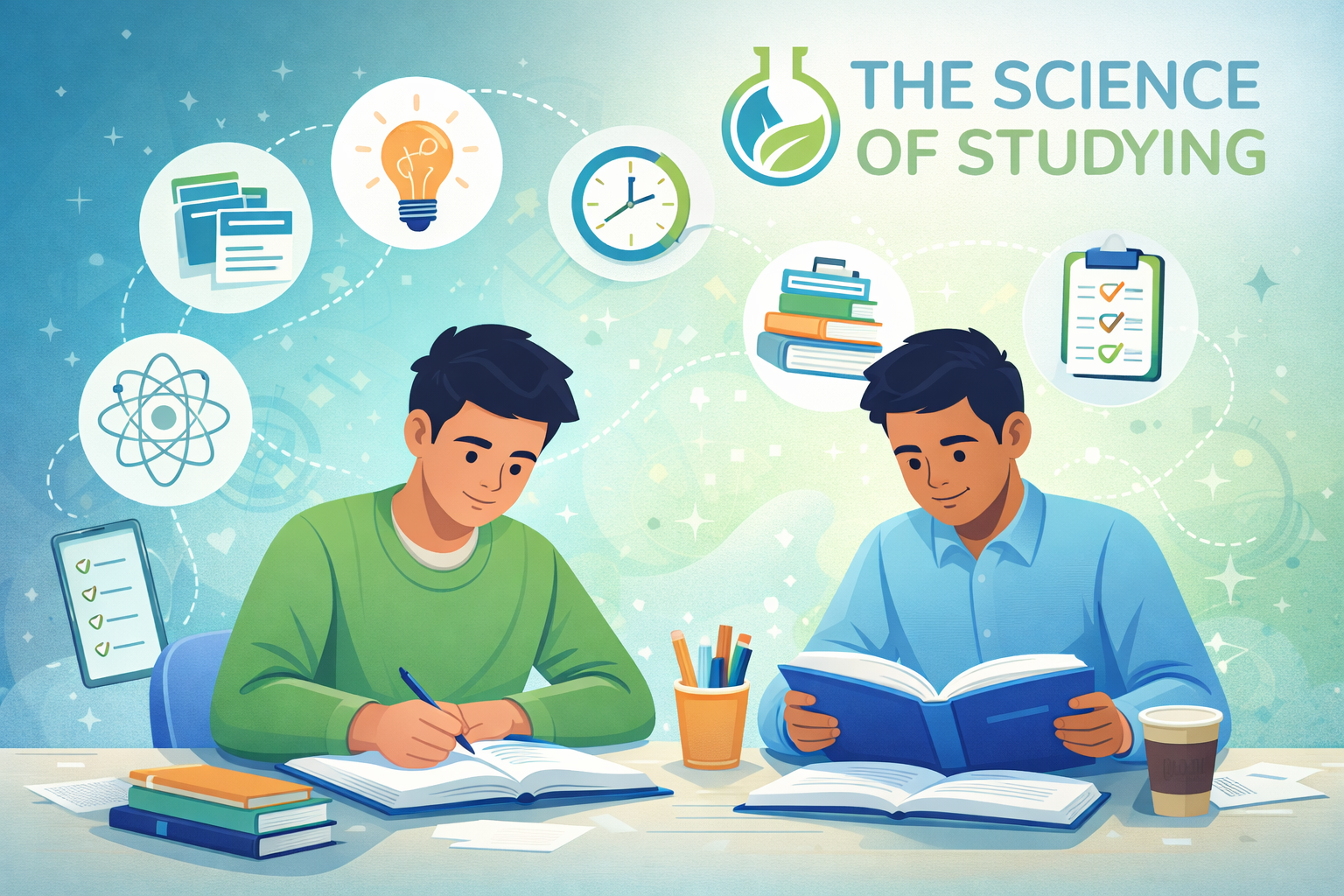
Most students are told to study harder, but very few are taught how to study better. That is where The Science of Studying Tuition Centre becomes valuable. It focuses on practical, research-based methods that help students understand how learning actually works. Instead of long hours of rereading notes, it promotes techniques that improve memory, focus, and academic performance in a structured and realistic way.
The idea behind The Science of Studying Tuition Centre is simple. When students understand how the brain absorbs and retains information, they can adjust their habits to match that process. Studying becomes more focused, less stressful, and far more effective.
Why Traditional Studying Often Fails
Many learners depend on highlighting textbooks, copying notes again and again, or reading chapters repeatedly. These methods feel productive, but they often create an illusion of learning rather than real understanding.
Here is the problem:
- Rereading improves familiarity, not mastery
- Highlighting can become passive
- Cramming overloads short term memory
- Multitasking reduces deep focus
The Science of Studying Tuition Centre encourages active learning instead of passive review. When students actively test themselves, space out revision sessions, and connect ideas together, retention improves significantly.
How the Brain Learns Best
To understand The Science of Studying Tuition Centre, it helps to look at a few core learning principles.
1. Active Recall
Active recall means testing yourself without looking at notes. Instead of reading a page again, close the book and write down what you remember. This forces the brain to retrieve information, which strengthens memory pathways.
Students who use active recall often notice that they remember content longer and need less last minute revision.
2. Spaced Repetition
Spacing study sessions over days or weeks works better than cramming everything in one night. The brain strengthens connections each time it revisits material after a break.
The Science of Studying Tuition Centre teaches students how to plan revision schedules that align with this principle. Small review sessions repeated consistently beat long exhausting study marathons.
3. Interleaving Topics
Studying one subject for hours can feel efficient, but mixing related topics actually improves understanding. For example, practicing different types of math problems in one session builds stronger problem solving skills.
Interleaving trains the brain to adapt and think critically instead of memorizing patterns.
Building a Study System That Works
The Science of Studying Tuition Centre is not just about theory. It helps students build practical systems they can use daily.
A strong study system includes:
- Clear weekly goals
- Dedicated distraction free study blocks
- Short review sessions built into the timetable
- Self testing after each topic
- Reflection on mistakes
When students follow a structured routine, studying feels less chaotic. They know what to study, when to study, and how to measure progress.
Reducing Study Stress
One reason students feel overwhelmed is uncertainty. They are unsure if their methods are working. They question whether they have studied enough. This doubt creates pressure.
The Science of Studying Tuition Centre reduces this stress by replacing guesswork with proven strategies. When learners see improvement in recall, test scores, and confidence, anxiety naturally decreases.
Better methods lead to better results, and better results build calm confidence.
Time Management That Supports Learning
Time management is not about filling every hour with tasks. It is about protecting focus.
The Science of Studying Tuition Centre encourages techniques such as:
- Studying in focused blocks of 25 to 50 minutes
- Taking short intentional breaks
- Avoiding phone distractions during sessions
- Planning tomorrow’s tasks before ending the day
These small habits compound over time. A student who studies with full focus for two hours often achieves more than someone who studies half heartedly for five.
Understanding Mistakes as Feedback
Many students avoid reviewing incorrect answers because it feels uncomfortable. However, mistakes reveal learning gaps.
The Science of Studying Tuition Centre promotes analyzing errors carefully:
- Why was the answer wrong
- Which concept was misunderstood
- How can the mistake be prevented next time
This reflective process transforms weak areas into strengths. Over time, students develop sharper awareness of their thinking patterns.
Staying Motivated Long Term
Motivation rises and falls. Discipline and systems keep progress steady.
The Science of Studying Tuition Centre helps learners focus on small wins. Completing a focused study block, mastering one concept, or improving quiz results builds momentum.
Instead of chasing perfect grades instantly, students track consistent improvement. That steady growth feels achievable and rewarding.
Study Smarter Not Longer
The central message behind The Science of Studying Tuition Centre is not about spending more hours at a desk. It is about using methods aligned with how the brain actually learns.
When students:
- Test themselves regularly
- Space out revision
- Mix topics strategically
- Reflect on errors
- Protect focused time
They start seeing measurable improvement.
Studying becomes intentional rather than repetitive. Progress becomes visible rather than uncertain. And the desk that once felt like a place of pressure begins to feel like a place of steady growth, where each focused session quietly builds stronger understanding for the next challenge waiting ahead.