


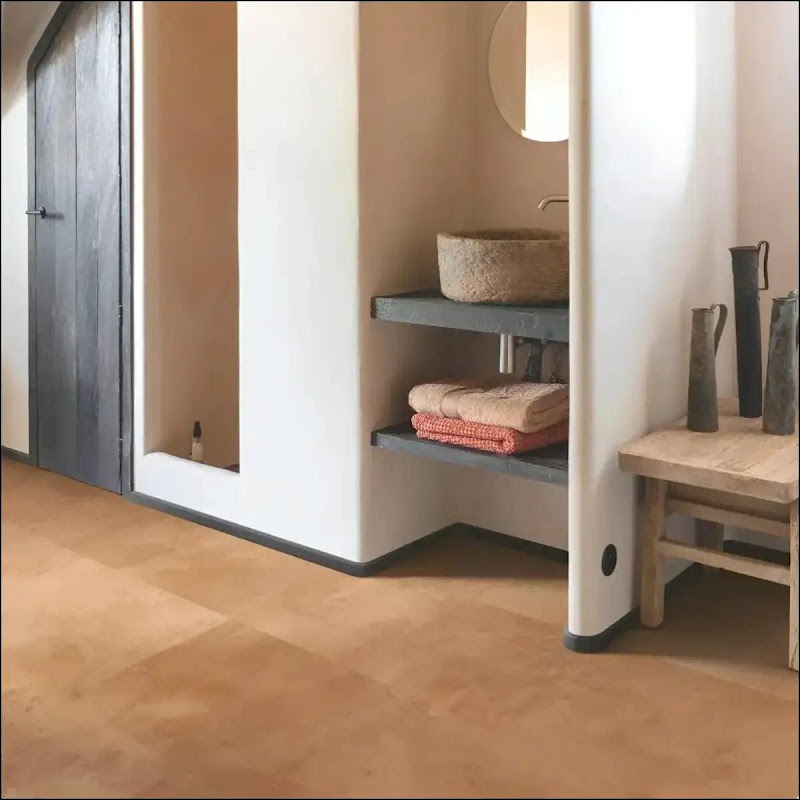
Choosing the right flooring for your home is a major decision. Each material offers its own strengths in terms of appearance, durability, cost, and long-term performance. Engineered wood, laminate, and luxury vinyl flooring (LVT) are three of the most popular choices for UK homeowners and for our customers at Floor Land, but they differ in ways that can significantly influence which one is best for your space.
This guide breaks down how each flooring type is made, how it performs, and where it works best, helping you make a confident, informed choice for your home.
Overview of Each Flooring Type
Engineered Wood
What it is:
A premium flooring option made from real timber, engineered for stability and long-term performance.
How it’s made:
Engineered wood consists of multiple layers of plywood or softwood arranged in a cross-ply structure, topped with a genuine hardwood veneer. This construction gives it the beauty of solid wood with improved resistance to movement and moisture.
Where it’s best used:
Living rooms, bedrooms, dining rooms, and any space where you want a warm, natural, high-end finish.
Laminate
What it is:
A durable, cost-effective flooring designed to mimic the look of wood or stone.
How it’s made:
Laminate is built from a high-density fibreboard core, a photographic design layer, and a tough protective coating that resists scratches, stains, and general wear.
Where it’s best used:
Hallways, living rooms, and busy family areas where durability and affordability are key.
Luxury Vinyl Flooring (LVT)
What it is:
A highly durable, water-resistant flooring made from layers of PVC and a protective wear layer.
How it’s made:
LVT is constructed from flexible vinyl layers topped with a realistic printed design and a transparent wear layer that protects against scratches, dents, and moisture.
Where it’s best used:
Kitchens, bathrooms, hallways, and any room where water resistance and long-term durability are essential.
Cost Comparison
Material Cost
Laminate is the most budget-friendly option, offering excellent style at a low price. LVT sits in the mid-range, providing exceptional durability and water resistance for the cost. Engineered wood is the premium choice, reflecting its natural beauty, craftsmanship, and long lifespan.
Installation Cost
Laminate and LVT are generally quicker and more cost-effective to install, especially with modern click-fit systems that suit DIY projects. Engineered wood may require more preparation and expertise, which can increase installation costs.
Maintenance Cost
Laminate and LVT require minimal ongoing maintenance — regular sweeping and occasional mopping are usually enough. Engineered wood may need refinishing over time depending on the thickness of its top layer, which can add to long-term maintenance costs but also extends its lifespan.
Durability & Lifespan
Scratch Resistance
Laminate and LVT both offer excellent scratch resistance, making them ideal for homes with pets, children, or heavy foot traffic. Engineered wood is more resistant than solid wood but can still show marks over time, especially in busy areas.
Water Resistance
LVT is fully water-resistant, making it the best choice for kitchens, bathrooms, and utility rooms. Laminate offers moderate water resistance, though water-resistant versions perform significantly better. Engineered wood can handle light moisture but is not suitable for areas with frequent spills or humidity.
Wear Layer Differences
Laminate relies on a tough protective coating, while LVT uses a transparent wear layer that varies in thickness depending on the product. Engineered wood’s wear layer is its real-wood top surface, which can be sanded and refinished depending on its thickness.
Expected Lifespan
Laminate typically lasts between ten and twenty years with proper care. LVT often lasts twenty to thirty years thanks to its durability and water resistance. Engineered wood can last twenty to forty years, and sometimes longer, depending on the thickness of the top layer and how well it’s maintained.
Appearance & Style Options
Texture
Engineered wood offers authentic natural texture because it’s made from real timber. Laminate and LVT use textured finishes to mimic wood grain, stone, or tile, with modern designs achieving impressive realism.
Colour Variety
Laminate and LVT provide a wide range of colours and patterns, from classic oaks to contemporary greys and herringbone designs. Engineered wood offers natural tones that vary with species, grade, and finish.
Realism
Engineered wood is unmatched in authenticity due to its real-wood surface. High-quality laminate and LVT, however, offer extremely realistic visuals at a lower cost, making them excellent alternatives for style-conscious homeowners.
Installation Differences
DIY Difficulty
Laminate and many LVT products use click-fit systems that are ideal for DIY installation. Engineered wood can also be fitted this way, but some types may require more skill or professional installation.
Subfloor Requirements
All three flooring types require a clean, level subfloor. LVT is more forgiving of minor imperfections, while laminate and engineered wood may need additional preparation.
Underlay Needs
Laminate and engineered wood typically require underlay for stability, sound reduction, and moisture protection. Some LVT products include built-in underlay, while others may need a separate layer depending on the installation method.
Environmental Impact
Sustainability
Engineered wood is the most sustainable option, as it uses real timber and can be sourced from responsibly managed forests. Laminate and LVT are synthetic but often produced using efficient, low-waste manufacturing processes.
VOCs
Modern flooring products are designed to meet strict VOC (volatile organic compound) standards. Engineered wood finished with low-VOC coatings is a strong choice for air quality. Many laminate and LVT products are also certified for low emissions.
Recyclability
Engineered wood is the most recyclable due to its natural materials. Laminate and LVT are more challenging to recycle, though some manufacturers use recycled content or offer take-back schemes.
Summary Table
When comparing all three flooring types side by side, laminate stands out as the most affordable and scratch-resistant option for high-traffic areas. LVT offers the best water resistance and long-term durability, making it ideal for kitchens, bathrooms, and hallways. Engineered wood provides the most premium appearance and the longest potential lifespan, especially in living rooms and bedrooms where moisture is low and style is a priority.
Article authored by Lee McCarthy.
Floor Land
Cockhedge Shopping Centre
Warrington
Cheshire
United Kingdom
WA1 2QQ