


Compressor stations are vital components in the transportation and processing of natural gas. However, they are also significant sources of emissions, primarily from the combustion of natural gas or venting during operations. Balancing emissions control, regulatory compliance, and operational efficiency is a complex challenge that midstream operators must navigate. In this blog post, we will explore best practices for managing compressor station emissions without compromising throughput or reliability, and discuss how modern gas-conditioning and natural gas liquids (NGL) recovery solutions can contribute to a sustainable and efficient strategy.
Understanding the Challenge: Emissions Control in Compressor Stations
Compressor stations play a key role in ensuring that natural gas flows efficiently through pipelines. However, the compression process can result in the release of pollutants such as carbon dioxide (CO2), methane (CH4), and volatile organic compounds (VOCs). These emissions can stem from a variety of sources, including exhaust from gas-driven compressors, venting, and leaks in the equipment.
Emissions from compressor stations are closely regulated by environmental agencies to mitigate their impact on the environment. Regulatory compliance is crucial for avoiding fines and maintaining a good reputation in the industry. At the same time, operators must maintain high throughput and reliability to ensure the continuous transportation of natural gas, which is a key economic activity.
Managing this delicate balance requires a comprehensive approach that integrates emissions control, operational efficiency, and sustainability. Fortunately, modern solutions like gas-conditioning systems and NGL recovery technologies offer operators ways to achieve both environmental and operational goals without compromising on performance.
Regulatory Compliance and Emissions Control Strategies
Operators must meet a range of environmental standards and regulations, including those set by the Environmental Protection Agency (EPA) in the United States, the European Union, and other regional governing bodies. These regulations are designed to limit the release of greenhouse gases (GHGs) and other harmful pollutants into the atmosphere, requiring operators to implement measures that reduce emissions from their compressor stations.
1. Leak Detection and Repair (LDAR) Programs
One of the most effective ways to control emissions at compressor stations is through a robust Leak Detection and Repair (LDAR) program. This involves regular inspections and monitoring for methane leaks and other fugitive emissions. Advanced technologies such as infrared cameras, ultrasonic sensors, and other leak detection tools can help operators identify and fix leaks in real time, significantly reducing methane emissions.
By implementing an LDAR program, compressor stations can stay in compliance with regulations and reduce their environmental impact. Regular maintenance and timely repairs also ensure that equipment operates at peak efficiency, minimizing downtime and enhancing reliability.
2. Optimizing Equipment Efficiency
Compressor stations use a variety of equipment to manage gas flow, including compressors, turbines, and engines. Optimizing the efficiency of these systems can help reduce emissions while maintaining throughput and reliability. Regular maintenance, such as cleaning filters, checking for wear, and calibrating instruments, ensures that compressors operate at peak performance with minimal emissions.
In addition, upgrading older equipment to more efficient, low-emission models can provide long-term benefits in terms of both emissions control and operational efficiency. Newer technologies often feature advanced combustion controls and improved fuel efficiency, which can help reduce harmful emissions without compromising performance.
Modern Gas-Conditioning Solutions for Emission Control and Efficiency
Gas conditioning is a critical part of maintaining compressor station efficiency and reducing emissions. Natural gas is often contaminated with impurities such as water, hydrogen sulfide, and carbon dioxide. These contaminants can cause equipment damage, reduce fuel efficiency, and increase emissions if not properly removed.
1. Drying and Filtration Technologies
Water and other contaminants in the natural gas stream can cause corrosion and hinder the efficiency of the compression process. By using advanced drying and filtration technologies, operators can ensure that the gas entering compressors is clean and dry. This not only improves compressor efficiency but also reduces the risk of emissions caused by the buildup of contaminants in the system.
Drying technologies such as molecular sieve dehydration and glycol dehydration are commonly used to remove water vapor from natural gas. Similarly, filtration systems can capture particulate matter, ensuring that the gas stream is free from debris that could lead to operational inefficiencies or increased emissions.
2. Natural Gas Liquids (NGL) Recovery Solutions
Natural gas liquids (NGLs) such as ethane, propane, butane, and natural gasoline are valuable by-products of natural gas processing. These liquids are often flared or vented in compressor stations, leading to the loss of potentially profitable resources and the release of harmful emissions. By implementing NGL recovery solutions, operators can capture these valuable liquids and sell them as separate products, thereby creating a new revenue stream and reducing the environmental impact of flaring.
NGL recovery also contributes to operational efficiency by ensuring that gas streams are processed to meet the required specifications for transportation or storage. This can help optimize the flow of gas through pipelines and reduce the need for venting or flaring during routine operations.
Cold Stream Energy is one such provider of advanced NGL recovery solutions. Their systems enable midstream operators to efficiently capture and separate NGLs from natural gas streams, helping operators maximize the value of their gas while minimizing emissions. Cold Stream Energy’s technology offers a sustainable and economically viable solution for managing compressor station emissions.
PSA Solutions: A Key Component of Emissions Control
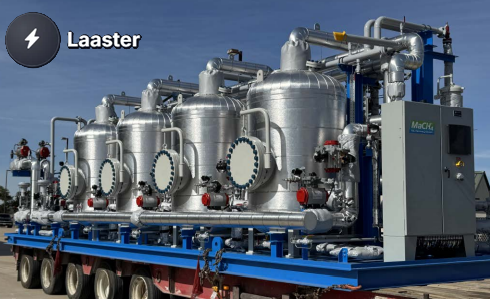
Pressure Swing Adsorption (PSA) is a widely used technology in gas conditioning and separation. PSA solutions are designed to remove impurities from natural gas streams, ensuring that the gas is clean and suitable for use in compressor stations and engines. This process involves passing gas through adsorbent materials that selectively remove specific contaminants, such as carbon dioxide and hydrogen sulfide.
1. Reducing Impurities for Cleaner Gas
PSA technology helps to reduce impurities in natural gas, which can cause emissions when burned in engines or turbines. By removing contaminants, PSA solutions help to lower the concentration of harmful gases in the exhaust stream, thereby reducing the overall emissions from compressor stations.
The use of PSA solutions also helps improve the efficiency of the gas compression process. Cleaner gas burns more efficiently, which reduces the need for excess fuel consumption and minimizes emissions during combustion. This leads to a more sustainable and cost-effective operation.
2. Enhanced Compliance with Regulatory Standards
PSA solutions are also valuable tools for ensuring compliance with environmental regulations. By removing contaminants from natural gas, PSA systems help operators meet the stringent emissions standards set by regulatory bodies. This reduces the risk of fines or penalties for non-compliance and enhances the environmental stewardship of the operator.
Best Practices for Maintaining Compressor Station Reliability While Reducing Emissions
Managing compressor station emissions without sacrificing throughput or reliability requires a combination of technological solutions, regular maintenance, and operational best practices. Below are key strategies for ensuring both emissions control and operational efficiency.
1. Regular Preventative Maintenance
One of the most effective ways to ensure reliable and efficient operations is through regular preventative maintenance. Scheduled inspections, calibration of equipment, and replacement of worn-out components can help maintain the performance of compressors and associated equipment. Well-maintained equipment operates more efficiently, which can reduce emissions and prevent unplanned downtime.
2. Investing in Technology Upgrades
Investing in advanced technologies, such as PSA solutions, NGL recovery systems, and low-emission compressors, can provide long-term benefits for both emissions control and reliability. These technologies help improve gas quality, reduce fuel consumption, and minimize emissions without compromising throughput.
3. Monitoring and Real-Time Data Collection
Implementing real-time monitoring systems allows operators to track emissions, fuel consumption, and other critical metrics. By collecting and analyzing data, operators can identify inefficiencies, detect leaks, and implement corrective actions before problems escalate. This proactive approach helps reduce emissions and optimize the performance of compressor stations.
Conclusion
Balancing emissions control, regulatory compliance, and operational efficiency at compressor stations requires a multifaceted approach that incorporates advanced technologies, regular maintenance, and best operational practices. By implementing gas-conditioning solutions, such as PSA systems and NGL recovery, operators can significantly reduce emissions, enhance throughput, and maximize revenue. Cold Stream Energy’s advanced NGL recovery solutions offer a sustainable and efficient way for midstream operators to meet environmental goals while improving operational performance. With the right strategies and technology, compressor stations can operate efficiently, comply with regulations, and contribute to a cleaner environment.